
Sunflower: 7 Growth Tips & Facts
Have you ever marveled at the tall, golden faces of sunflowers tracking the sun across the sky? Growing Sunflower in your own garden brings joy and beauty while attracting beneficial pollinators. These iconic flowers symbolize happiness and optimism, making them perfect additions to any garden space.
Table of Contents
Whether you’re an experienced gardener or a beginner with a sunny spot to spare, sunflowers reward you with minimal effort. Their rapid growth makes them ideal for gardening projects with children, and harvesting sunflower seeds provides healthy snacks and bird food, combining beauty with practicality in your garden.
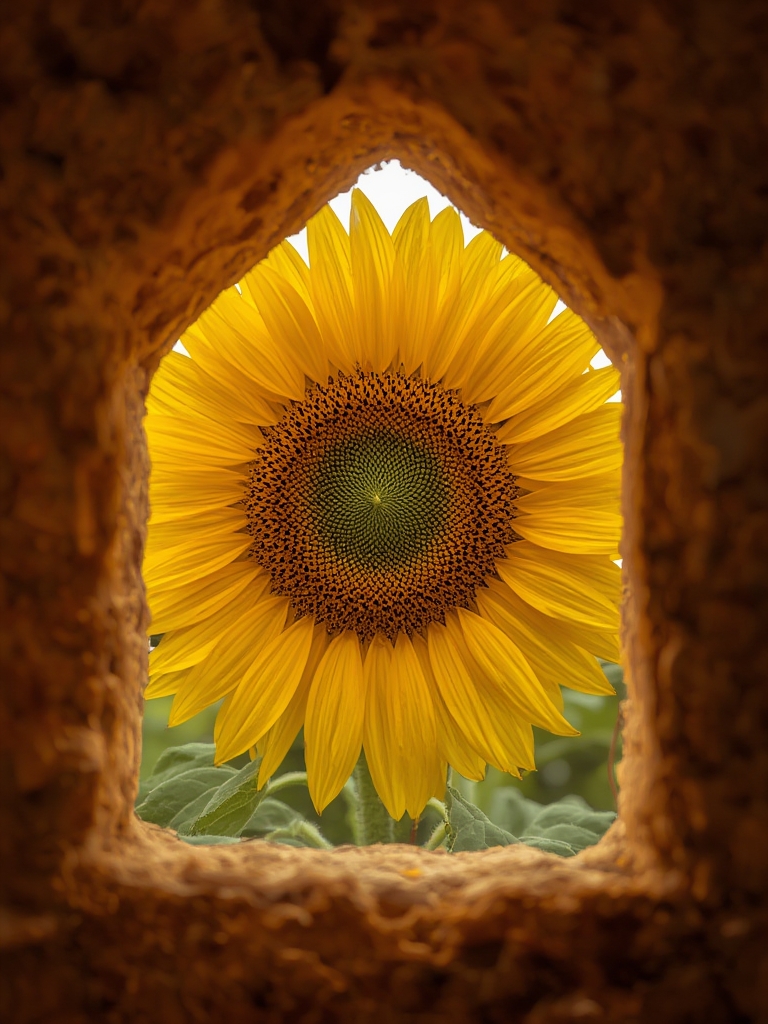
Materials & Supplies
- Sunflower seeds: Choose from giant varieties (8-12 feet tall), medium-sized (5-8 feet), or dwarf varieties (2-4 feet)
- Garden soil: Well-draining soil amended with compost
- Garden space: Area receiving 6-8 hours of direct sunlight daily
- Garden tools: Spade, garden fork, watering can or hose
- Support stakes: For taller varieties that may need stabilization
- Fertilizer: Balanced organic fertilizer (optional)
- Mulch: Straw, wood chips, or leaf mulch to retain moisture
- Bird netting: To protect seeds from birds if harvesting (optional)
- Pruning shears: For deadheading and harvesting
Timing / Growing Schedule
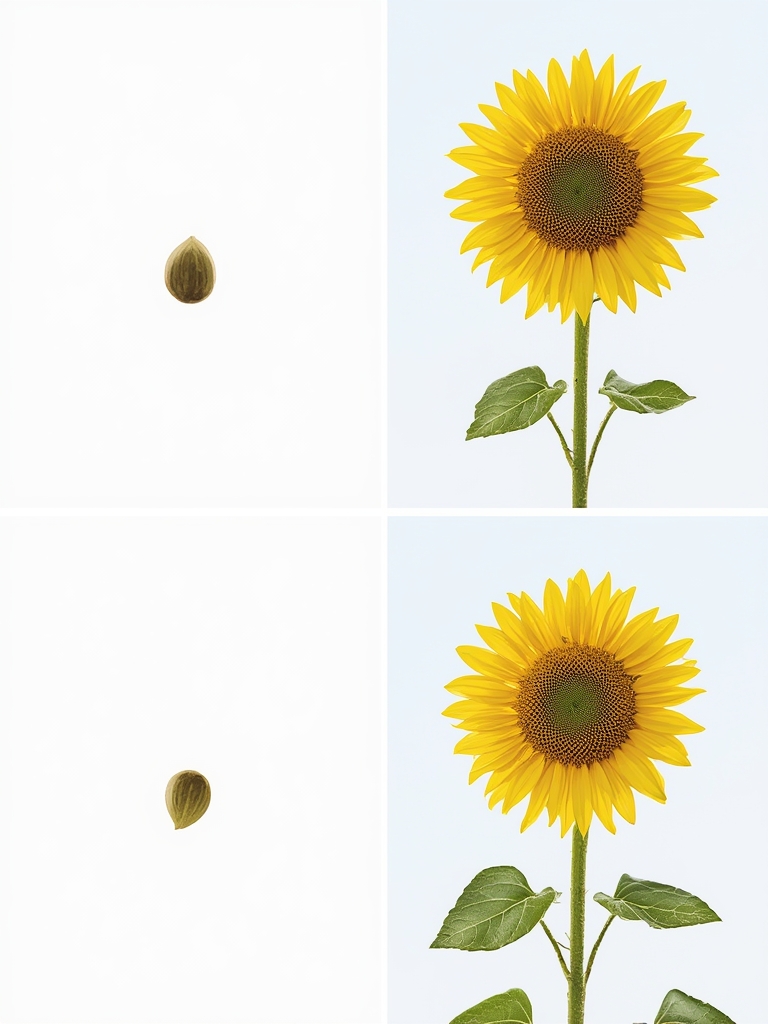
Sunflowers grow remarkably quickly, going from seed to flower in just 80-120 days depending on variety. Plant after the last frost in spring (typically April-June in most regions) for summer blooms. Stagger plantings 2-3 weeks apart for continuous blooming throughout summer. Mark your calendar for:
- Week 1-2: Germination (5-10 days)
- Week 3-8: Vegetative growth
- Week 9-12: Bud formation
- Week 12-16: Flowering
- Week 16-20: Seed development and maturation
Step-by-Step Instructions
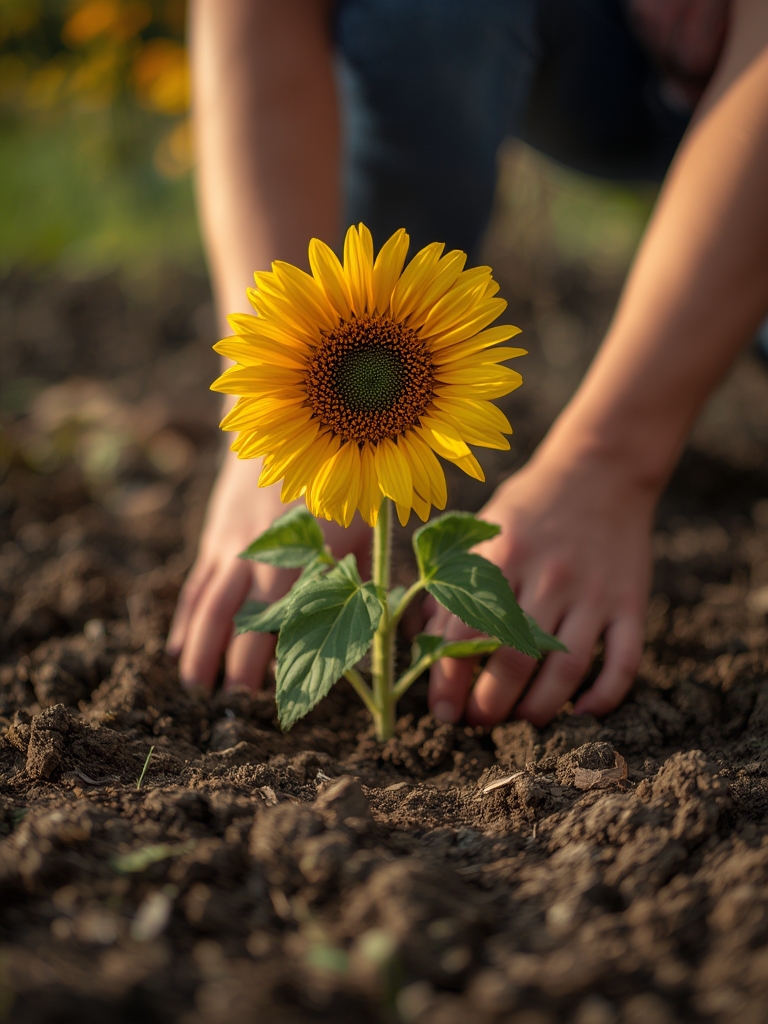
Select location: Choose a spot that receives 6-8 hours of direct sunlight daily with protection from strong winds.
Prepare soil: Loosen soil to a depth of 12 inches, removing rocks and weeds. Mix in 2-3 inches of compost if soil is poor.
Plant seeds: Sow sunflower seeds 1 inch deep and 6 inches apart. For giant varieties of Sunflower (Helianthus annuus), space rows 3 feet apart.
Water thoroughly: Keep soil consistently moist until germination, then water deeply once a week or when top inch of soil feels dry.
Thin seedlings: When plants reach 6 inches tall, thin to 12-18 inches apart for smaller varieties and 18-24 inches for larger types.
Support if necessary: Stake taller varieties when they reach 3 feet tall to prevent wind damage.
Benefits / Advantages
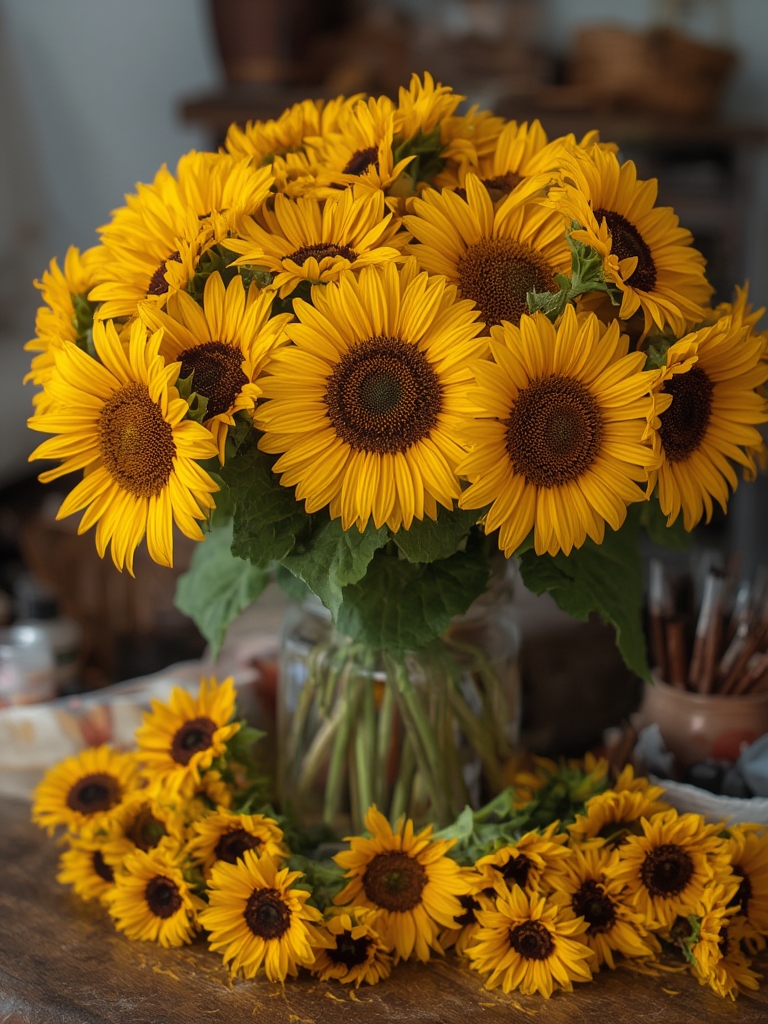
- Pollinator paradise: Attracts bees, butterflies, and beneficial insects
- Edible harvest: Seeds provide protein, healthy fats, vitamins E and B, and minerals
- Phytoremediation: Sunflowers can extract toxins from soil, helping clean contaminated areas
- Mood enhancement: Brightens gardens and improves mental wellbeing
- Low maintenance: Drought-tolerant once established
- Companion planting: Deters aphids when planted near cucumbers and corn
Tips, Alternative Methods, or Gardening Advice
For container growing, choose dwarf varieties and use 5-gallon buckets with drainage holes. Place containers where they’ll receive maximum sunlight. In northern climates, start seeds indoors 3-4 weeks before last frost. For continuous blooms, sow new seeds every 2-3 weeks until mid-summer.
Consider a sunflower house for children – plant seeds in a square or circle, leaving a gap for an entrance. The mature plants will form living walls for a magical play space.
Common Mistakes to Avoid
- Overcrowding: Leads to weak stems and small flowers – always thin seedlings properly
- Insufficient sunlight: Results in leggy plants with small blooms – ensure 6+ hours of direct sun
- Overwatering: Causes root rot – let soil dry slightly between waterings
- Planting too deep: Seeds may rot – plant exactly 1 inch deep
- Harvesting too early: Seeds won’t be fully formed – wait until backs of flower heads turn yellow to brown
Maintenance Tips
Water deeply but infrequently, allowing soil to dry slightly between waterings. No fertilizer is necessary in good soil, but a light application of balanced fertilizer can help in poor soils. Remove spent blooms to encourage more flowers in multi-headed varieties.
To harvest seeds, cut heads when back turns yellow-brown, leaving 12 inches of stem attached. Hang upside down in a dry, well-ventilated space with a cloth beneath to catch falling seeds. Store dried seeds in airtight containers.
Conclusion
Growing Sunflower (Helianthus annuus) brings multiple rewards: spectacular blooms, wildlife habitat, and nutritious sunflower seeds for your table. Their ease of cultivation makes them perfect for gardeners of all skill levels, while their rapid growth provides quick satisfaction and beauty. Start with just a few seeds this season, and you might find yourself planning an entire sunflower meadow next year! Share your sunflower success stories in the comments below or explore our related posts on companion planting for more garden inspiration.
FAQs
How tall do sunflowers really get?
While giant varieties can reach 12-14 feet, most common varieties grow 6-10 feet tall. Dwarf varieties stay manageable at 1-4 feet, perfect for containers or borders.
Can sunflowers grow in partial shade?
Sunflowers can tolerate partial shade but perform best with 6-8 hours of direct sunlight. In partial shade, plants may grow taller but produce smaller flowers.
How do I protect sunflower seeds from birds?
Cover flower heads with mesh bags, old pantyhose, or small paper bags once petals begin to wilt but before seeds fully ripen. Harvest promptly once seed heads mature.
Can I grow sunflowers in containers?
Yes! Choose dwarf varieties like ‘Teddy Bear’ or ‘Sunspot’ and use containers at least 12-18 inches deep with excellent drainage. Ensure containers receive full sun and water more frequently than in-ground plants.