
Growing Cabbage 5 best Easy Steps
Ever wondered if you could grow your own crisp, nutritious cabbage right in your backyard? Growing Cabbage at home is not only rewarding but also ensures you have access to fresh, organic produce year-round. This cool-season crop is packed with vitamins, minerals, and fiber, making it a valuable addition to your homegrown vegetable collection.
Table of Contents
Starting your cabbage journey requires understanding a few basics, from seed selection to dealing with common Cabbage pests that might try to enjoy your harvest before you do. With the right approach, even beginners can successfully cultivate this versatile vegetable that’s perfect for salads, stir-fries, and fermented dishes like sauerkraut.
Materials & Supplies
To get started with your cabbage garden, gather these essential items:
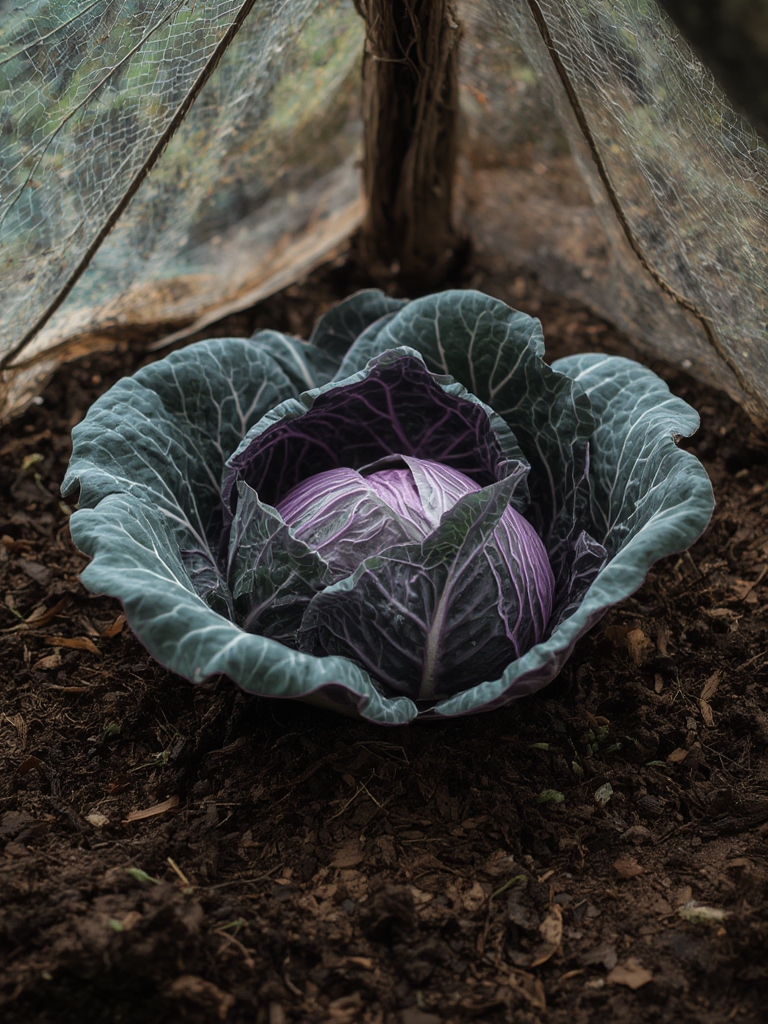
- Cabbage seeds or seedlings: Choose varieties suited to your climate (Early Jersey Wakefield, Savoy, or Red cabbage)
- Garden soil or potting mix: Ensure it’s well-draining with organic matter
- Garden space or containers: Minimum 12-inch deep containers if not planting in-ground
- Compost or aged manure: For soil enrichment
- NPK fertilizer: Balanced formula like 10-10-10
- Garden tools: Trowel, spade, garden fork, and watering can
- Row covers or garden fabric: To protect young plants from pests
- Mulch: Straw, leaves, or wood chips for moisture retention
- pH testing kit: Cabbage prefers slightly acidic soil (6.0-6.8)
- Garden netting: Optional protection from birds and larger pests
Timing / Growing Schedule
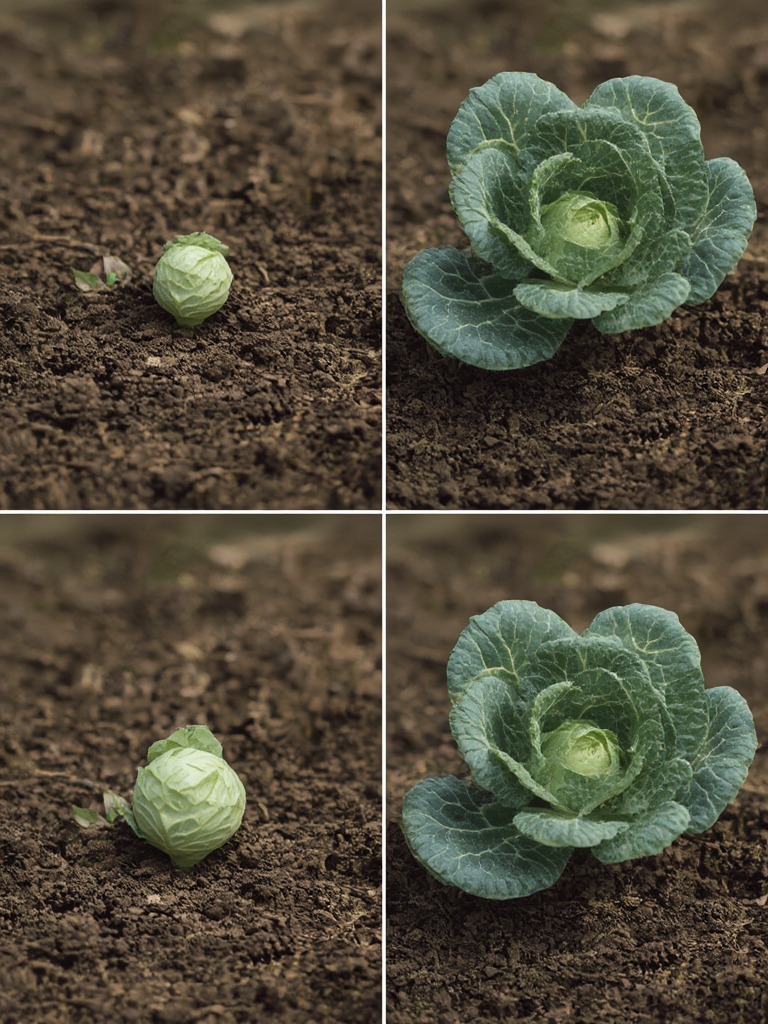
Cabbage is primarily a cool-season crop with specific timing requirements:
Spring Crop:
- Start seeds indoors 6-8 weeks before last frost date
- Transplant seedlings outdoors 2-3 weeks before last frost
- Harvest approximately 70-120 days after transplanting
Fall Crop:
- Direct sow or start seedlings 12-14 weeks before first fall frost
- Plant in mid-summer for fall harvest
- Fall cabbage often tastes sweeter due to light frost exposure
Total growing time varies by variety, with early varieties ready in 70 days and late-season types taking up to 120 days to mature.
Step-by-Step Instructions
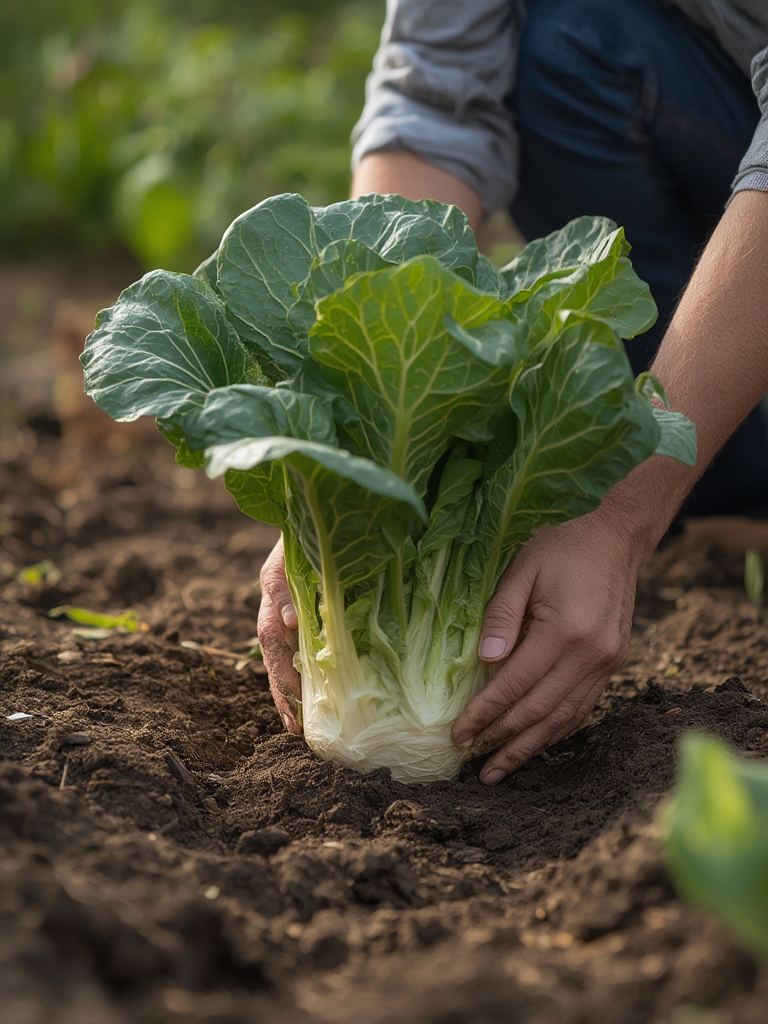
Prepare your soil: Incorporate 2-3 inches of compost into the top 6 inches of soil. Cabbage is a heavy feeder and thrives in nutrient-rich ground.
Start seeds: Plant seeds ¼ inch deep in seed trays or small pots. Keep soil consistently moist at 70-75°F until germination.
Harden off seedlings: Once seedlings have 4-5 true leaves, gradually acclimate them to outdoor conditions over 7-10 days.
Transplant carefully: Space plants 12-24 inches apart, depending on variety. Plant slightly deeper than they were in containers.
Water consistently: Provide 1-1.5 inches of water weekly. Inconsistent watering leads to split heads.
Apply mulch: Add 2-3 inches of organic mulch to retain moisture and suppress weeds.
Monitor for Cabbage pests: Check regularly for cabbage worms, aphids, and cabbage loopers. Use row covers for prevention.
Fertilize appropriately: Side-dress with balanced fertilizer when plants are half-grown.
Harvest at peak: Cut heads when firm and reached expected size for the variety. Growing Cabbage requires patience – don’t rush harvest.
Benefits / Advantages
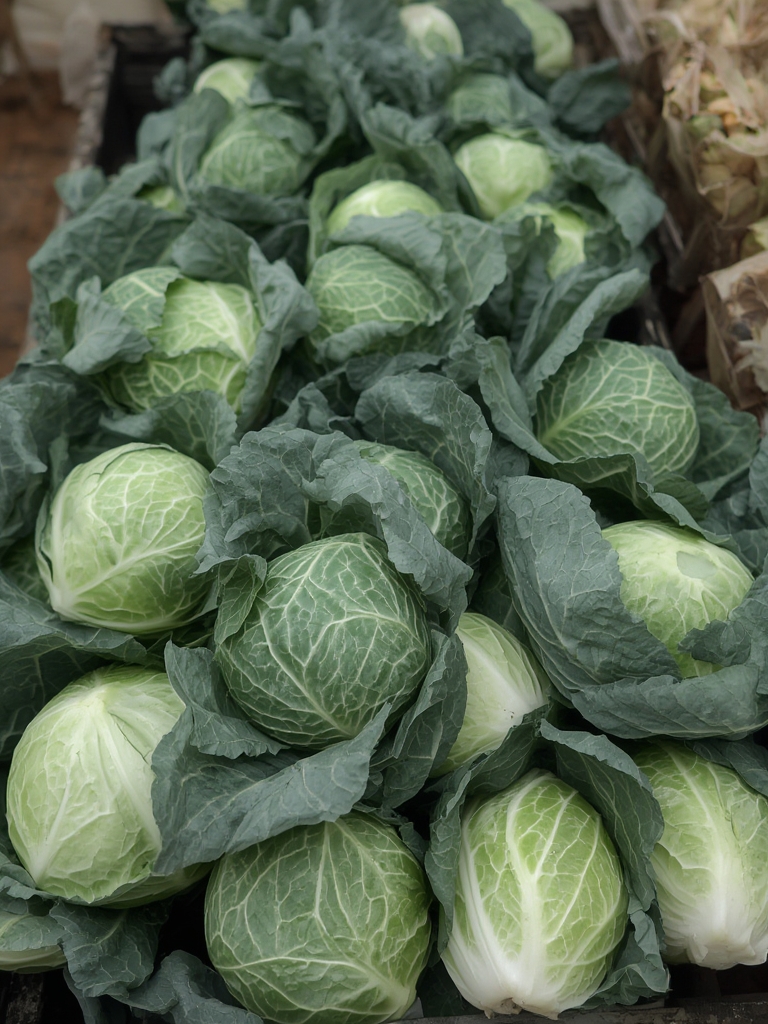
- Nutritional powerhouse: Rich in vitamins C, K, and B6, plus fiber and antioxidants
- Cost-effective: One packet of seeds produces multiple heads at a fraction of store prices
- Extended harvest: Different varieties can provide harvests across multiple seasons
- Versatility in cooking: From raw in slaws to fermented as sauerkraut to cooked in soups
- Companion planting benefits: Cabbage works well alongside herbs like thyme and dill that repel common pests
- Soil improvement: Deep roots help break up soil when crop rotation is practiced
Tips, Alternative Methods, or Gardening Advice
- Container growing: Choose compact varieties like “Primo” or “Gonzales” for small spaces
- Succession planting: Stagger plantings 2-3 weeks apart for continuous harvest
- Interplanting: Grow radishes or lettuce between cabbage plants to maximize space
- Raised beds advantage: Provides better drainage and warms soil earlier in spring
- Shade cloth use: In warmer regions, provide afternoon shade to prevent bolting
- Companion planting: Grow with aromatic herbs like mint, rosemary or thyme to deter pests naturally
Common Mistakes to Avoid
- Planting too late: Cabbage bolts in hot weather. Start early enough for harvest before summer heat.
- Overcrowding: Insufficient spacing leads to small heads and disease issues. Maintain proper spacing.
- Inconsistent watering: Causes splitting heads. Keep soil consistently moist.
- Neglecting pH: Cabbage struggles in highly acidic soil. Test and amend accordingly.
- Ignoring crop rotation: Planting in the same spot yearly increases disease risk. Rotate brassica crops.
- Overlooking pests early: Check leaf undersides regularly for eggs and early pest signs.
Maintenance Tips
- Regular harvesting: Cut mature heads at the base with a sharp knife
- Storage options: Fresh cabbage keeps 1-2 weeks in refrigerator drawers or several months in root cellars at 32-40°F with high humidity
- Handling cabbage worms: Hand-pick or treat with Bt (Bacillus thuringiensis) for severe infestations
- Preventing clubroot: Maintain soil pH above 6.5 and practice strict crop rotation
- Splitting prevention: Ensure consistent moisture, especially as heads mature
- Bolting management: Provide shade during unexpected warm spells in spring
Conclusion
Growing Cabbage at home connects you with the timeless tradition of vegetable gardening while providing nutritious food for your table. The satisfaction of harvesting your first perfectly formed head makes all the effort worthwhile. With proper timing, consistent care, and vigilance against Cabbage pests, you’ll enjoy abundant harvests of this versatile vegetable. Try growing different varieties to discover your favorites, and don’t forget to share your cabbage success stories with fellow gardeners!
FAQs
How do I prevent cabbage heads from splitting?
Maintain consistent soil moisture, especially as heads mature. If splitting starts to occur, twist the plant slightly to break some roots and slow growth.
Can I grow cabbage indoors?
While full-sized cabbage needs more space than typical indoor gardens provide, microgreens and baby cabbage can be grown successfully indoors under grow lights.
Why are my cabbage seedlings tall and leggy?
Leggy seedlings indicate insufficient light. Provide 14-16 hours of direct light daily and keep indoor temperatures between 60-70°F.
How do I store excess cabbage from my garden?
Besides refrigeration, consider making sauerkraut, kimchi, or freezing blanched cabbage for soups and stews. You can also dehydrate cabbage leaves for later use.
Is it necessary to cover young cabbage plants?
Row covers are highly recommended to protect young plants from cabbage butterflies, which lay eggs that hatch into destructive cabbage worms.