
Growing Broccoli: Best 7 Expert Tips
Ever wondered if you could enjoy fresh, nutrient-packed broccoli right from your backyard? Growing Broccoli at home is not only rewarding but also incredibly beneficial for your health and wallet. This cool-season crop thrives in moderate temperatures and provides multiple harvests when properly maintained.
Table of Contents
Whether you’re a gardening novice or seasoned green thumb, broccoli is surprisingly accessible to grow. With proper timing and care, you’ll soon master Harvesting Broccoli from your own garden and enjoying its farm-fresh flavor that simply can’t be matched by store-bought varieties.
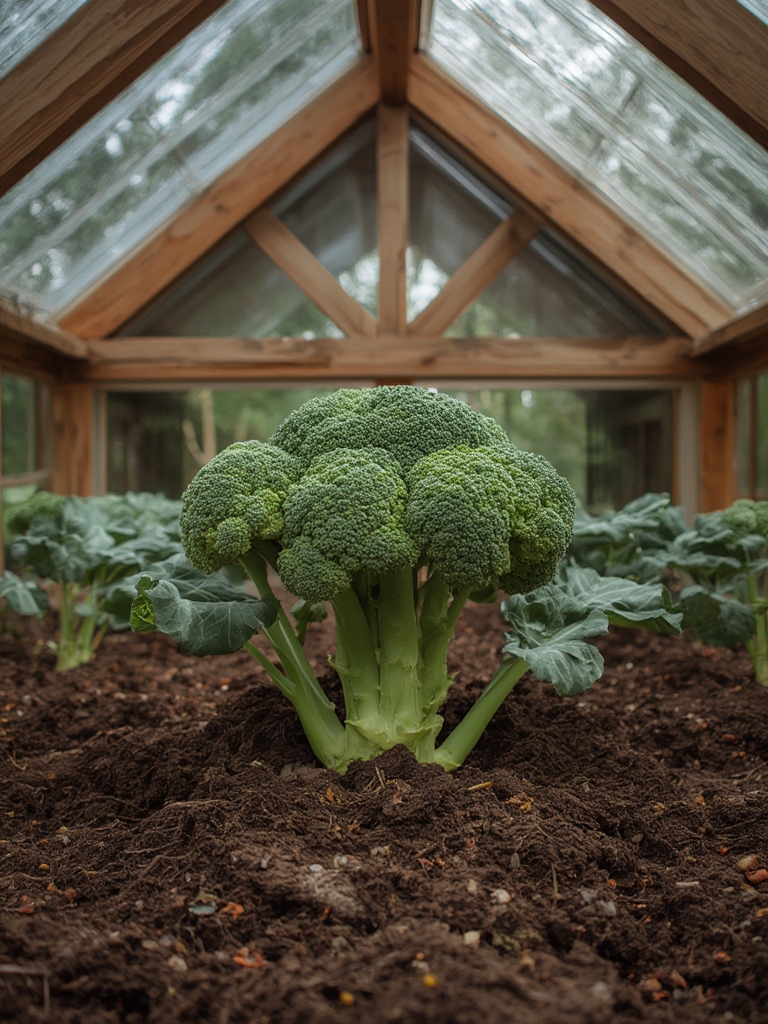
Materials & Supplies
- Broccoli Seeds or Seedlings: Choose between varieties like Calabrese (most common), Destiny, or Purple Sprouting
- Garden Soil: Rich, well-draining soil with plenty of organic matter
- Compost or Aged Manure: For soil enrichment
- Garden Bed or Containers: At least 12 inches deep
- Plant Food: Balanced fertilizer (10-10-10) or organic fish emulsion
- Mulch: Straw, shredded leaves, or compost
- Watering Can or Irrigation System: For consistent moisture
- Garden Gloves and Basic Tools: Trowel, garden fork, pruning shears
- Row Covers or Netting: Optional for pest protection
- pH Testing Kit: Broccoli prefers slightly acidic soil (6.0-7.0)
Timing / Growing Schedule
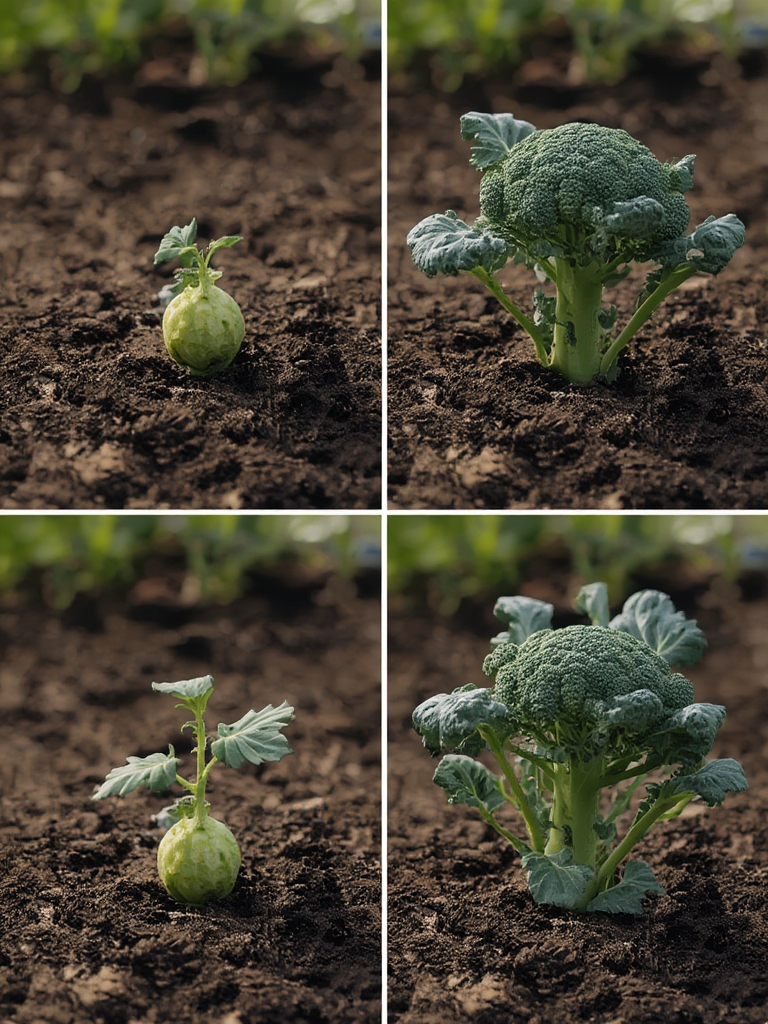
Broccoli performs best in cool weather with temperatures between 65-75°F (18-24°C). For spring harvest, start seeds indoors 6-8 weeks before last frost. For fall harvest (often more successful), sow seeds 85-100 days before your first fall frost.
From seedling to harvest typically takes 60-100 days depending on variety. Most varieties require about 1-2 weeks for germination, followed by 4-6 weeks of vegetative growth before heading begins. Plan for approximately 2 months from transplant to first harvest.
Step-by-Step Instructions
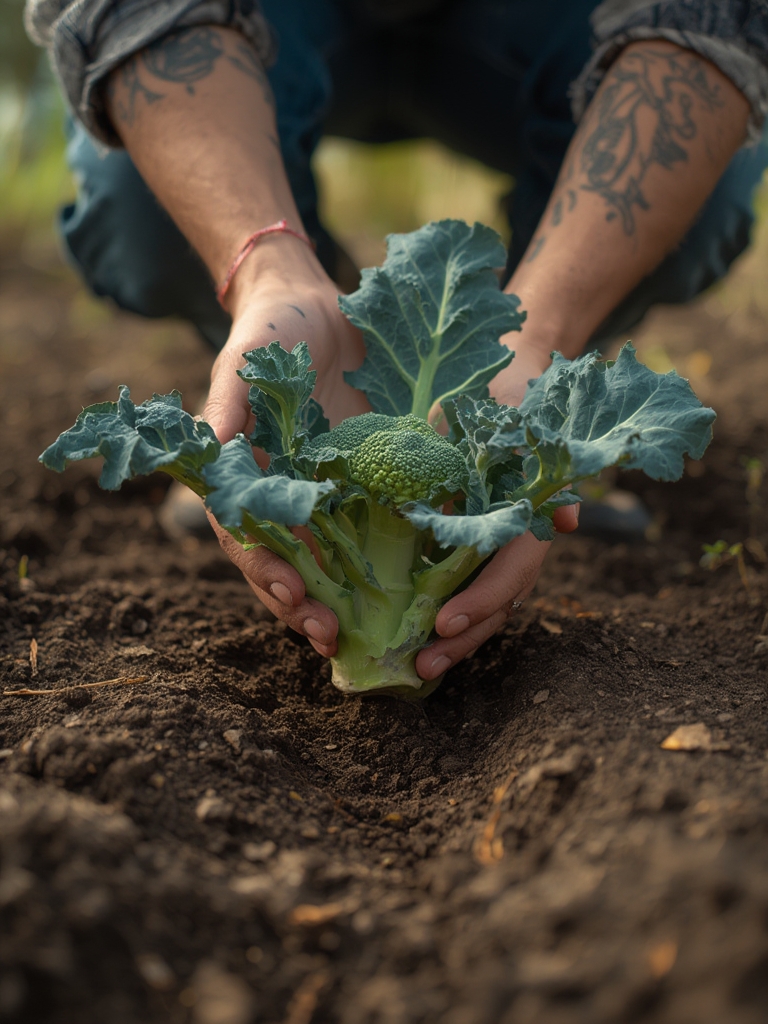
Prepare Soil: Amend garden soil with 2-3 inches of compost. Broccoli is a heavy feeder and thrives in nutrient-rich environments.
Start Seeds: Plant seeds ¼ to ½ inch deep. Keep soil consistently moist until germination occurs.
Transplant Seedlings: When seedlings develop 4-5 true leaves, space them 18-24 inches apart in rows 3 feet apart. Firm soil gently around roots.
Water Properly: Provide 1-1.5 inches of water weekly. Consistent moisture is crucial when Growing Broccoli to prevent bitter taste and woody stems.
Apply Mulch: Add 2-3 inches of mulch to retain moisture and suppress weeds.
Fertilize: Side-dress with balanced fertilizer when plants are about 6 inches tall.
Pest Management: Monitor for aphids, cabbage worms, and cabbage loopers. Use row covers or organic pest control methods.
Harvest: Cut the main head when it reaches 4-7 inches in diameter with a sharp knife, leaving about 5-6 inches of stem. Harvesting Broccoli correctly encourages side shoot production for extended yields.
Benefits / Advantages
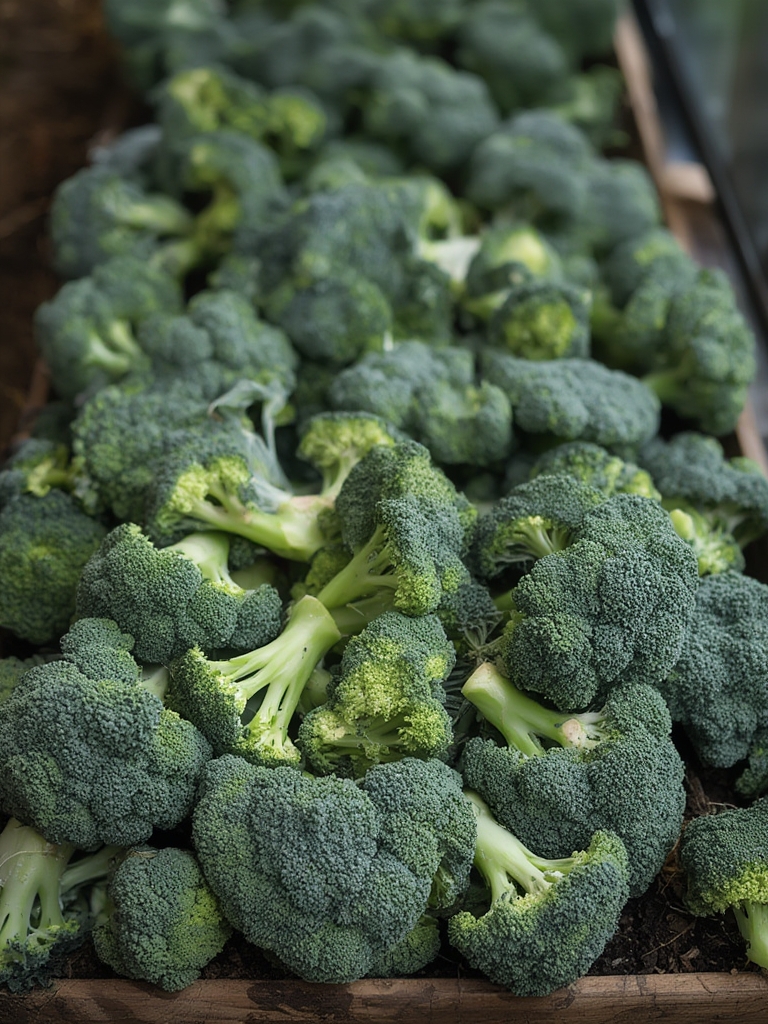
- Nutritional Powerhouse: Home-grown broccoli contains higher levels of vitamins C, K, and folate than store-bought varieties
- Cost-Effective: A single plant can produce multiple harvests, saving money over purchasing at grocery stores
- Extended Harvest Period: Side shoots continue producing for weeks after main head harvest
- Pest Control: Rotating broccoli with other crops helps disrupt pest cycles in your garden
- Soil Health: Broccoli’s deep roots help improve soil structure and aeration
- Frost Tolerance: Can withstand light frosts, extending your growing season
Tips, Alternative Methods, or Gardening Advice
For container growing, choose pots at least 12 inches deep and 18 inches wide. Broccoli performs exceptionally well in raised beds where soil warms faster in spring. In hot climates, provide afternoon shade to prevent bolting. Consider companion planting with herbs like dill or rosemary to deter pests naturally.
For continuous harvests, stagger plantings every 2-3 weeks. Try interplanting with fast-growing crops like radishes or lettuce to maximize garden space while broccoli matures.
Common Mistakes to Avoid
- Planting Too Late: Broccoli bolts (flowers prematurely) in hot weather, resulting in bitter taste
- Inconsistent Watering: Causes stressed plants and woody stems
- Crowding Plants: Poor spacing leads to small heads and disease issues
- Ignoring Pests Early: Small infestations quickly become unmanageable
- Over-fertilizing: Excessive nitrogen creates lush leaves but poor head formation
Maintenance Tips
Keep soil consistently moist but not waterlogged. Apply a balanced liquid fertilizer every 3-4 weeks. Remove yellowing lower leaves to improve air circulation. Harvest heads in the morning when plants are most hydrated for best flavor. Store harvested broccoli in the refrigerator, unwashed in a perforated plastic bag for 7-10 days. If temperatures rise unexpectedly, provide temporary shade to prevent bolting.
Conclusion
With these guidelines, you’re well-equipped to enjoy the satisfaction of Growing Broccoli in your own garden. The process requires some attention to timing and care, but the reward of fresh, nutritious homegrown produce is well worth the effort.
Remember that Harvesting Broccoli correctly is key to maximizing your yield. Start with a small patch, learn as you go, and soon you’ll be enjoying multiple harvests of this versatile vegetable. Share your broccoli growing journey with us in the comments, and don’t forget to check out our guides for other brassica vegetables like cauliflower and cabbage!
FAQs
Why are my broccoli heads small?
Small heads typically result from stress factors like heat, drought, or nutrient deficiencies. Ensure consistent watering, adequate spacing, and proper fertilization to encourage larger head development.
Can broccoli be grown indoors?
Yes, broccoli can be grown indoors with sufficient light (14-16 hours daily), proper containers (at least 12 inches deep), and cool temperatures. Dwarf varieties work best for indoor cultivation.
How do I prevent broccoli from flowering too quickly?
Plant during cooler seasons, provide afternoon shade in warmer climates, ensure consistent watering, and harvest promptly when heads reach full size but before individual buds begin to separate.
Why do my broccoli leaves have holes?
Holes typically indicate insect damage from cabbage worms, cabbage loopers, or flea beetles. Use row covers preventatively or treat with organic Bacillus thuringiensis (Bt) spray to control these pests.
Can I grow broccoli year-round?
In temperate climates, broccoli grows best in spring and fall. In mild-winter regions (zones 8-10), winter growth is possible. Summer growing is challenging in most regions due to heat causing bitter taste and premature flowering.