
Cebu Blue Pothos: the best 5 Tips
Have you been searching for a stunning, low-maintenance trailing plant to add to your home? Look no further than the Cebu Blue Pothos. This beautiful tropical vine, native to the Philippines, has captivated plant enthusiasts with its silvery-blue foliage and easy-going nature.
Table of Contents
The Cebu Blue plant is perfect for beginners and experienced gardeners alike. Its resilient nature means it can thrive in various indoor environments, making it an excellent choice for those looking to expand their houseplant collection with something uniquely beautiful yet forgiving.
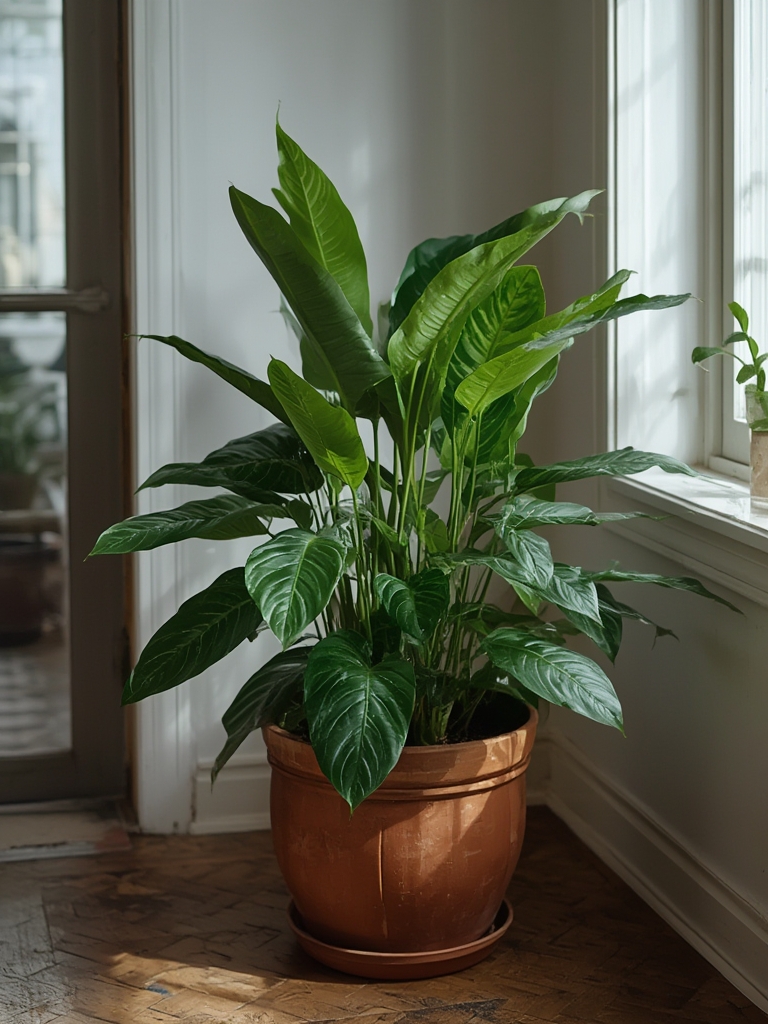
Materials & Supplies
To successfully grow your Cebu Blue Pothos, you’ll need:
- 6-inch pot with drainage holes
- Well-draining potting mix (aroid mix or regular potting soil with perlite)
- Pruning shears or sharp scissors
- Moss pole or trellis (optional, for climbing support)
- Spray bottle for misting
- Liquid houseplant fertilizer (diluted to half-strength)
- Clear plastic bag or humidity dome (for propagation)
- Distilled or filtered water (if your tap water is high in chemicals)
- Small containers for water propagation (optional)
Timing / Growing Schedule
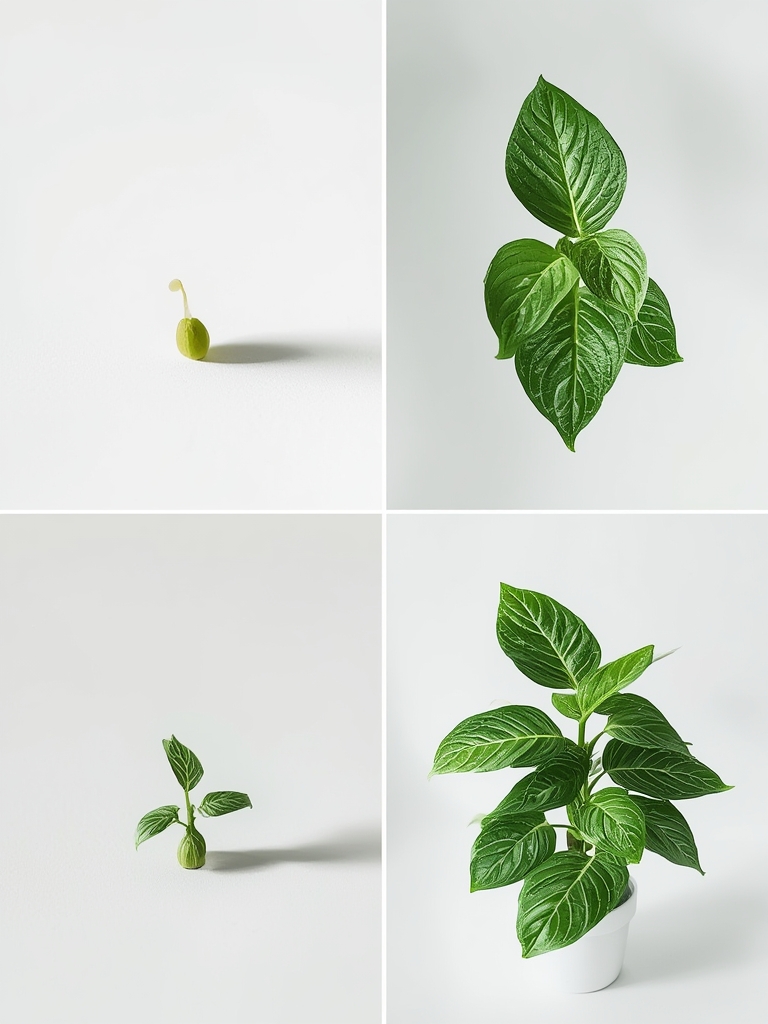
Cebu Blue Pothos grows year-round indoors but experiences most active growth during spring and summer months. Expect slower growth during fall and winter. When properly cared for, new leaves will emerge every 2-3 weeks during the growing season.
For propagation, spring and early summer provide optimal conditions with success rates of 90%+. New cuttings typically develop roots within 2-3 weeks in water and 4-6 weeks when propagated directly in soil. A young plant can develop into a full, trailing specimen within 6-12 months.
Step-by-Step Instructions
Select the right location: Place your Cebu Blue Pothos in bright, indirect light. Avoid direct sunlight which can scorch the leaves. North or east-facing windows are ideal.
Prepare the potting medium: Mix regular potting soil with perlite at a 2:1 ratio for optimal drainage. Alternatively, use a pre-made aroid mix.
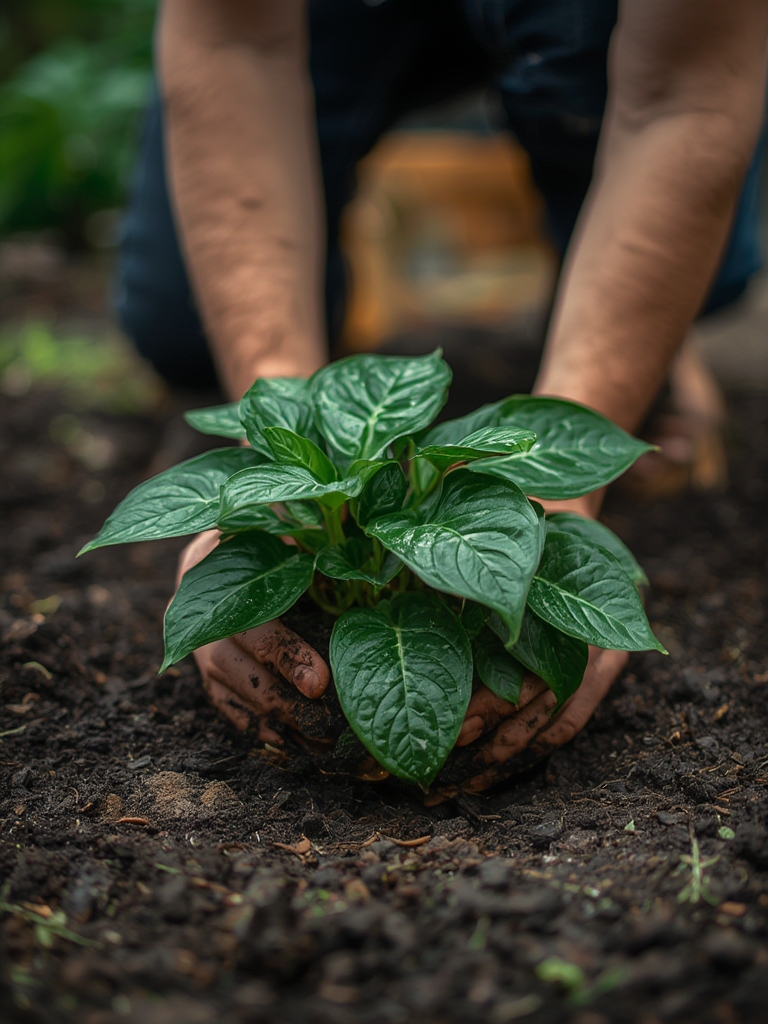
Planting: Place your plant in the pot, ensuring the roots are covered but the stems remain above soil level. Leave 1-2 inches of space below the pot rim for watering.
Watering routine: Water thoroughly when the top 1-2 inches of soil feel dry to the touch. Allow excess water to drain completely. Reduce watering frequency during winter months.
Support climbing (optional): Insert a moss pole or trellis if you want your Cebu Blue plant to climb rather than trail. Secure stems to the support with plant ties.
Fertilizing: Apply diluted liquid fertilizer monthly during spring and summer. Skip fertilizing in fall and winter when growth naturally slows.
Benefits / Advantages
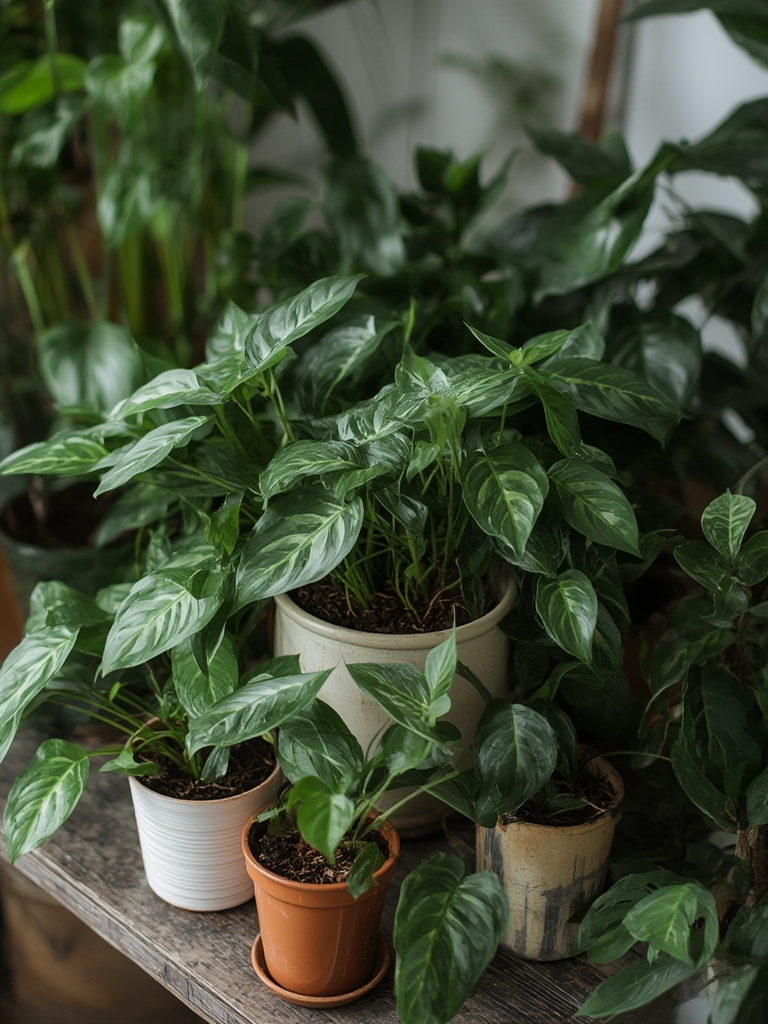
- Air purification: Helps remove indoor air pollutants like formaldehyde and benzene
- Stress reduction: Studies show houseplants can lower stress levels and improve mood
- Low maintenance: Perfect for busy households or those new to plant care
- Adaptability: Thrives in various light conditions and humidity levels
- Propagation potential: Easily share with friends or expand your collection
- Unique aesthetics: Distinctive blue-silver foliage adds visual interest to your space
Tips, Alternative Methods, or Gardening Advice
For compact growth, pinch back growing tips regularly. To encourage larger leaves, provide a climbing support—Cebu Blue develops bigger, more fenestrated leaves when allowed to climb.
In low-humidity environments, group plants together or use a pebble tray with water beneath the pot. For small spaces, consider growing in a hanging basket where trailing vines can create a dramatic display without taking up surface area.
For those in apartments with limited natural light, Cebu Blue tolerates moderate artificial light from fluorescent or LED sources, making it suitable for office environments as well.
Common Mistakes to Avoid
- Overwatering: Yellowing leaves often indicate waterlogged soil. Always check soil moisture before watering.
- Insufficient light: Leggy growth with small leaves suggests the plant needs more light. Relocate to a brighter spot.
- Cold drafts: Avoid placing near air conditioning vents or drafty windows; temperatures below 55°F can damage the plant.
- Ignoring dust: Dusty leaves reduce photosynthesis efficiency. Wipe leaves monthly with a damp cloth.
- Skipping rotation: Failure to rotate the plant results in uneven growth. Turn the pot quarterly.
Maintenance Tips
Prune leggy growth in early spring to maintain a fuller appearance. Remove any yellow or damaged leaves promptly. Repot every 2-3 years when roots become visible through drainage holes or growth slows despite proper care.
Clean leaves monthly with a damp cloth to remove dust and increase light absorption. Watch for pests like spider mites and mealybugs, especially during winter when indoor heating creates dry conditions.
Conclusion
The Cebu Blue Pothos offers an excellent combination of striking beauty and forgiving nature, making it perfect for plant enthusiasts of all experience levels. Whether you’re looking to add a touch of tropical elegance to your home or seeking a low-maintenance companion, this remarkable plant delivers on all fronts. Remember that the Cebu Blue Pothos rewards minimal effort with maximum visual impact.
Ready to start your journey with the stunning Cebu Blue plant? Share your growing experiences in the comments below, or tag us in your plant photos on social media. Happy gardening!
FAQs
How often should I water my Cebu Blue Pothos?
Water when the top 1-2 inches of soil feel dry to the touch, typically every 7-10 days, depending on your home’s temperature and humidity levels.
Why are my Cebu Blue leaves small and not fenestrated?
Juvenile Cebu Blue plants have smaller, solid leaves. As they mature and climb upward, they develop larger leaves with fenestrations (splits and holes).
Can Cebu Blue thrive in low light?
While it can survive in low light, it thrives best in bright, indirect light. Low light conditions will result in slower growth and smaller leaves.
Is Cebu Blue Pothos toxic to pets?
Yes, like all pothos varieties, Cebu Blue contains calcium oxalate crystals that are toxic if ingested by cats, dogs, or small children.
How can I make my Cebu Blue grow faster?
Provide bright indirect light, consistent watering, moderate humidity (50-60%), and fertilize monthly during the growing season for optimal growth rates.