
Bulb Planting 5 Quick ways to grow
Ever wondered how to create a stunning spring garden that blooms reliably year after year? Bulb Planting is one of the most rewarding gardening activities that delivers spectacular results with minimal effort.
The magic of tucking these dormant powerhouses into the soil during fall and witnessing their vibrant emergence months later never fails to delight both novice and experienced gardeners. With proper planning and technique, you can create waves of colorful spring bulbs that transform your landscape from winter’s drab palette to spring’s vivid showcase.
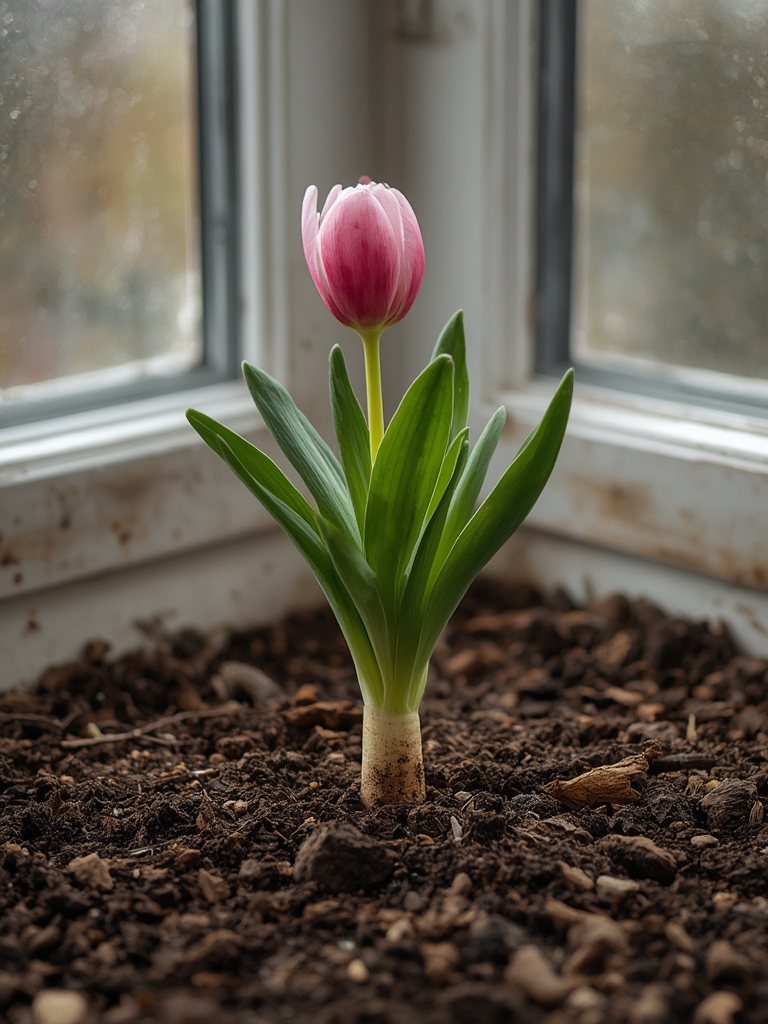
Materials & Supplies
- Bulbs: Choose high-quality, firm bulbs without soft spots or mold
- Garden spade or bulb planter: For digging individual holes or trenches
- Garden fork: For loosening soil before planting
- Compost or organic matter: To improve soil structure and drainage
- Bone meal or bulb fertilizer: To provide essential nutrients
- Mulch: Shredded leaves, straw, or bark to insulate and protect
- Garden gloves: Some bulbs can irritate skin
- Bulb basket: (Optional) Wire cages to protect bulbs from rodents
- Garden marker or map: To record planting locations
- Watering can or hose: For initial watering after planting
Timing / Growing Schedule
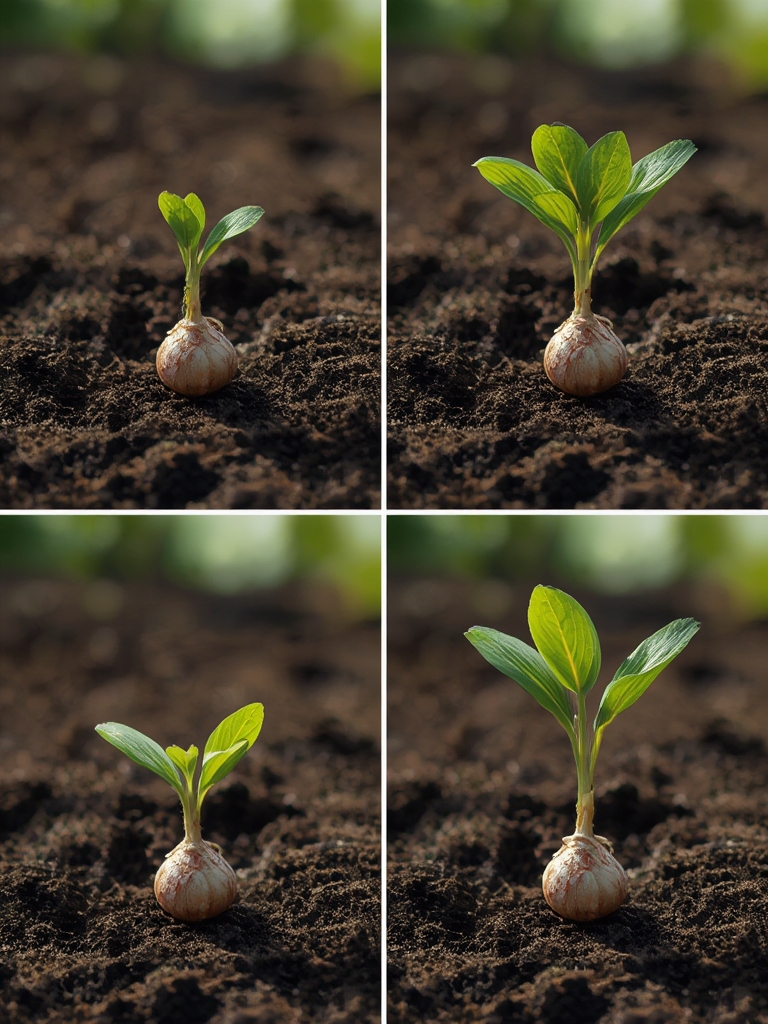
Most spring-flowering bulbs should be planted in fall, approximately 6-8 weeks before the ground freezes. This gives bulbs time to establish roots before winter dormancy. In USDA zones 4-7, September through November is ideal, with earlier planting for northern regions and later for southern areas. Summer-blooming bulbs like dahlias and gladiolus should be planted in spring after the threat of frost has passed. From planting to flowering, most spring bulbs need 12-16 weeks of cold temperatures (below 45°F) followed by warming temperatures to trigger blooming.
Step-by-Step Instructions
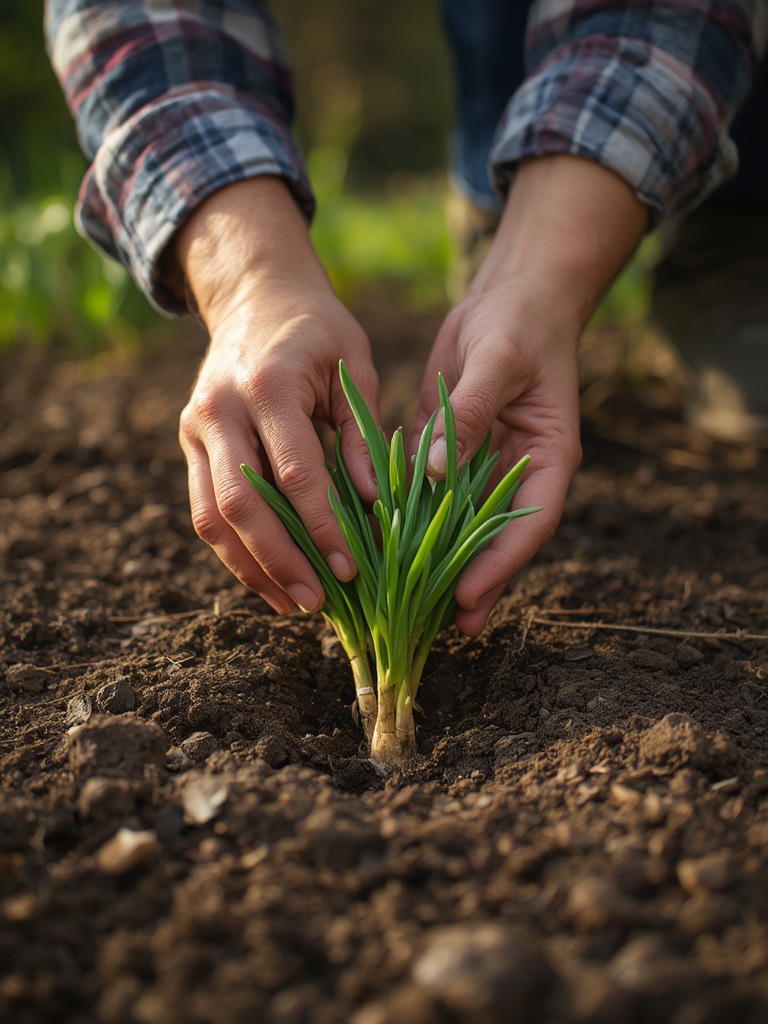
- Select planting location: Choose areas with good drainage and appropriate light for your specific bulbs. Most spring bulbs prefer full to partial sun.
- Prepare the soil: Loosen soil to a depth of 8-12 inches and incorporate organic matter to improve drainage and fertility.
- Determine planting depth: General rule is to plant bulbs at a depth of 2-3 times their height. Small bulbs like crocus go 3-4 inches deep, while larger bulbs like tulips need 6-8 inches.
- Position bulbs correctly: Place bulbs with the pointed end up and root plate down. If uncertain, plant sideways and the bulb will orient itself.
- Space appropriately: Allow 4-6 inches between large bulbs and 1-2 inches for smaller varieties. For natural-looking drifts, avoid planting in straight lines.
- Add fertilizer: Sprinkle bulb fertilizer or bone meal in the planting hole, following package directions.
- Cover and water: Backfill with soil, firm gently, water thoroughly, and apply 2-3 inches of mulch. The key to successful Bulb Planting is ensuring good soil contact without compacting the area.
Benefits / Advantages
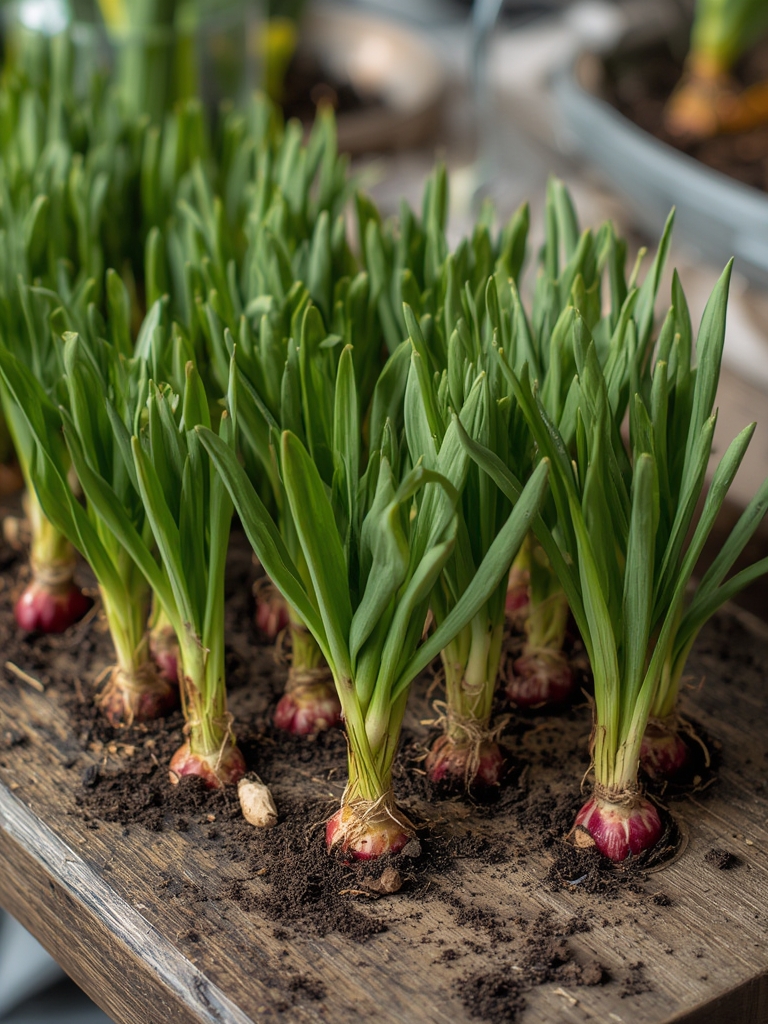
- Low maintenance: Once planted, most bulbs require minimal care
- Reliable performance: Many varieties return and multiply year after year
- Early-season color: Provides first garden color when few other plants are blooming
- Versatility: Can be planted in beds, borders, lawns, and containers
- Wildlife support: Early bulbs provide crucial nectar for pollinators emerging from winter
- Emotional wellbeing: Studies show spring flowers significantly improve mood and energy levels
- Property enhancement: Increases curb appeal and property value with minimal investment
Tips, Alternative Methods, or Gardening Advice
For container gardening, choose pots at least 12 inches deep with drainage holes. Layer different bulbs by depth (called “lasagna planting”) to create succession blooming. For warm climates (zones 9-10), pre-chill bulbs in the refrigerator for 6-10 weeks before planting. In small spaces, focus on high-impact areas visible from windows or entries. For naturalized plantings in lawns, toss bulbs randomly and plant where they land for a natural look. Use bulbs under deciduous trees – they’ll bloom before trees leaf out.
Common Mistakes to Avoid
- Planting too late: Waiting until ground is frozen prevents root establishment
- Poor drainage: Bulbs rot in waterlogged soil; add sand or plant in raised beds if drainage is poor
- Removing foliage too early: Allow leaves to yellow naturally to feed next year’s blooms
- Improper storage: Summer-flowering bulbs need cool, dry storage after digging
- Skipping mulch: Mulch prevents temperature fluctuations that can cause premature sprouting
- Neglecting animal protection: Use physical barriers or repellents where rodents are problematic
Maintenance Tips
After flowering, deadhead spent blooms but leave foliage until it yellows. Apply low-nitrogen fertilizer after flowering. For perennialized bulbs, divide clumps every 3-4 years when blooms diminish. In warmer climates, dig up tulips and hyacinths after foliage dies and store in cool, dry location until fall replanting. Water bulbs during active growth if rainfall is insufficient, but reduce watering after flowering. Mark planting locations to avoid accidental digging during dormancy.
Conclusion
The time-honored tradition of Bulb Planting offers gardeners a unique opportunity to plan ahead and create spectacular spring displays with minimal effort. By following these guidelines, you’ll enjoy waves of colorful spring bulbs that return reliably for years. Whether you’re a beginner or seasoned gardener, the simple act of tucking these dormant treasures into autumn soil connects you to gardening traditions stretching back centuries. Start small, experiment with different varieties, and share your successes with fellow gardening enthusiasts!
FAQs
Why aren’t my bulbs blooming after the first year?
This could be due to removing foliage too early, insufficient sunlight, or lack of proper fertilization. Allow foliage to die back naturally and fertilize after flowering.
Can I plant bulbs in containers?
Absolutely! Use deep pots with drainage holes and protect from extreme cold. Consider bringing containers into unheated garages during severe weather.
Do I need to dig up all bulbs after flowering?
Most daffodils, crocuses, and grape hyacinths can remain in the ground. Tulips and hyacinths often perform better if lifted in warmer climates.
What should I do about squirrels digging up my bulbs?
Plant bulbs deeper than recommended, cover planting areas with chicken wire until sprouts appear, or spray with animal repellent. Consider planting daffodils, which rodents avoid due to toxicity.
Can I plant bulbs in partially shaded areas?
Many spring bulbs bloom before trees leaf out, making woodland settings ideal. Choose shade-tolerant varieties like snowdrops, scilla, and certain daffodils for permanently shaded locations.