
Best way to grow Philodendron Plant simple steps
Have you ever wondered how to bring lush, tropical vibes into your home with minimal effort? Philodendron Plants are the perfect solution for both beginner and experienced plant parents. These versatile houseplants are not only aesthetically pleasing but also remarkably resilient.
Table of Contents
With proper Philodendron care techniques, you can enjoy their beautiful heart-shaped or split leaves for many years to come. Let’s explore how to cultivate these tropical treasures in your home environment.
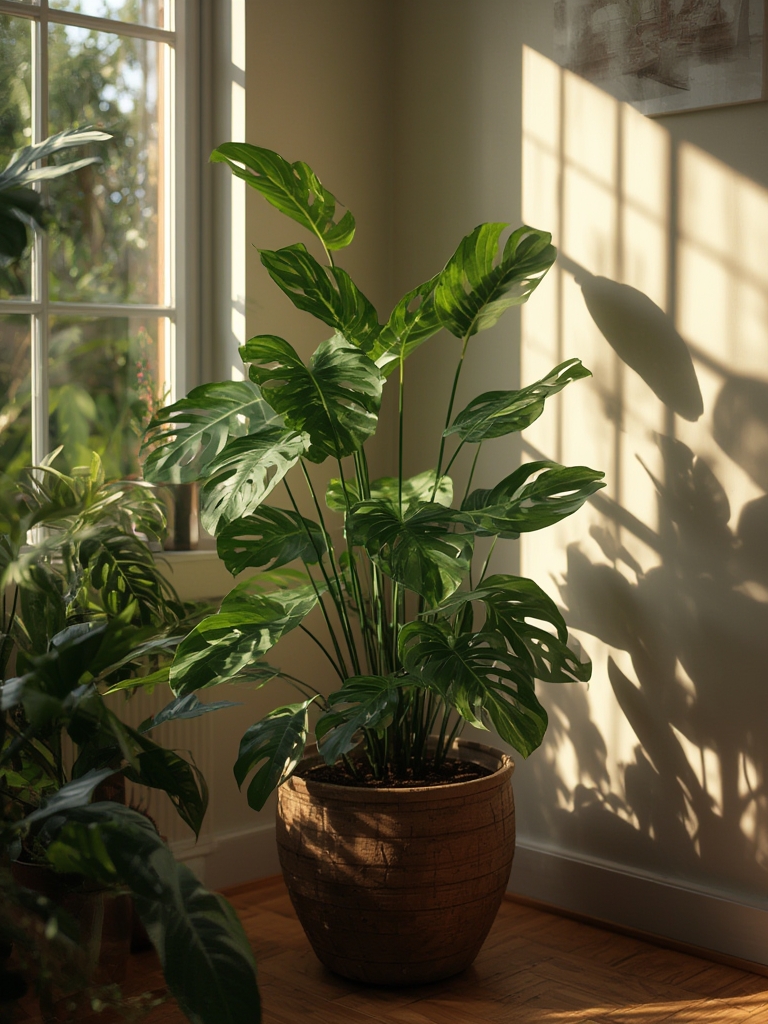
Materials & Supplies
To successfully grow philodendrons, you’ll need:
- Well-draining potting mix (preferably with peat moss, perlite, and pine bark)
- Containers with drainage holes (6-10 inches depending on plant size)
- Watering can with narrow spout
- Plant mister for humidity
- Liquid houseplant fertilizer (balanced NPK ratio)
- Pruning shears or sharp scissors
- Support structures (moss poles or trellises) for climbing varieties
- Neem oil or insecticidal soap for pest management
- Humidity tray (optional for dry environments)
Timing / Growing Schedule
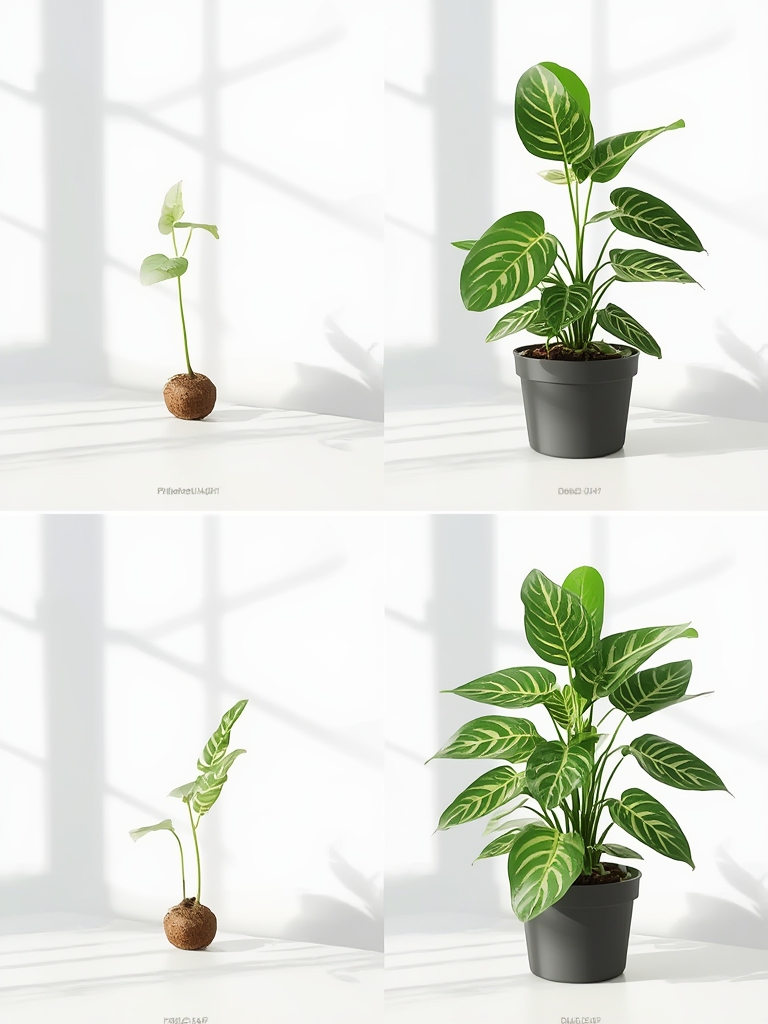
Philodendrons grow year-round as indoor plants but have different care needs seasonally:
- Spring/Summer: Active growth period requiring regular watering and monthly fertilizing
- Fall/Winter: Reduced growth requiring less water and no fertilizer
- Repotting: Every 2-3 years in spring when roots become visible through drainage holes
- Propagation: Best done in spring or summer when growth is most vigorous
- Maturity: Most varieties reach mature size in 3-5 years with proper care
Step-by-Step Instructions
Choose the right location: Place your Philodendron Plant in bright, indirect light. Direct sunlight can scorch leaves, while too little light causes leggy growth.
Prepare the pot: Select a container 1-2 inches larger than the root ball with drainage holes. Fill the bottom with fresh potting mix.
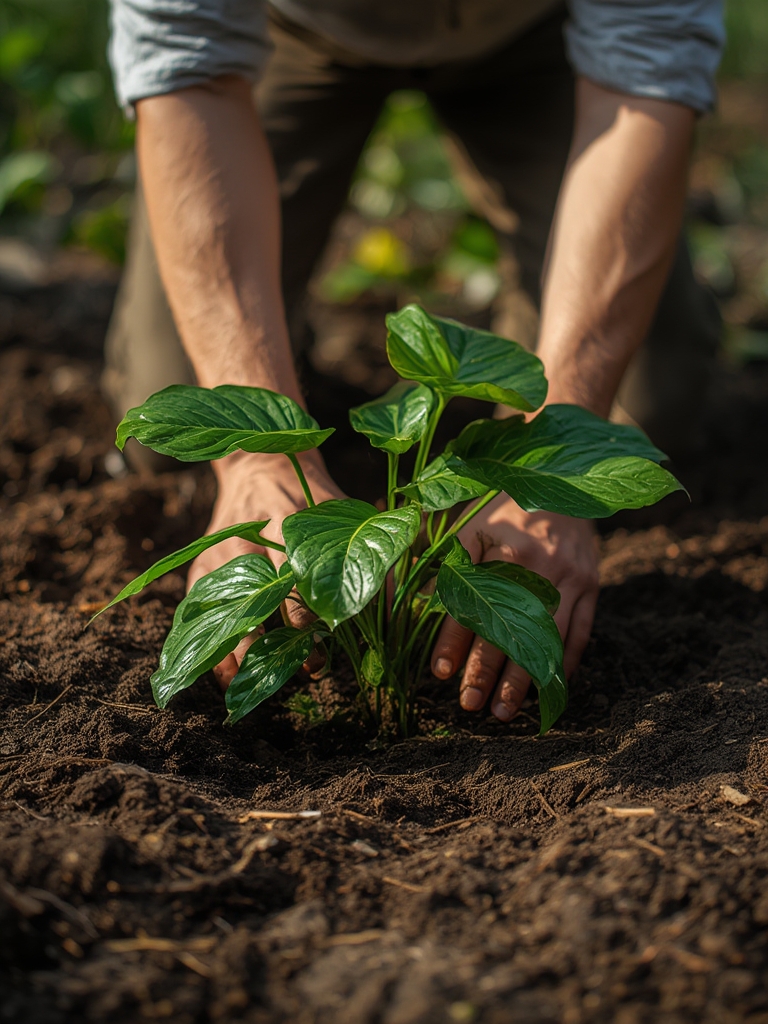
Planting: Gently remove the philodendron from its nursery pot, loosen the roots slightly, and place it in the new container. Fill with soil, leaving 1 inch of space from the rim.
Watering routine: Water thoroughly when the top 1-2 inches of soil feels dry. Ensure excess water drains completely to prevent root rot.
Provide proper Philodendron care: Maintain humidity levels between 40-60% through misting or humidity trays. Wipe leaves occasionally to remove dust.
Support climbing varieties: Install a moss pole or trellis for vining philodendrons and gently train stems to grow upward.
Benefits / Advantages
- Excellent air purifiers that remove toxins like formaldehyde
- Adaptable to various light conditions and forgiving of occasional neglect
- Long-lived plants that can thrive for decades with proper care
- Visually striking foliage that adds tropical elegance to any space
- Low-maintenance compared to many other houseplants
- Available in numerous varieties with different leaf shapes and growth habits
Tips, Alternative Methods, or Gardening Advice
- Rotate your plant regularly to ensure even growth on all sides
- For fuller plants, pinch growing tips to encourage branching
- Consider semi-hydroponics for philodendrons in very dry climates
- Group with other tropical plants to create a humidity-sharing microclimate
- Use distilled or filtered water if your tap water contains high mineral content
- Variegated varieties typically need brighter light than solid green types
Common Mistakes to Avoid
- Overwatering: More philodendrons die from excess water than underwatering
- Incorrect light: Placing in dark corners or direct sunlight harms growth
- Ignoring pest problems: Check regularly for spider mites and mealybugs
- Using cold water: Room-temperature water prevents shock to the root system
- Fertilizing during dormancy: This can damage roots when growth is slow
Maintenance Tips
- Dust leaves monthly with a damp cloth to keep pores clear for respiration
- Prune yellowing or damaged leaves at the base using clean, sharp scissors
- Fertilize only during growing season (spring and summer) at half-strength
- Increase humidity during winter months when heating systems dry indoor air
- Check soil moisture weekly and adjust watering schedule seasonally
Conclusion
With their striking foliage and adaptable nature, Philodendron Plants make excellent companions for any home or office. By following these guidelines for Philodendron care, you’ll enjoy these tropical beauties for years to come. Start with one variety, and don’t be surprised if you soon find yourself collecting different types! Share your philodendron growing journey with us in the comments below, or explore our other houseplant guides for more green inspiration.
FAQs
Are philodendrons safe for pets?
No, philodendrons contain calcium oxalate crystals that are toxic if ingested by cats, dogs, or small children. Keep plants out of reach of curious pets.
How often should I repot my philodendron?
Typically every 2-3 years or when roots begin circling the pot or growing through drainage holes.
Why are my philodendron’s leaves turning yellow?
Yellowing leaves usually indicate overwatering, but can also result from nutrient deficiencies, poor lighting, or pest problems.
Can I grow philodendrons outdoors?
Yes, in USDA zones 9-11 philodendrons can grow outdoors year-round. In colder climates, they can be moved outside during summer months.
How do I propagate philodendrons?
Most varieties propagate easily from stem cuttings placed in water or moist soil, with roots developing within 2-4 weeks.