
best 9 Tips for Growing Carrots Perfectly
Are you looking for a rewarding and nutritious addition to your garden? Growing Carrots at home can be a delightful experience for gardeners of all skill levels. These vibrant root vegetables not only add color to your garden but also provide exceptional flavor that store-bought varieties simply can’t match.
Table of Contents
Whether you’re a seasoned gardener or just starting out, the process of planting Carrot Seeds and watching them develop into crunchy, sweet vegetables is both satisfying and educational. Let’s dive into everything you need to know to grow perfect carrots in your own backyard or container garden.
Materials & Supplies
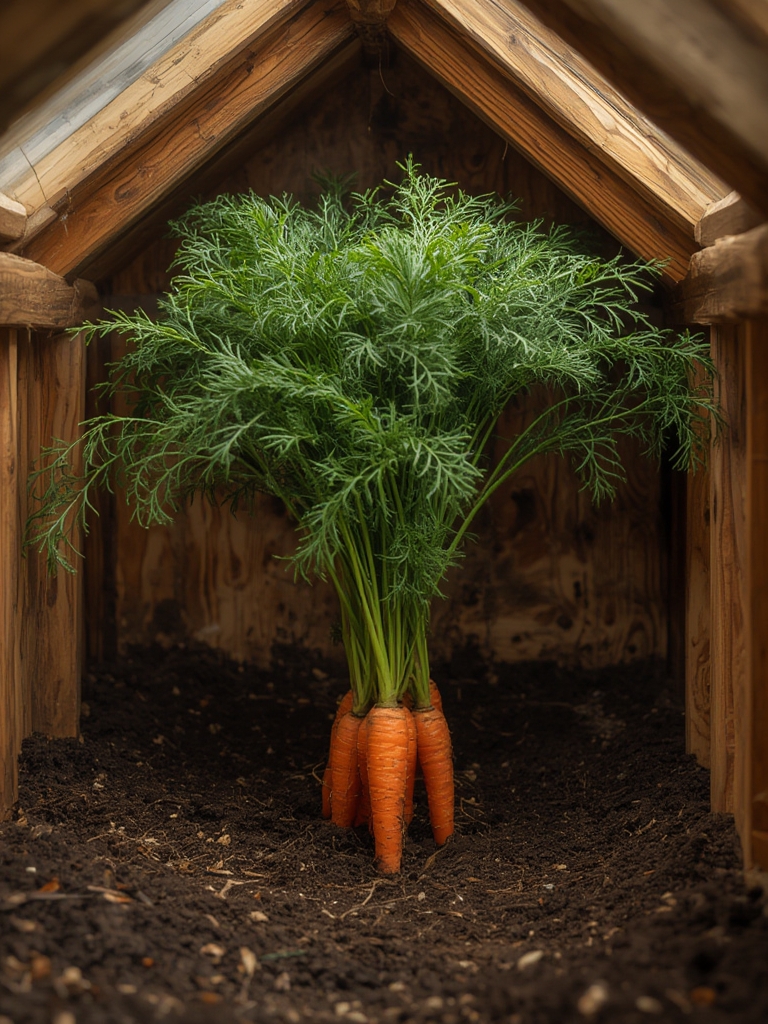
To get started with your carrot garden, you’ll need:
- Garden fork or tiller for soil preparation
- Garden rake for smoothing soil
- Carrot Seeds (choose varieties suitable for your climate)
- Well-draining, loose soil or potting mix
- Compost or aged manure
- Watering can or hose with spray attachment
- Row markers or plant labels
- Fine sand (optional, for improving soil texture)
- Mulch material (straw, dried grass clippings, or leaf mold)
- Garden gloves
- Seed-sowing guide or thin piece of wood (for creating seed drills)
- Scissors or garden snips (for thinning seedlings)
- Organic fertilizer (low in nitrogen)
- Garden netting or row covers (for pest protection)
Timing / Growing Schedule
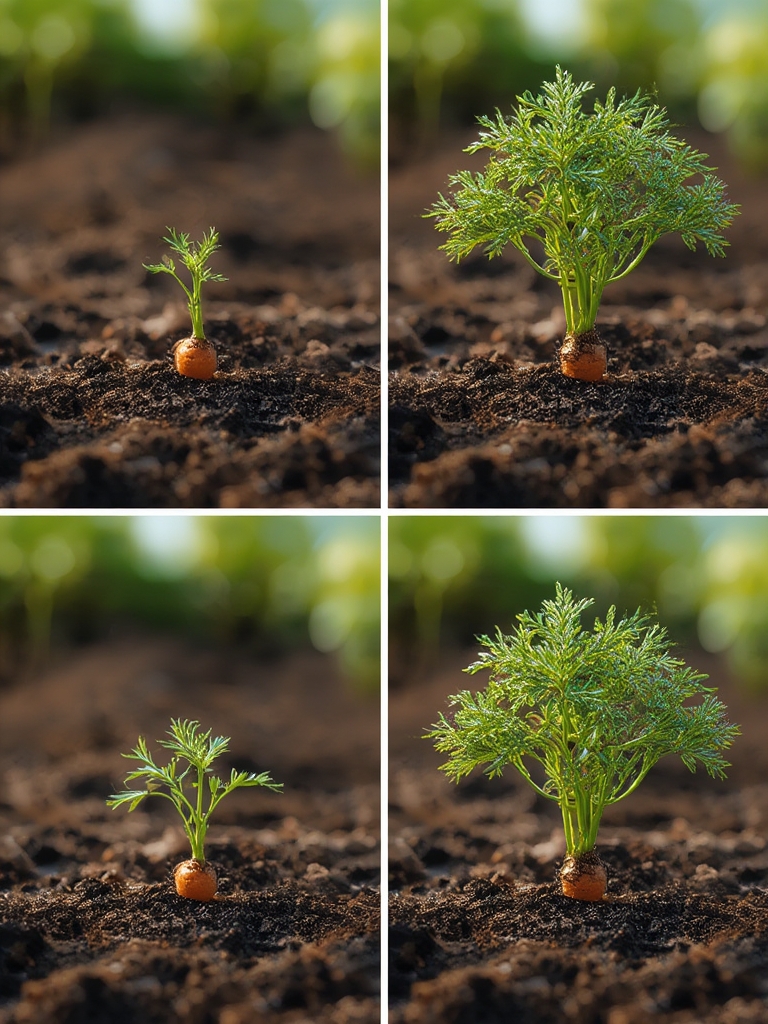
Carrots are cool-weather crops that perform best when planted at specific times:
- Spring Planting: Sow seeds 3-5 weeks before the last spring frost
- Fall Planting: Sow 10-12 weeks before the first fall frost
- Germination Time: 14-21 days (be patient, they’re slower to germinate than many vegetables)
- Time to Maturity: 60-80 days, depending on variety
- Harvest Window: Several weeks, as you can pull carrots when they reach desired size
In warmer climates, carrots can be grown throughout winter, while northern gardeners should focus on spring and fall crops to avoid summer heat.
Step-by-Step Instructions
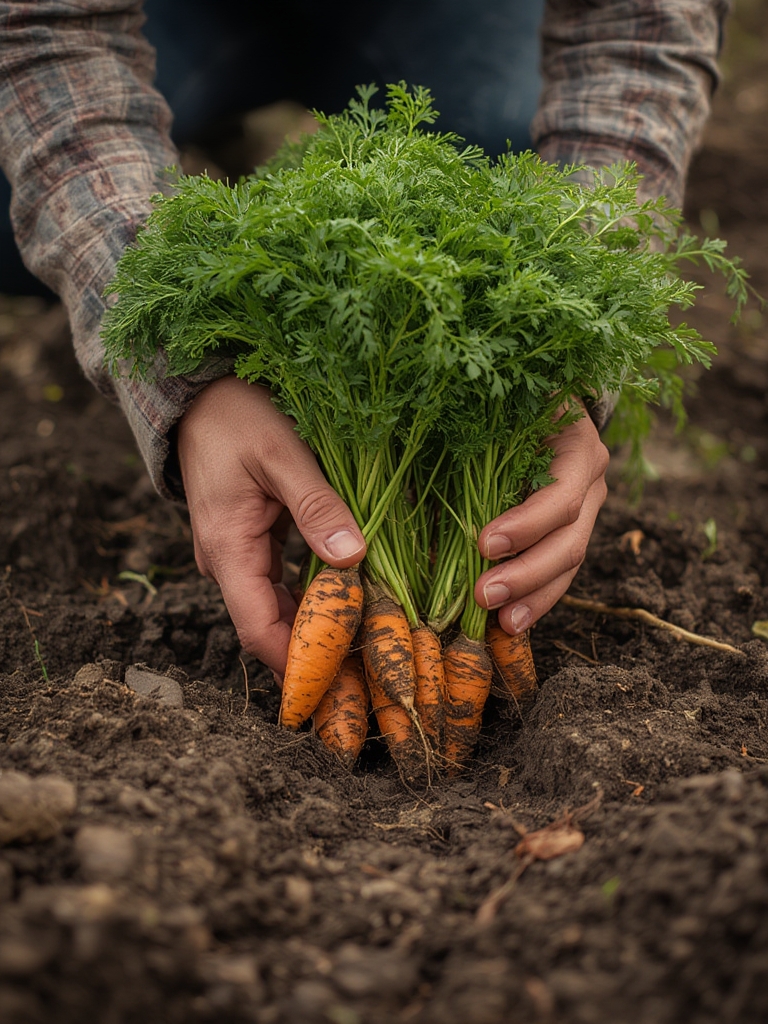
Prepare the soil: Carrots need loose, stone-free soil to develop properly. Work the soil to a depth of 12 inches, removing rocks, clumps, and debris that could impede root growth.
Amend the soil: Mix in aged compost but avoid fresh manure, which can cause carrots to fork. For clay soils, add sand to improve drainage.
Create shallow furrows: Make rows 1/4 inch deep and 12-18 inches apart.
Sow seeds carefully: Growing Carrots successfully requires proper seed spacing. Sow seeds thinly (about 2-3 seeds per inch) as carrot seeds are small and difficult to handle.
Cover lightly: Sprinkle a thin layer of fine soil or vermiculite over the seeds – no more than 1/4 inch deep.
Water gently: Use a fine spray to avoid washing away the tiny seeds.
Maintain moisture: Keep soil consistently moist but not soggy until germination.
Thin seedlings: When seedlings reach 2 inches tall, thin to 2-3 inches apart by snipping extras at soil level (pulling can disturb remaining roots).
Continue regular watering: Provide 1 inch of water weekly, more during dry periods.
Apply mulch: Once plants are established, add a thin layer of mulch to retain moisture and suppress weeds.
Benefits / Advantages
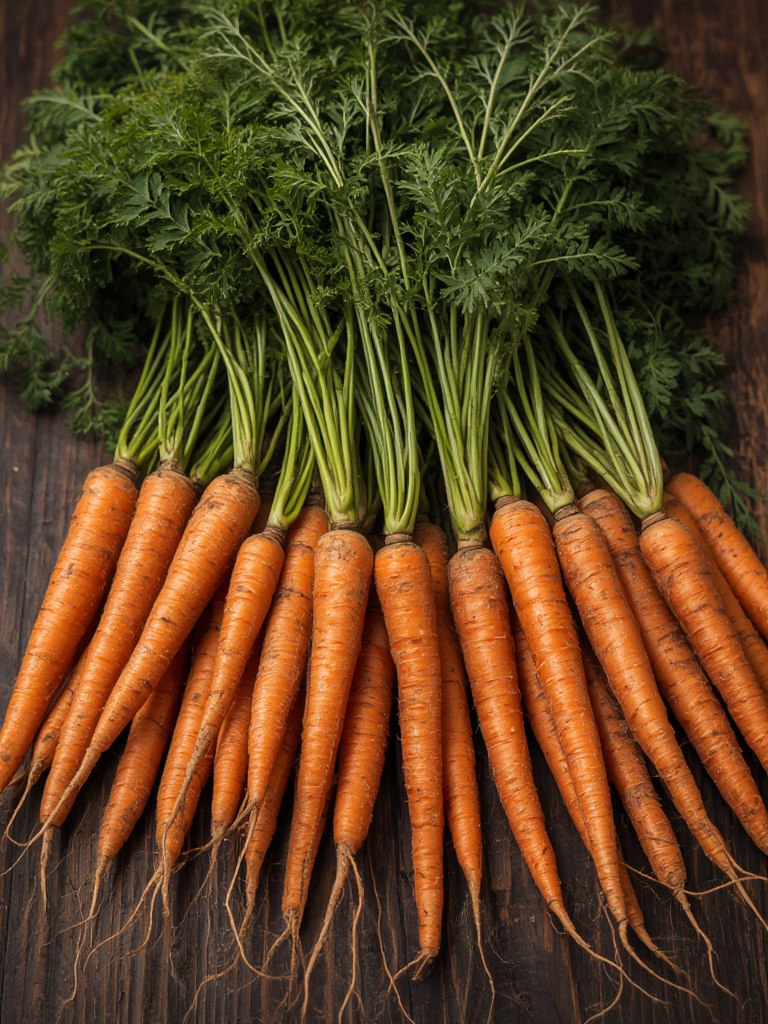
- Nutritional powerhouse: Rich in beta-carotene, fiber, vitamin K, and antioxidants
- Space-efficient: Can be grown in relatively small areas
- Cost-effective: Yields significant produce from inexpensive seeds
- Long storage life: Properly stored carrots keep for months
- Versatile in cooking: From soups and roasts to raw snacks and juices
- Soil improvement: Deep roots help break up compacted soil for future plantings
- Child-friendly: Kids enjoy growing, harvesting, and eating carrots they’ve grown themselves
Tips, Alternative Methods, or Gardening Advice
- Container growing: Choose shorter varieties like ‘Paris Market’ or ‘Thumbelina’ for containers at least 12 inches deep
- Raised beds: Ideal for carrots as they provide perfect drainage and soil control
- Companion planting: Grow with onions, leeks, or chives to deter carrot flies
- Succession planting: Sow small batches every 2-3 weeks for continuous harvests
- Winter protection: In mild climates, cover carrots with thick mulch to harvest throughout winter
- Interplanting: Plant quick-growing radishes in the same row to mark where slow-germinating carrots are planted
Common Mistakes to Avoid
Heavy or rocky soil: Results in stunted, deformed carrots. Solution: Create raised beds with screened soil.
Overcrowding: Leads to small, twisted roots. Solution: Thin seedlings properly, even if it seems wasteful.
Inconsistent watering: Causes splitting. Solution: Maintain even soil moisture with regular watering and mulch.
Too much nitrogen: Produces lush tops but forked roots. Solution: Use balanced or low-nitrogen fertilizers.
Planting too deep: Results in poor germination. Solution: Cover seeds with no more than 1/4 inch of soil.
Maintenance Tips
- Watering: Consistent moisture is key – drought followed by heavy watering causes splitting
- Weeding: Keep area weed-free, especially when plants are young
- Storage: Leave mature carrots in ground (in cold regions, under heavy mulch) or harvest and store in damp sand in a cool place
- Pest management: Use row covers to protect from carrot flies
- Winter care: Apply thick mulch before ground freezes to extend harvests in milder climates
Conclusion
Growing Carrots at home connects you to the joy of gardening while providing nutritious, delicious food for your table. With proper soil preparation, careful tending, and a bit of patience, you’ll be rewarded with crunchy, sweet carrots that far surpass store-bought varieties in both flavor and freshness. Start small with a few rows of Carrot Seeds, and you might find yourself expanding your carrot patch each season! Share your carrot-growing journey in the comments below, and don’t forget to check out our other vegetable gardening guides.
FAQs
Q: Why are my carrots short and stubby?
A: This is usually caused by heavy, compacted soil. For longer carrots, ensure soil is loose and stone-free to a depth of at least 12 inches.
Q: How do I know when my carrots are ready to harvest?
A: Most varieties are ready when the top of the root is about 3/4 to 1 inch in diameter. You can gently brush away soil from the top to check size.
Q: Can I grow carrots year-round?
A: It depends on your climate. In zones 8 and warmer, yes, with proper timing. In colder regions, focus on spring and fall crops.
Q: Why do my carrots have multiple legs or forks?
A: This is typically caused by soil obstacles (stones, clumps) or too much nitrogen. Prepare soil thoroughly and use balanced fertilizers.
Q: Is it true that carrots help you see in the dark?
A: While not literally true, carrots are rich in vitamin A (from beta-carotene), which is essential for good vision, particularly in low light conditions.