
best 7 Black Spot Roses Prevention Tips
Are your beautiful roses under attack? If you’re a rose enthusiast, you’ve likely encountered the frustrating problem of Black Spot Roses. This common fungal disease can quickly turn your garden showpiece into a leafless disappointment. However, with the right approach and timely intervention, you can effectively manage and prevent this garden menace.
Table of Contents
Most gardeners don’t realize that fighting black spot requires a combination of cultural practices and appropriate Fungicide for roses applications. By understanding the disease cycle and implementing preventative measures, you can keep your rose garden thriving all season long.

Materials & Supplies
- Garden pruners or sharp scissors (sterilized)
- Garden gloves (to protect hands when handling infected plants)
- Watering system (preferably drip irrigation to keep foliage dry)
- Mulch (organic material like wood chips or straw)
- Neem oil (natural fungicide option)
- Commercial Fungicide for roses (copper-based or sulfur-based)
- Spray bottle or garden sprayer
- Rake (to remove fallen infected leaves)
- Compost or rose-specific fertilizer
- pH testing kit (to ensure soil conditions discourage fungal growth)
Timing / Growing Schedule
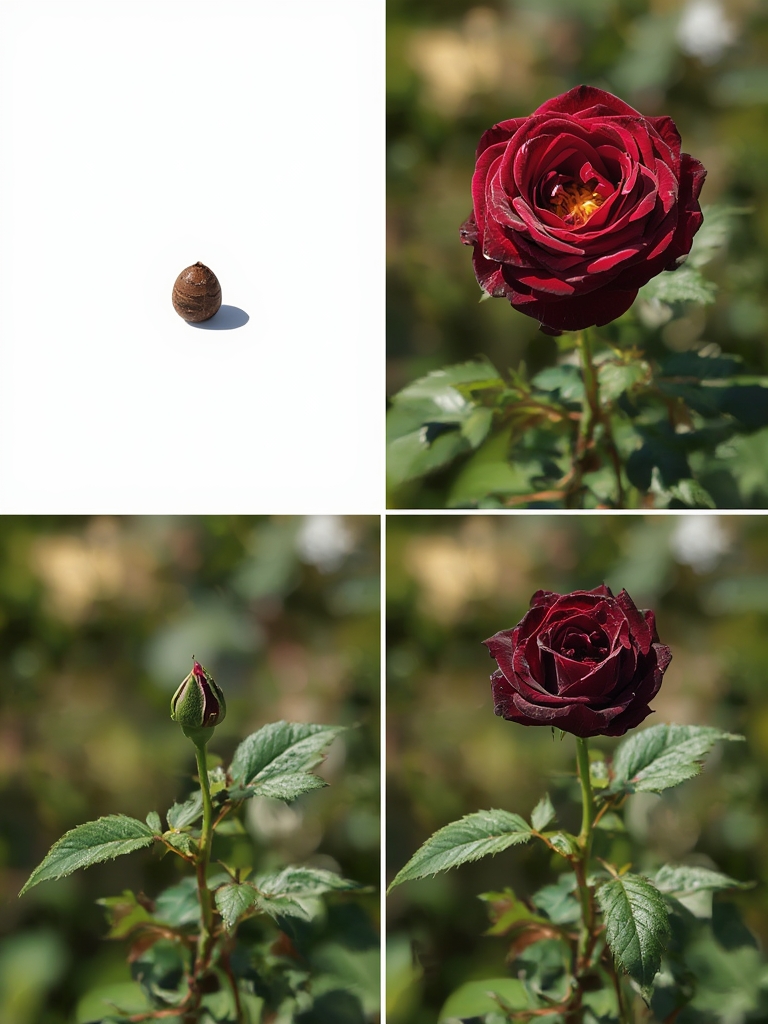
Prevention is key with black spot disease, so your management schedule should begin in early spring before symptoms appear. Most fungal spores become active when temperatures reach 65-75°F (18-24°C) with high humidity. Treatment typically continues throughout the growing season, with special vigilance during rainy periods and warm, humid weather.
For established infections, expect 2-3 weeks of regular treatment before seeing improvement. Complete recovery may take 4-6 weeks depending on severity, and preventative measures should continue throughout the growing season.
Step-by-Step Instructions
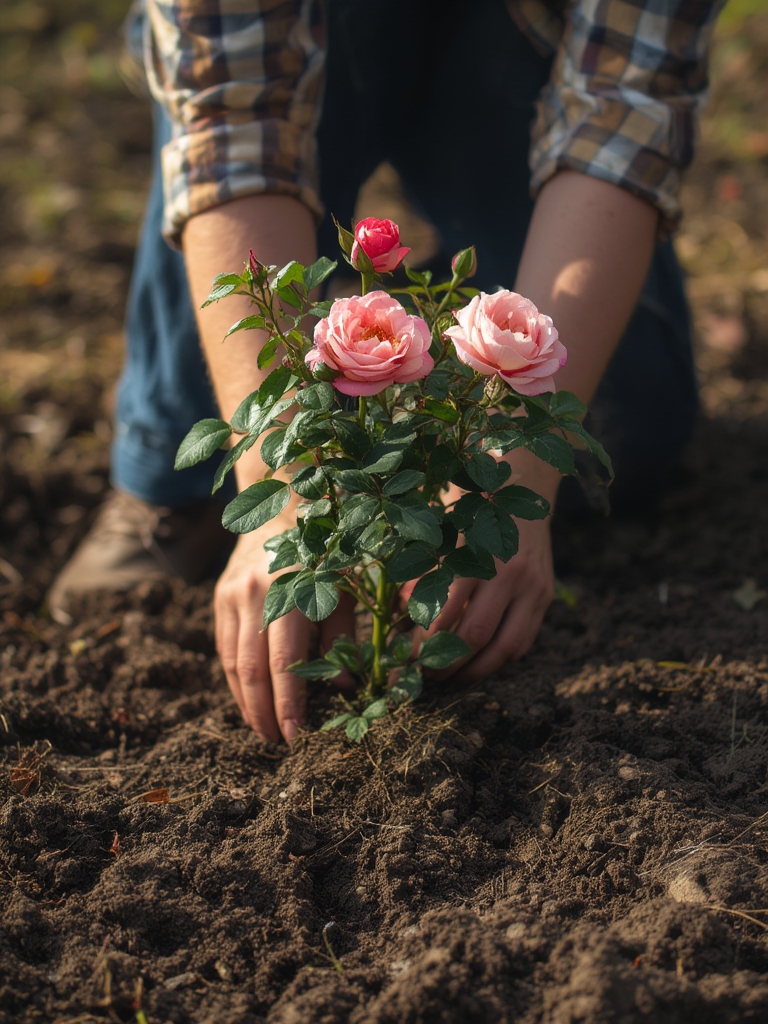
Identify the problem: Look for black circular spots with fringed edges on leaves, often starting at the bottom of the plant. Black Spot Roses will typically show yellowing around these spots before leaves drop.
Remove infected material: Prune away all affected leaves and stems, cutting at least 1 inch below any visible infection. Sanitize tools between cuts with alcohol to prevent spread.
Clear garden debris: Rake up and dispose of all fallen leaves and debris. Never compost infected material as the spores can survive.
Improve air circulation: Prune the center of rose bushes to create better airflow, which helps leaves dry faster after rain or watering.
Apply fungicide: Follow package directions for your chosen fungicide, applying thoroughly to all plant surfaces. Reapply after rain or as directed.
Benefits / Advantages
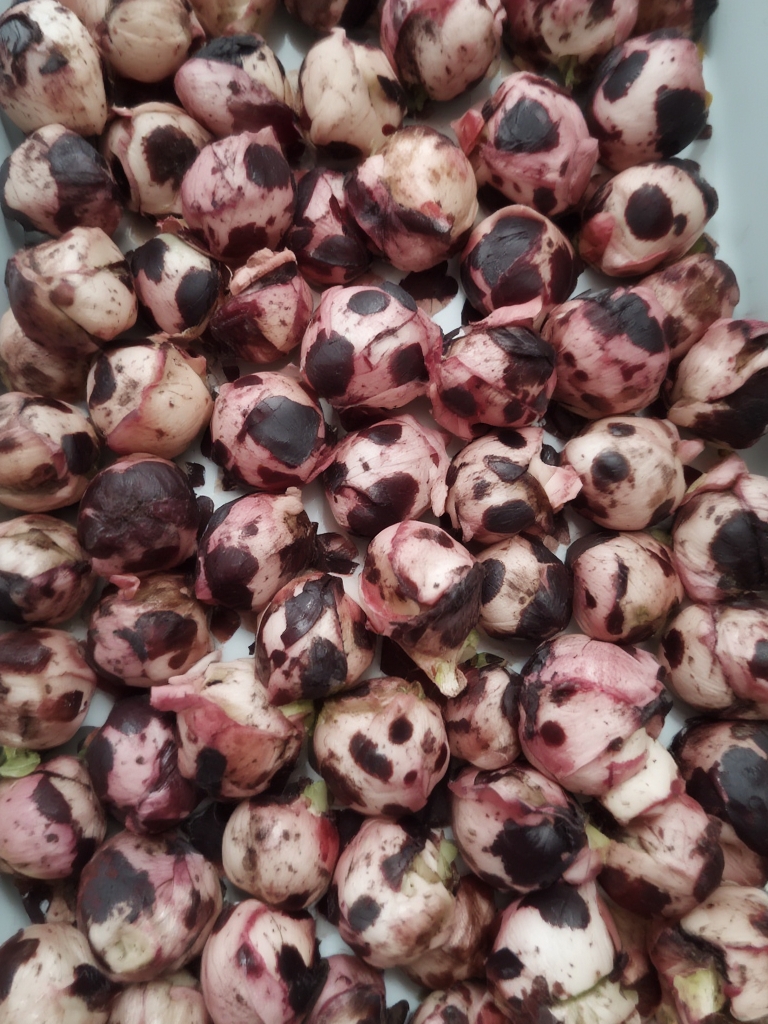
- Preserves the aesthetic beauty of your rose garden
- Increases bloom production by maintaining healthy foliage
- Extends the lifespan of your rose plants
- Prevents spread to other susceptible plants in your garden
- Reduces the need for chemical interventions when caught early
- Builds your gardening expertise and problem-solving skills
- Creates more resilient plants that can better withstand other stresses
Tips, Alternative Methods, or Gardening Advice
Consider planting black spot resistant rose varieties like ‘Knockout’ roses, ‘Carefree Beauty’, or ‘Bonica’ if you struggle with recurring infections. Space roses properly (3-4 feet apart) to maximize air circulation. Water at the base of plants in the morning to allow foliage time to dry. A baking soda solution (1 tablespoon baking soda, 1 tablespoon horticultural oil, 1 gallon water) can serve as a preventative spray for mild cases.
Common Mistakes to Avoid
- Overhead watering: This spreads spores and keeps foliage wet, creating ideal conditions for fungal growth.
- Improper spacing: Crowded roses have poor air circulation, encouraging disease.
- Delayed treatment: Waiting until the infection is widespread makes control much more difficult.
- Inconsistent fungicide application: Skipping treatments allows the disease to regain footing.
- Keeping fallen leaves: These harbor spores that reinfect plants in spring.
Maintenance Tips
Apply a 2-3 inch layer of mulch around roses to prevent spores from splashing from the soil onto leaves. Replace mulch annually. Avoid fertilizing during active infections as new growth is more susceptible. In fall, perform a thorough cleanup, removing all leaves from around rose plants. Consider a dormant oil spray in late winter to smother overwintering spores.
Conclusion
Managing Black Spot Roses requires diligence and a multi-faceted approach, but the reward of healthy, vibrant roses is worth the effort. By combining good cultural practices with timely Fungicide for roses applications, you can keep this common disease under control. Remember that prevention is always easier than cure, so establish good habits early in the season for the best results. Share your success stories or questions about rose care in the comments below!
FAQs
Is black spot harmful to humans or pets?
No, black spot is specific to roses and some other plants. It poses no health risk to humans or animals.
Can I use the same fungicide for all types of rose diseases?
While some fungicides treat multiple diseases, it’s best to identify the specific problem and use products targeted for that issue for optimal results.
Will my roses recover completely after black spot treatment?
With proper treatment, roses can recover fully, though severely infected plants may take a full season to regain their vigor.
Should I avoid planting roses if I’ve had black spot problems before?
Instead of avoiding roses altogether, choose resistant varieties and implement good cultural practices to prevent recurrence.
How often should I apply fungicide during rainy periods?
During extended rainy periods, most fungicides need reapplication every 7-10 days, but always follow the product’s specific instructions.