
Avoid Compost Overuse: Best 3 Key Tips
Have you been wondering why your garden plants suddenly look stressed despite regular compost applications? Many home gardeners fall into the trap of thinking that if a little compost is good, a lot must be better. Compost Overuse is a surprisingly common issue that can actually harm your plants rather than help them thrive.
Table of Contents
When we add too much organic matter to our soil, we risk creating Nutrient Imbalance in the growing environment. This can lead to salt buildup, excessive nitrogen, and changes in soil pH that negatively impact plant health. Understanding the proper balance is key to sustainable and productive gardening.
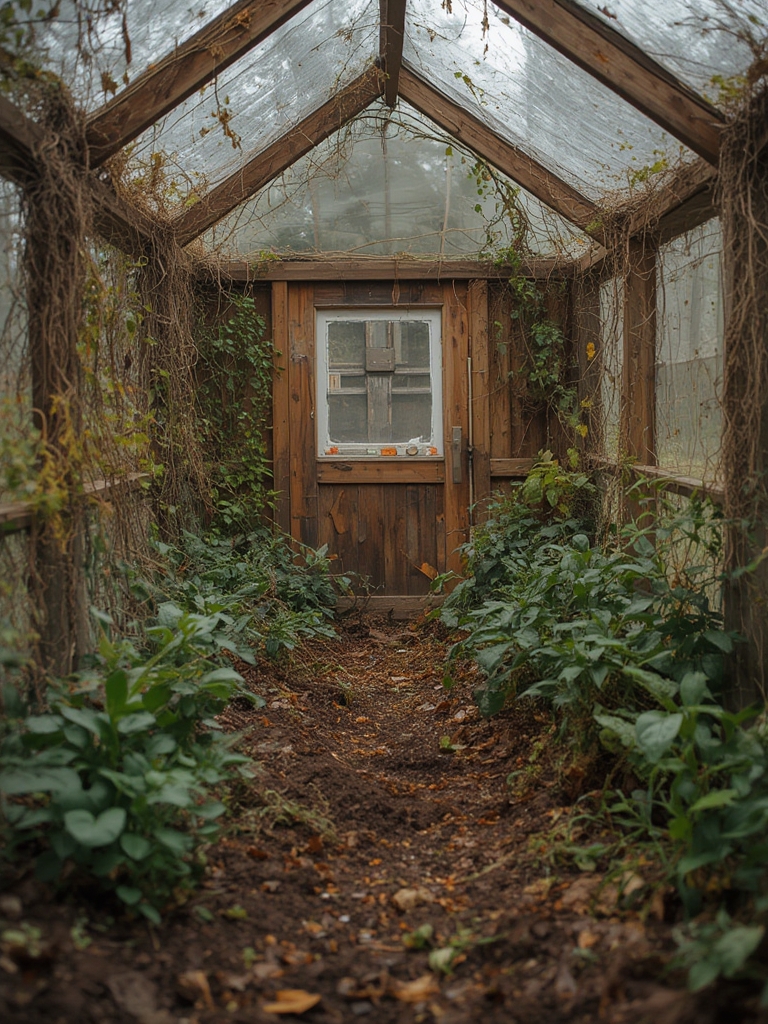
Materials & Supplies
To properly manage compost application and avoid nutrient problems, you’ll need:
- Soil testing kit – Essential for monitoring nutrient levels and pH
- Garden scale or measuring cups – For accurate compost application rates
- Balanced fertilizers – To supplement specific nutrients when needed
- Garden fork or tiller – For proper incorporation of compost
- Organic matter alternatives – Like leaf mold, well-rotted manure, or commercial soil amendments
- pH adjustment materials – Such as lime or sulfur based on test results
- Pruning shears – To remove affected plant parts if damage occurs
- Watering can or irrigation system – To help flush excess nutrients if necessary
Timing / Growing Schedule
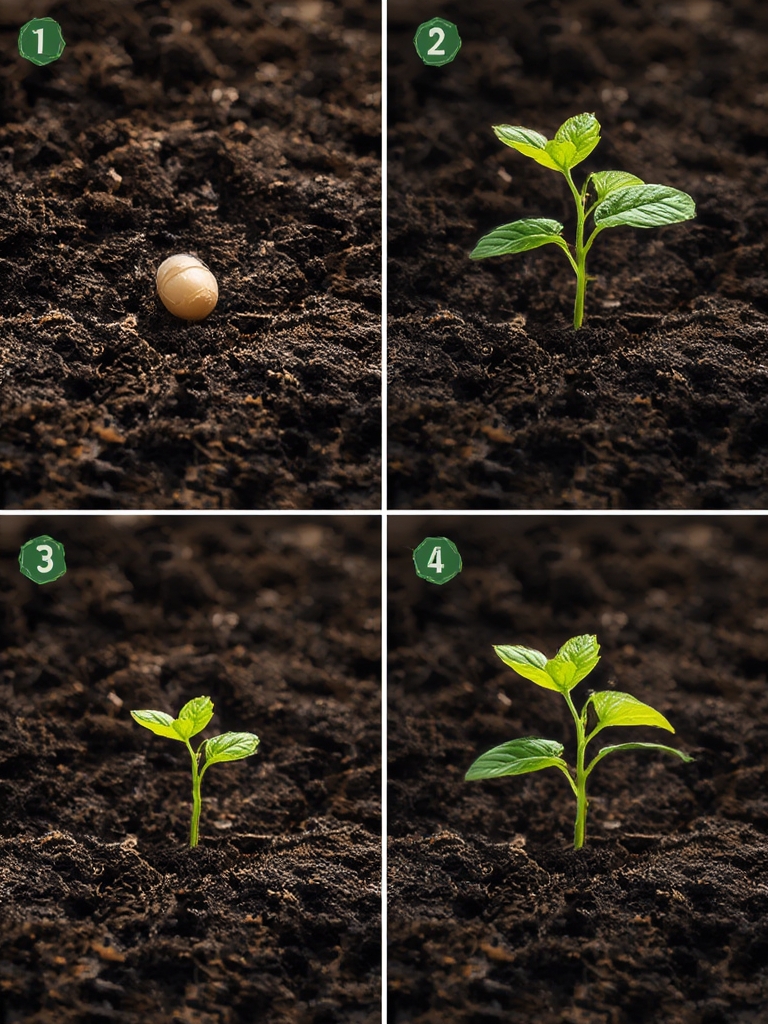
Initial Recovery Period (2-4 weeks): If you’re dealing with compost overuse, expect to spend the first month addressing immediate symptoms and stabilizing soil conditions.
Soil Remediation (1-3 months): The process of rebalancing soil can take several months, depending on severity. Spring and fall are ideal times to address soil issues, allowing recovery before main growing seasons.
Monitoring Period (Ongoing): Plan for regular soil testing every 6-12 months, with small compost additions (no more than 1-2 inches) only once or twice per year.
Step-by-Step Instructions
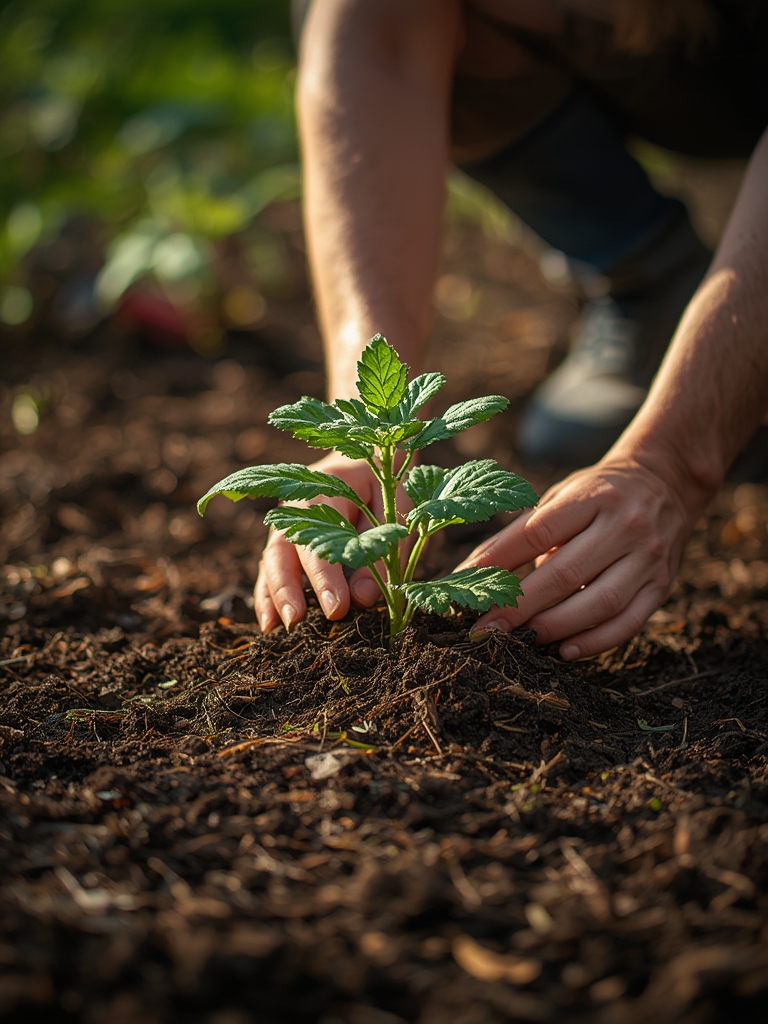
Assess the damage: Look for symptoms like leaf yellowing, stunted growth, or wilting despite adequate water. These can indicate Compost Overuse and resulting Nutrient Imbalance.
Test your soil: Use a home testing kit or send samples to a local extension service to determine exact nutrient levels and pH.
Flush the soil: If tests show excessive nutrients, water deeply several times to help leach out soluble salts and nutrients.
Add remediation materials: Based on test results, incorporate materials that will help restore balance (like gypsum for sodium issues or sulfur for high pH).
Dilute with clean soil: For container gardens or raised beds, mix in fresh, unamended soil to dilute the over-composted medium.
Replant carefully: Choose resistant plants for affected areas or wait until soil tests show improvement.
Implement proper compost practices: Going forward, limit compost to 1-2 inches annually, incorporated into the top 6 inches of soil.
Benefits / Advantages
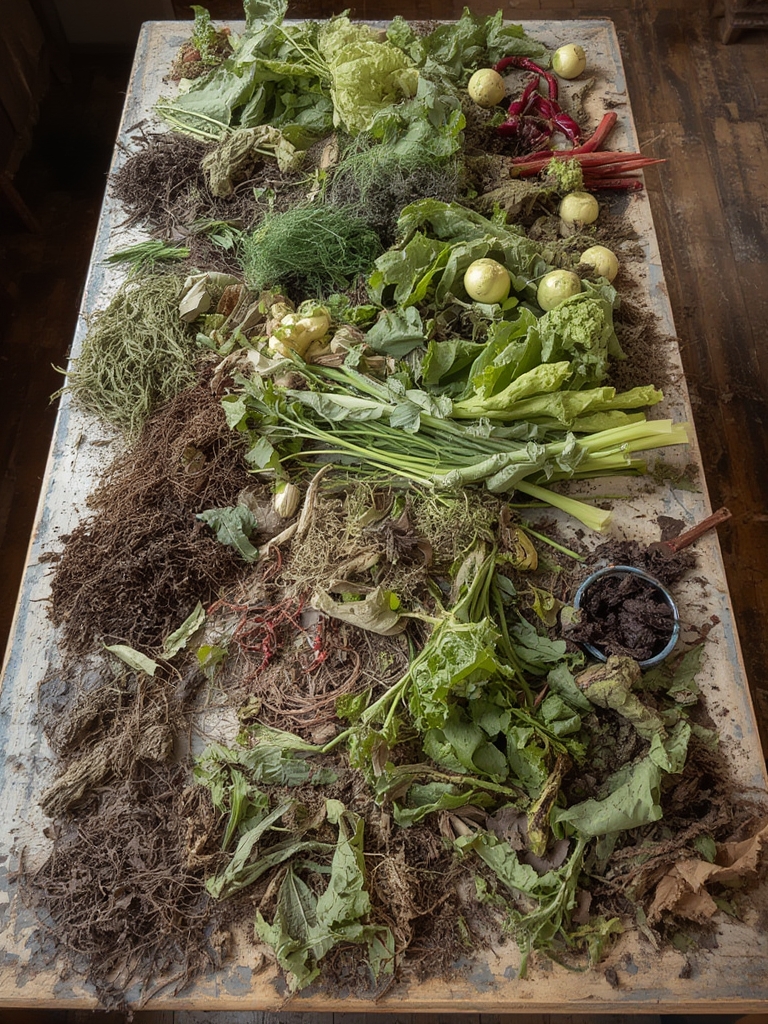
- Improved plant health: Properly balanced soil promotes stronger, more disease-resistant plants
- Water conservation: Balanced soil requires less frequent watering as plants uptake moisture more efficiently
- Cost savings: Using the right amount of compost and amendments saves money and resources
- Sustainable gardening: Proper organic matter management supports long-term soil health and microbial activity
- Higher yields: Plants grown in balanced soil produce more abundant, nutritious harvests
Tips, Alternative Methods, or Gardening Advice
- Compost tea instead: Use diluted compost tea for a gentler approach to adding organic matter
- Mulching alternatives: Consider wood chips, straw, or leaf mulch that break down more slowly
- Cover cropping: Plant cover crops to add organic matter naturally rather than applying finished compost
- Vertical and container gardens: Use precise soil mixes with measured compost amounts for controlled growing environments
- Lasagna gardening: Build soil layers carefully, balancing carbon and nitrogen materials
Common Mistakes to Avoid
- Adding compost yearly without testing: Always test before adding more organic matter
- Assuming organic means “can’t harm”: Natural materials can still create imbalances if overused
- Using fresh compost: Using uncomposted materials can cause nitrogen tie-up and other issues
- Ignoring plant symptoms: Yellowing, burning leaf edges, and stunted growth are warning signs
- Applying the same rate everywhere: Different plants have different nutrient needs
Maintenance Tips
- Monitor plant growth and leaf color as indicators of nutrient status
- Water appropriately to prevent salt buildup from compost
- Consider foliar feeding with balanced nutrients if soil is temporarily compromised
- Rotate heavy and light feeding crops to utilize nutrients at different soil depths
- Maintain proper compost pile management to ensure quality finished product
Conclusion
Finding the sweet spot for compost application is an art that develops with experience. By understanding the signs of Compost Overuse and knowing how to correct Nutrient Imbalance, you can maintain a thriving, sustainable garden. Remember that moderation is key—compost is powerful medicine for your soil, but like any medicine, the correct dose matters. Start implementing these balanced practices today, and your plants will reward you with improved growth and productivity. How has your experience been with compost application? Share your story in the comments!
FAQs
How can I tell if I’ve added too much compost to my garden?
Look for symptoms including yellowing leaves, burned leaf edges, excessive foliage with poor flowering/fruiting, or plants wilting despite adequate water. A soil test will confirm nutrient levels.
Can I still use compost if I’ve had problems with overuse?
Yes, but reduce quantities significantly. Limit applications to ½-1 inch annually, incorporate well, and test soil regularly to monitor nutrient levels.
How long does it take for over-composted soil to recover?
Recovery typically takes 3-6 months, depending on severity, weather conditions, and remediation methods. Flushing with water can speed the process.
Is compost tea a safer alternative to direct compost application?
Yes, compost tea provides beneficial microbes and some nutrients in a more diluted, controlled form that’s less likely to create imbalances, making it ideal for sensitive plants.
Can I still grow vegetables in soil with too much compost?
Focus on heavy feeders like tomatoes, corn, and squash that can utilize higher nutrient levels, while avoiding sensitive crops like carrots and beans until balance is restored.