
Grow Strawberries: 7 Easy Tips
Have you ever dreamed of plucking sweet, juicy berries straight from your garden? Grow Strawberries in your backyard and experience the incomparable taste of homegrown fruit that store-bought varieties simply can’t match. The satisfaction of harvesting your own strawberries goes beyond flavor – it’s a rewarding experience that connects you with nature.
Table of Contents
Starting your Strawberry Planting journey doesn’t require extensive gardening knowledge or large spaces. With the right approach, even beginners can successfully cultivate these delightful red gems in gardens, containers, or hanging baskets. Let’s explore everything you need to know to grow these beloved fruits at home.
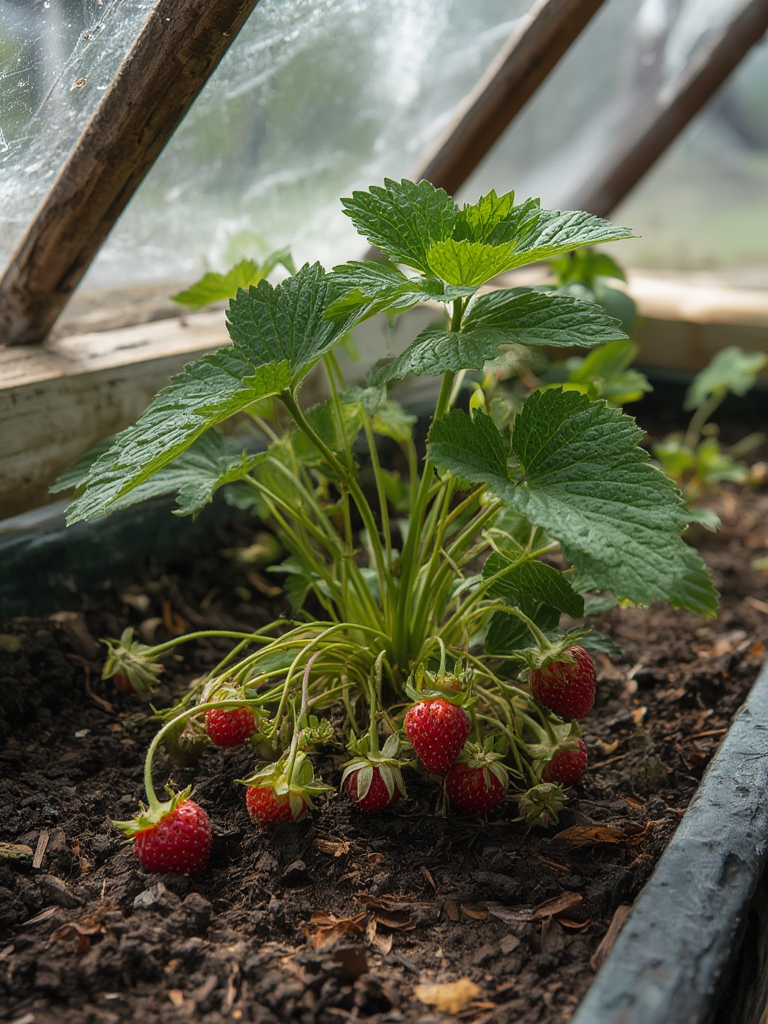
Materials & Supplies
- Strawberry Plants or Seeds: Choose between bare-root plants, seedlings, or seeds. June-bearing, everbearing, or day-neutral varieties each offer different harvest timelines.
- Quality Potting Soil: Look for well-draining soil with organic matter, ideally with a pH between 5.5 and 6.8.
- Containers or Garden Bed Space: Traditional garden beds, raised beds, or containers (at least 8 inches deep) all work well.
- Mulch: Straw, pine needles, or black plastic to retain moisture and prevent fruit contact with soil.
- Balanced Fertilizer: Low-nitrogen, high-phosphorus fertilizer specifically formulated for fruiting plants.
- Watering Can or Irrigation System: For consistent moisture delivery without overwatering.
- Garden Gloves and Basic Tools: Hand trowel, garden fork, and pruning shears.
- Netting or Bird Deterrents: Optional but helpful to protect ripening fruit from birds.
Timing / Growing Schedule
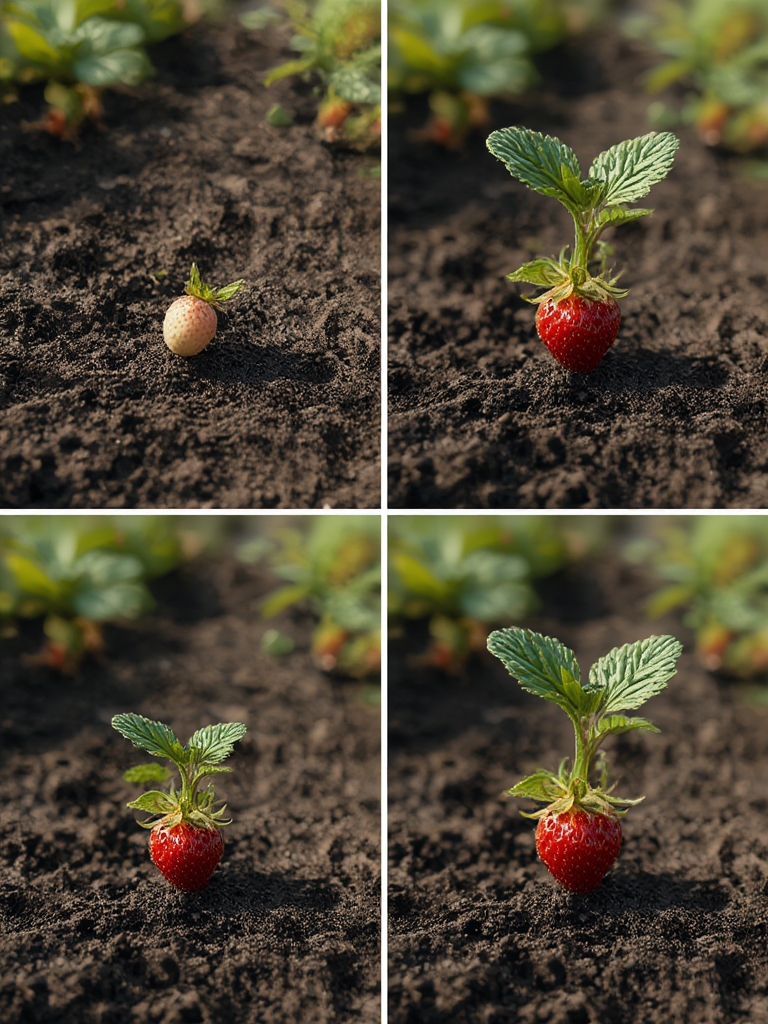
Spring planting (March-April) is ideal for most regions, allowing plants to establish before summer heat. In warmer zones (8-10), fall planting works well too. Expect 4-6 weeks from planting to first flowers and approximately 30 days from flowering to harvesting fruit. June-bearing varieties produce one large crop annually, while everbearing types offer two to three smaller harvests. Day-neutral varieties can produce continuously throughout the growing season if conditions remain favorable.
Most strawberry plants reach peak production in their second year and remain productive for 3-4 years before needing replacement. Plan for about 5-7 hours of initial setup time, followed by 20-30 minutes of weekly maintenance during the growing season.
Step-by-Step Instructions
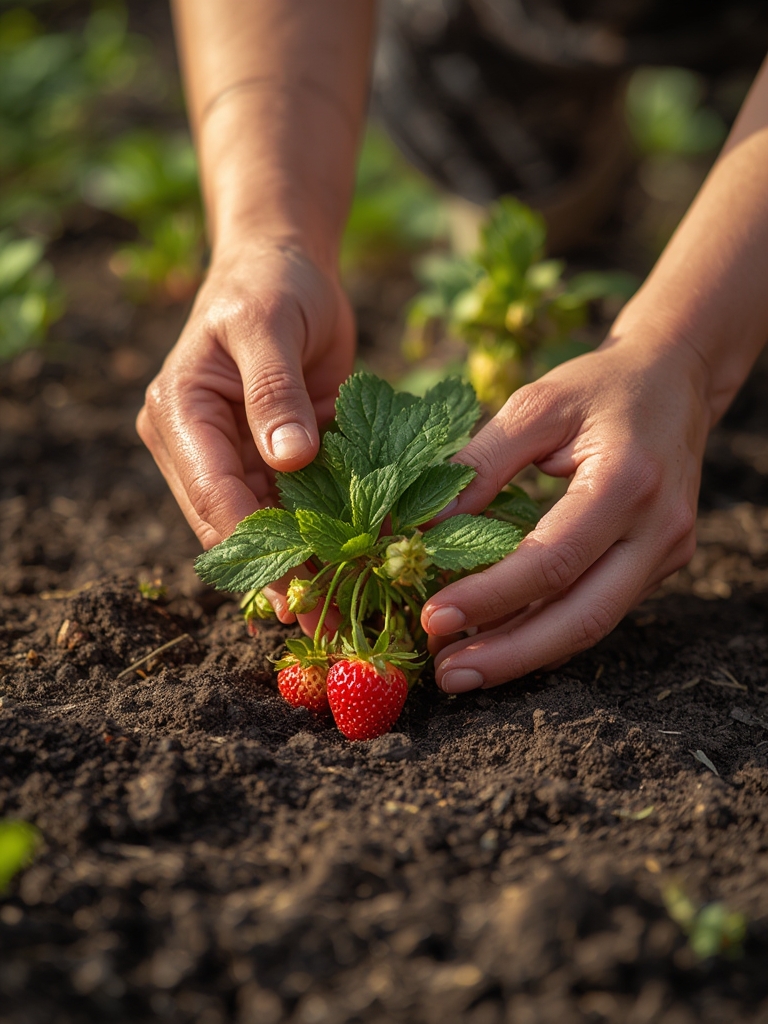
Select the Right Location: Choose a spot with 6-8 hours of direct sunlight daily. When you Grow Strawberries, proper sunlight exposure ensures sweet fruit development.
Prepare the Soil: Incorporate 2-3 inches of compost into garden soil, ensuring good drainage. For containers, use premium potting mix with added perlite.
Plant Properly: Space plants 12-18 inches apart, keeping the crown (where stems meet roots) at soil level—not too deep or shallow.
Water Consistently: Provide 1-1.5 inches of water weekly, focusing at the base of plants to avoid wetting foliage.
Apply Mulch: Add a 2-inch layer of mulch around plants to conserve moisture and minimize weed competition.
Manage Runners: During the first year of Strawberry Planting, remove runners to direct energy toward fruit production rather than expansion.
Harvest at Peak Ripeness: Pick berries when fully red, gently twisting the stem rather than pulling the fruit.
Benefits / Advantages
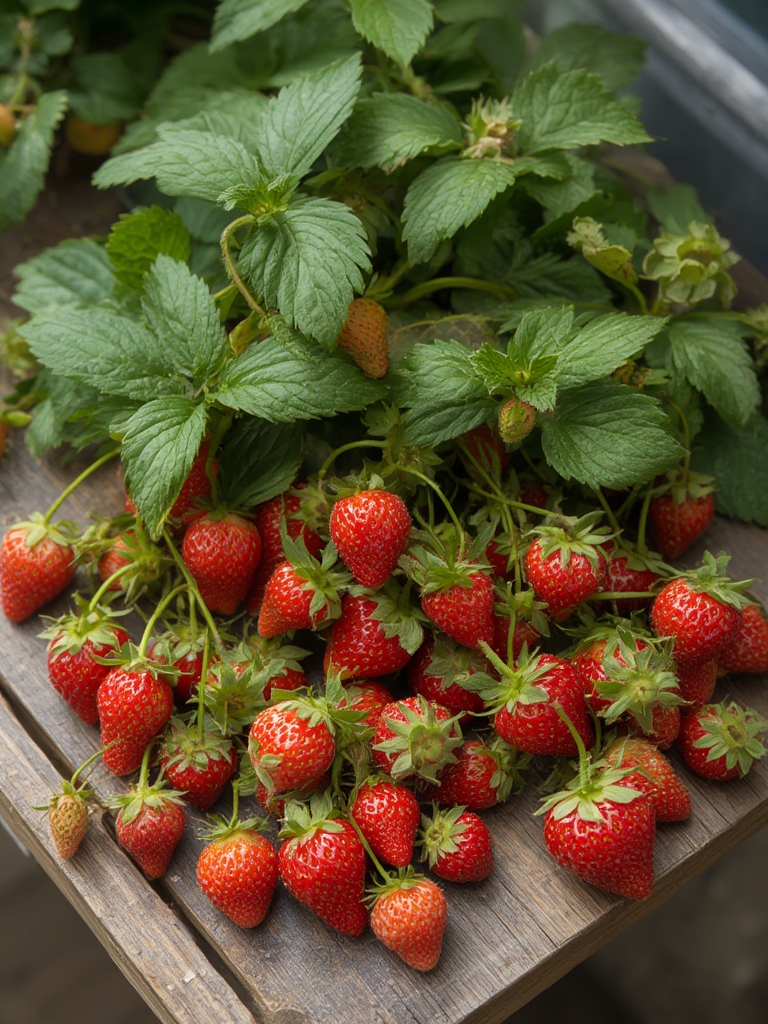
- Superior Flavor: Homegrown strawberries contain significantly higher levels of flavor compounds than commercially grown varieties.
- Nutritional Powerhouse: Rich in vitamin C, manganese, folate, and potent antioxidants that support heart health.
- Cost Effective: A modest initial investment yields years of harvests, saving hundreds of dollars on store-bought berries.
- Environmental Benefits: Home cultivation reduces carbon footprint associated with commercial growing and transportation.
- Educational Value: Perfect for teaching children about plant life cycles and food production.
Tips, Alternative Methods, or Gardening Advice
For limited space, try vertical systems like strawberry towers or hanging baskets. Alpine strawberries make excellent container specimens with small but intensely flavored berries. Consider strawberry varieties suited to your climate—’Ozark Beauty’ for hot regions or ‘Honeoye’ for colder areas.
For continuous harvests, plant multiple varieties with different bearing times. Interplant with companion plants like borage or thyme to attract pollinators and deter pests naturally. In extremely hot climates, provide afternoon shade to prevent leaf scorch and fruit damage.
Common Mistakes to Avoid
- Overcrowding Plants: This reduces air circulation, increasing disease risk. Solution: Maintain proper spacing and promptly remove excess runners.
- Incorrect Planting Depth: Burying crowns leads to rot; planting too shallow exposes roots. Solution: Align crown with soil surface.
- Overwatering: Leads to root rot and fruit spoilage. Solution: Ensure soil is moist but not soggy, and water at plant base.
- Ignoring Renovation: Skipping post-harvest renovation reduces future yields. Solution: Mow or trim foliage to 1 inch after harvest ends.
- Harvesting Prematurely: Picking underripe fruit sacrifices flavor. Solution: Wait until berries are completely red with no white shoulders.
Maintenance Tips
Water deeply 1-2 times weekly rather than frequent shallow watering. Apply balanced organic fertilizer in early spring and after first harvest. Remove spent flowers and damaged leaves regularly. Renovate June-bearing varieties after harvest by trimming foliage and thinning plants.
Store harvested berries unwashed in the refrigerator for 2-3 days maximum. For longer preservation, freeze whole berries on trays before transferring to storage containers. Replace plants every 3-4 years as productivity declines.
Conclusion
Growing your own strawberries brings unmatched satisfaction and flavor that commercial options simply can’t deliver. Whether you Grow Strawberries in dedicated garden beds or containers on a balcony, the process connects you with the natural cycles of growth and rewards your efforts with delicious harvests.
Don’t let another season pass without experiencing the joy of Strawberry Planting in your own space. Start planning today, and by next summer, you’ll be enjoying the sweet fruits of your labor. We’d love to hear about your strawberry-growing adventures in the comments below!
FAQs
How many strawberry plants do I need per person?
For a family of four, plant 20-25 June-bearing plants or 40-50 everbearing plants to provide fresh eating and some preserving.
Can I grow strawberries from store-bought berries?
While possible, it’s not recommended. Seeds from commercial varieties may not germinate well, and resulting plants often don’t produce true-to-parent fruits.
Why are my strawberry leaves turning yellow?
Yellowing leaves typically indicate overwatering, nutrient deficiency, or leaf spot disease. Check soil moisture, apply balanced fertilizer, and remove affected leaves.
How do I protect strawberries from birds and pests?
Cover plants with floating row cover or netting once flowering begins. Remove covering during pollination hours and replace afterward until harvest.
Can strawberries be grown indoors year-round?
Yes, with sufficient light (natural or grow lights providing 8-10 hours daily), proper containers, and attention to pollination. Day-neutral varieties work best for indoor growing.