
3 Steps to Transplanting Cauliflower
Have you been growing cauliflower from seeds and wondering about the next crucial step? Transplanting Cauliflower seedlings properly can make the difference between stunted growth and beautiful, large, creamy-white heads in your garden. This process requires attention to timing and technique to ensure your plants thrive after moving from their starter containers to their permanent home.
Table of Contents
Before moving your cauliflower seedlings outdoors, hardening off cauliflower is an essential step that many gardeners overlook. This gradual acclimation process helps young plants adjust to outdoor conditions and significantly increases their chances of survival and productivity in your garden.
Materials & Supplies
To successfully transplant your cauliflower seedlings, gather these essential items:
- Healthy cauliflower seedlings (4-6 weeks old)
- Garden trowel or small shovel
- Garden gloves
- Organic compost or well-rotted manure
- Balanced vegetable fertilizer (10-10-10)
- Garden bed or containers (at least 12 inches deep)
- Watering can or hose with gentle spray attachment
- Row covers or shade cloth (optional for summer plantings)
- Plant markers or labels
- Mulch (straw or shredded leaves work well)
- pH testing kit (cauliflower prefers 6.0-7.0)
Timing / Growing Schedule
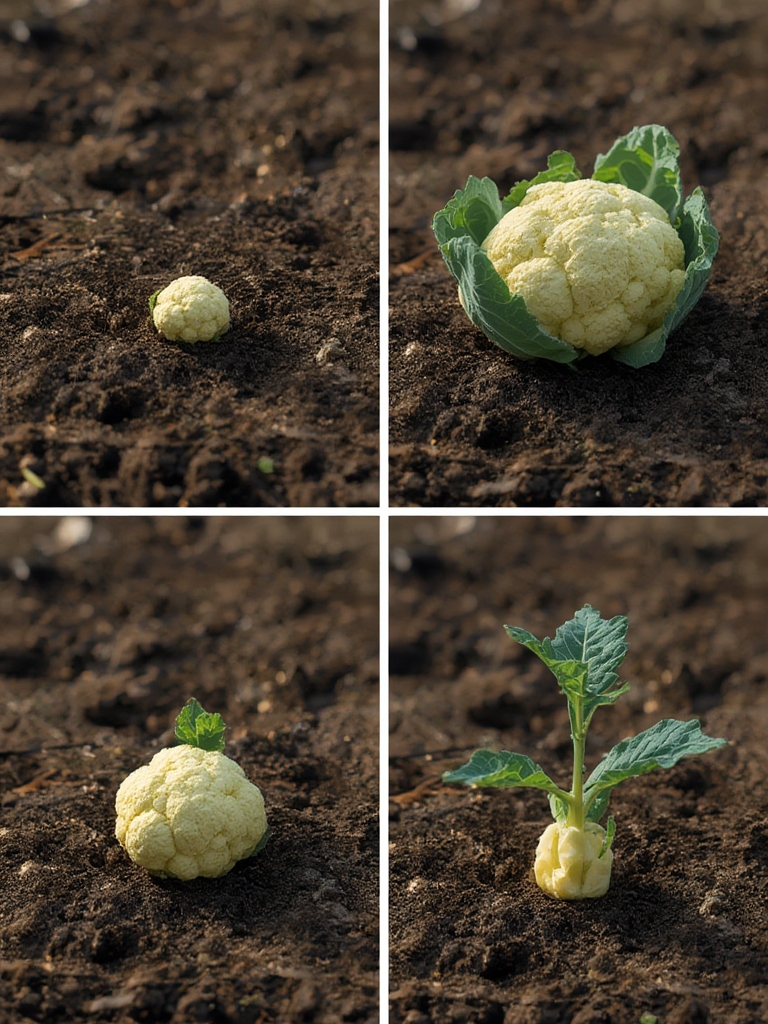
Cauliflower is a cool-season crop that performs best when temperatures are between 60-65°F (15-18°C). For spring crops, start seeds indoors 4-6 weeks before the last frost date, then transplant seedlings outside 2-3 weeks before the last frost. For fall crops, start seeds 10-12 weeks before the first expected frost and transplant when seedlings are 4-6 weeks old.
The entire growth period from transplant to harvest typically spans 50-80 days, depending on the variety. Timing is critical since cauliflower buttons (forms small, premature heads) when exposed to temperatures above 80°F (27°C) during the growing period.
Step-by-Step Instructions
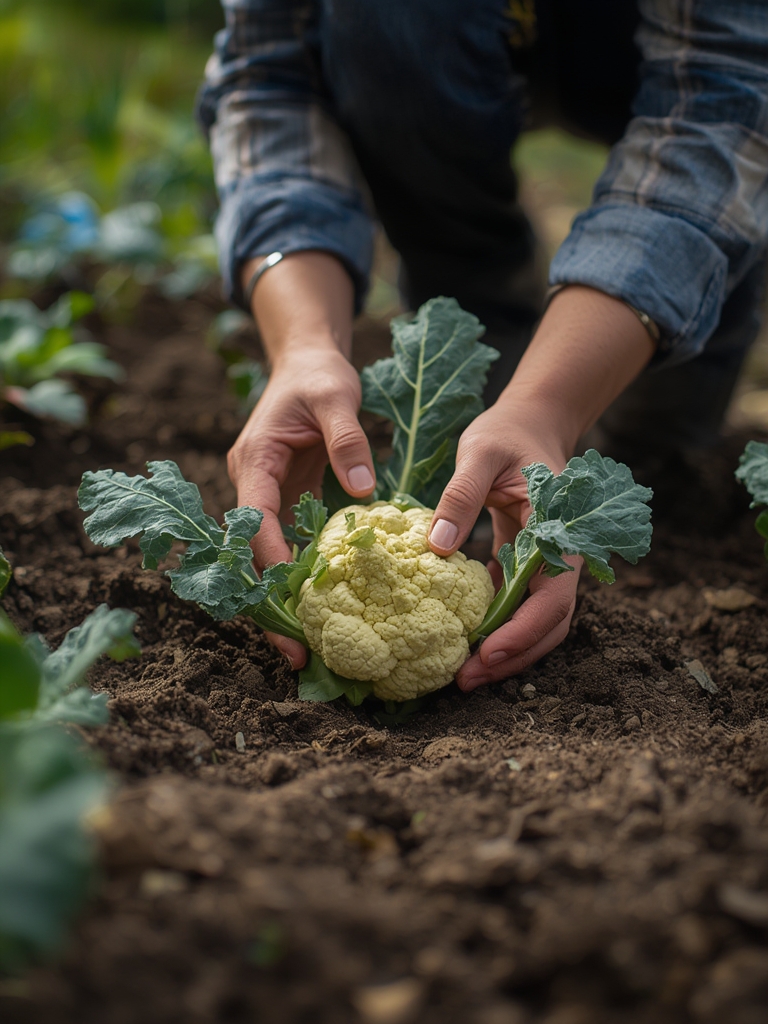
Prepare the garden bed: Amend soil with 2-3 inches of compost and incorporate a balanced fertilizer one week before transplanting cauliflower. Ensure the soil pH is between 6.0-7.0.
Harden off seedlings: One week before transplanting, begin hardening off cauliflower seedlings by placing them outdoors in a sheltered location for increasing periods each day, starting with 1-2 hours and gradually extending to all day.
Choose the right day: Transplant on a cloudy day or in the late afternoon to reduce transplant shock.
Space properly: Dig holes 18-24 inches apart in rows spaced 24-30 inches apart.
Transplant carefully: Remove seedlings gently from their containers, keeping the root ball intact. Plant at the same depth as they were growing previously.
Water thoroughly: Provide a deep, gentle watering immediately after transplanting.
Apply mulch: Spread 2-3 inches of organic mulch around plants to retain moisture and suppress weeds.
Benefits / Advantages
Growing cauliflower at home offers numerous benefits:
- Exceptional nutritional value with high vitamin C, vitamin K, and folate content
- No pesticides or chemicals when grown organically
- Superior flavor compared to store-bought varieties
- Satisfaction of growing a challenging vegetable successfully
- Reduced carbon footprint from eliminating transportation emissions
- Cost savings, especially with premium organic varieties
Tips, Alternative Methods, or Gardening Advice
For container growing, select varieties bred for compactness like ‘Snowball’ or ‘Amazing’. Use containers at least 12 inches deep and 12 inches in diameter per plant.
In warmer climates, provide afternoon shade to prevent buttoning. Consider using shade cloth during hot periods. Cauliflower grows best in raised beds in regions with poor drainage or heavy clay soils.
For an extended harvest, plant different varieties with staggered maturation dates. Self-blanching varieties like ‘Snowball Y’ eliminate the need for leaf-tying to protect the head from sunlight.
Common Mistakes to Avoid
Transplanting too late: Seedlings transplanted after 6 weeks often become rootbound and perform poorly.
Solution: Follow the recommended timing for your climate zone.Skipping the hardening off process: This leads to sunscald, wilting, and potential plant death.
Solution: Gradually acclimate plants over 7-10 days.Inadequate spacing: Crowded plants compete for nutrients and produce smaller heads.
Solution: Maintain the recommended 18-24 inch spacing.Inconsistent watering: Causes stress and buttoning.
Solution: Provide 1-1.5 inches of water weekly, more during hot weather.
Maintenance Tips
Water consistently, providing 1-1.5 inches weekly. Feed with a balanced fertilizer three weeks after transplanting. When the head begins to form (about the size of a golf ball), fold larger outer leaves over it to protect from sunlight and maintain whiteness.
Harvest when heads are firm, compact, and reach full size but before curds begin separating. Cut stems at an angle about 1-2 inches below the head. Store harvested cauliflower in the refrigerator for up to two weeks wrapped loosely in a damp paper towel inside a perforated plastic bag.
Conclusion
With proper timing and technique, transplanting cauliflower seedlings can lead to a rewarding harvest of this nutritious, versatile vegetable. Remember that hardening off cauliflower plants is not optional but essential for their successful establishment in your garden. The effort you invest in proper transplanting practices will pay off with beautiful, tasty cauliflower heads that far surpass anything you can purchase at the grocery store. Share your cauliflower growing success stories in the comments below or explore our other vegetable gardening guides for more tips!
FAQs
When is the best time to transplant cauliflower seedlings?
Transplant spring cauliflower 2-3 weeks before the last frost date and fall cauliflower when seedlings are 4-6 weeks old, about 6-8 weeks before the first frost date.
How deep should I plant cauliflower seedlings?
Plant seedlings at the same depth they were growing in their containers. Burying stems too deeply can cause rotting.
Can cauliflower be grown in containers?
Yes, use containers at least 12 inches deep and wide, with one plant per container for best results.
Why are my cauliflower heads turning yellow?
Yellowing heads usually indicate sun exposure. To keep heads white, fold larger outer leaves over the developing head or use self-blanching varieties.
How do I prevent cabbage worms on my cauliflower?
Use floating row covers from the time of transplanting, apply Bacillus thuringiensis (Bt) as a biological control, or handpick caterpillars regularly. Plant companion herbs like thyme, dill, and sage to repel cabbage moths.