
Too Much Compost? 7 Easy Solutions
Have you ever wondered if your garden can have too much of a good thing? When it comes to composting, the answer might surprise you. Too Much Compost can actually harm your plants rather than help them thrive. Many gardeners enthusiastically add compost to their soil, believing more is always better, only to discover their plants showing signs of distress.
Table of Contents
The excess nitrogen and nutrients from overcomposting can lead to compost burn, where plant roots become damaged from concentrated nutrients. This common issue affects both novice and experienced gardeners alike but can be easily remedied with proper understanding of composting basics.

Materials & Supplies
- Soil Testing Kit: Essential for determining existing nutrient levels before adding compost
- Garden Fork or Tiller: For incorporating compost into soil properly
- Measuring Tools: Buckets or wheelbarrow to measure compost quantities accurately
- Quality Compost: Either store-bought or homemade, properly aged
- Garden Gloves: For protection when handling compost materials
- Watering Can or Hose: For moistening compost when mixing with soil
- pH Meter: Optional but helpful for monitoring soil acidity levels
- Rake: For evenly distributing compost across planting areas
Timing / Growing Schedule
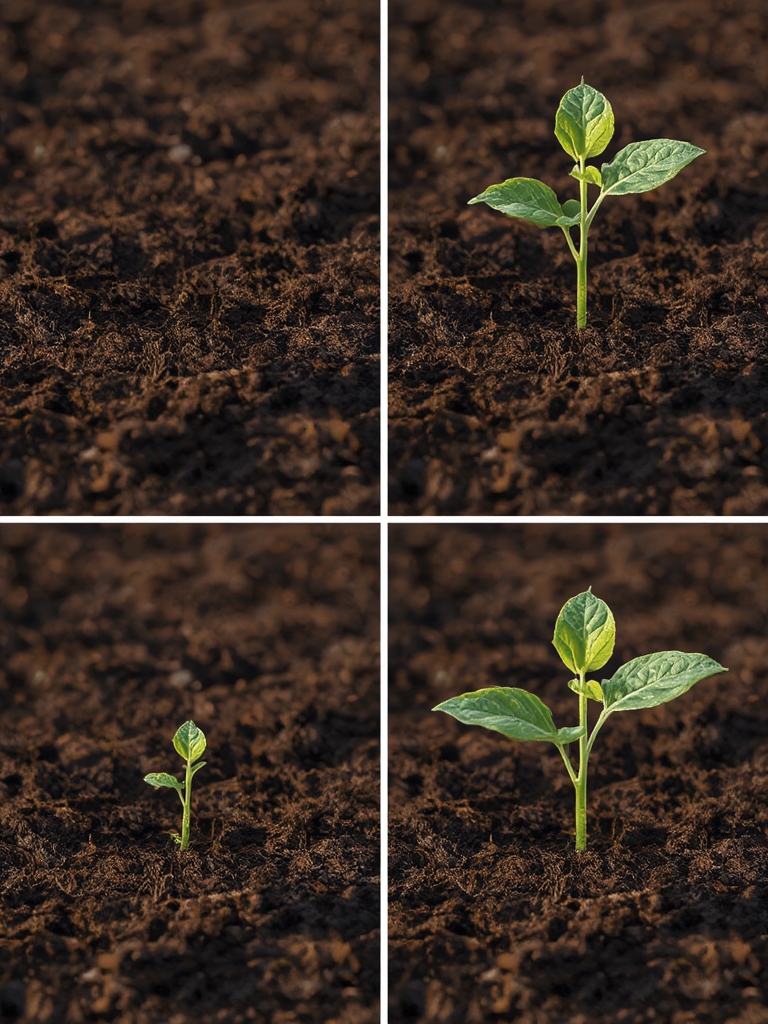
Fall and early spring are ideal seasons for incorporating compost into garden beds, allowing nutrients to integrate before active growing seasons. For established gardens, apply a thin layer (½-1 inch) of compost once or twice yearly rather than heavy applications. New gardens may require 2-3 inches initially, but subsequent applications should be more conservative.
Allow 2-4 weeks between compost application and planting for sensitive seedlings to prevent nutrient shock. When amending container gardens, limit compost to 20-30% of the total growing medium to prevent nutrient overload.
Step-by-Step Instructions
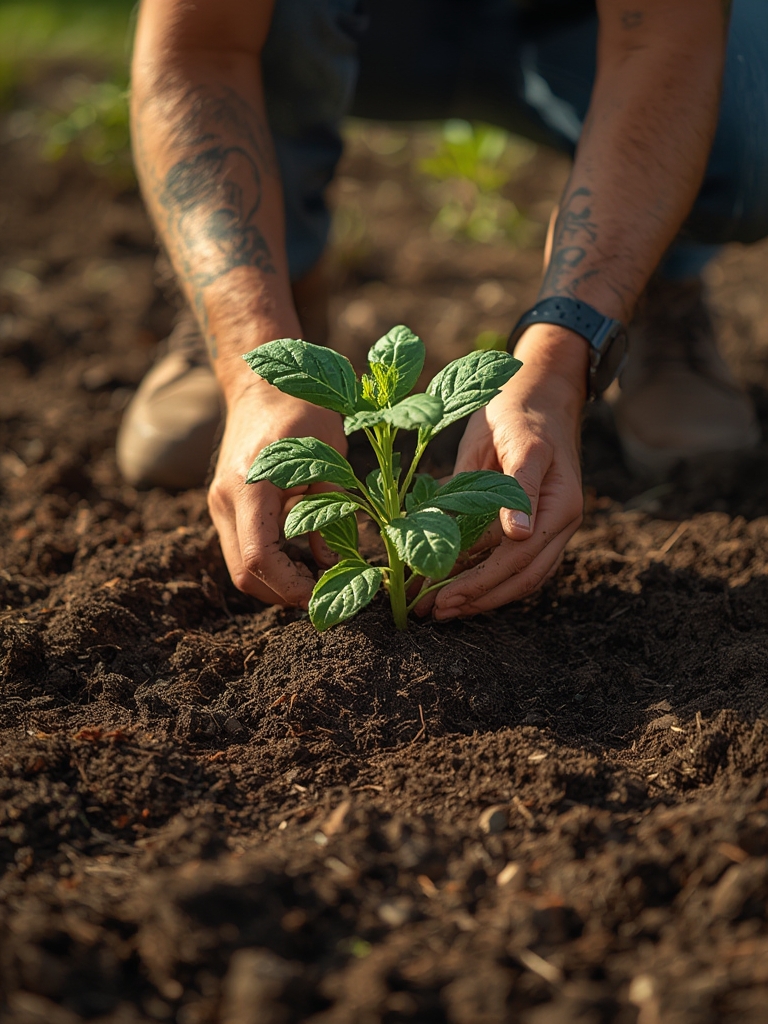
- Test your soil: Before adding any compost, understand your soil’s current nutrient levels using a soil test kit.
- Calculate appropriate amounts: For most gardens, use no more than 1-2 inches of compost per application.
- Distribute evenly: Spread compost in a thin, uniform layer across your garden bed.
- Incorporate properly: Gently work compost into the top 2-4 inches of soil rather than leaving it sitting on top.
- Water thoroughly: After adding compost, water deeply to help nutrients begin breaking down properly.
- Monitor plants closely: Watch for signs of compost burn like yellowing leaves or stunted growth.
- Dilute if necessary: If you suspect Too Much Compost, flush the soil with water to dilute concentrated nutrients.
Benefits / Advantages
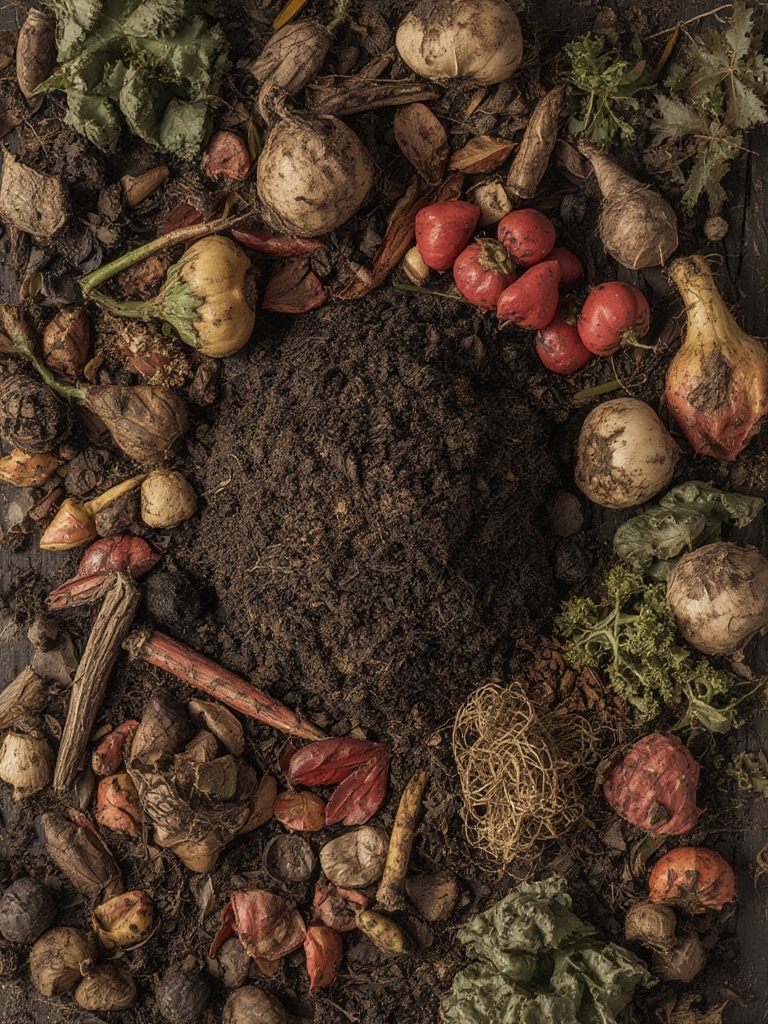
- Improved Soil Structure: Proper amounts of compost enhance soil texture and drainage
- Balanced Nutrient Delivery: When used correctly, compost provides slow-release nutrition
- Waste Reduction: Home composting reduces kitchen and yard waste going to landfills
- Cost Savings: Making your own compost reduces the need for purchased fertilizers
- Environmental Protection: Reduces chemical fertilizer use and associated runoff issues
- Microbial Health: Encourages beneficial soil organisms that support plant immunity
Tips, Alternative Methods, or Gardening Advice
For container gardens, use compost more sparingly—just 10-15% of the total medium. Consider compost tea as an alternative to direct application, diluting the nutrient impact while still benefiting plants. In raised beds, mix compost thoroughly with existing soil rather than creating distinct layers. For heavy feeders like tomatoes, use compost as a side dressing during the growing season rather than incorporating large amounts at planting time.
Common Mistakes to Avoid
- Adding fresh, uncomposted materials: Ensure compost is fully decomposed before application
- Ignoring plant-specific needs: Some plants prefer lean soil and suffer with excess nutrients
- Failing to mix thoroughly: Layering uncomposted materials can create hot spots that damage roots
- Using compost as mulch: Compost dries out quickly and doesn’t provide the protection of proper mulch
- Overlooking seasonal timing: Adding compost during active growth can shock plants
Maintenance Tips
Monitor plant health after compost application, watching for unusual growth or discoloration. Store unused compost in a cool, covered location to preserve beneficial microorganisms. For perennial beds, apply compost in early spring before new growth emerges. Rotate compost applications in vegetable gardens based on crop nutrient needs, focusing on heavy feeders and reducing for light feeders.
Conclusion
Finding the right balance with compost is key to gardening success. While Too Much Compost can damage plants through nutrient overload and potential compost burn, the right application can transform your garden’s productivity. Remember that moderation is essential—a light touch with compost often yields the best results. Start conservatively, observe your plants’ response, and adjust accordingly for a thriving, balanced garden ecosystem.
FAQs
How can I tell if I’ve added too much compost?
Look for yellowing leaves, stunted growth, or leaf burn. Plants may initially appear to thrive but then decline rapidly as roots become damaged.
Can I fix soil with excessive compost?
Yes, thoroughly water the area to leach out excess nutrients and consider mixing in some sand or regular garden soil to dilute the compost concentration.
Is homemade compost less likely to cause problems than store-bought?
Not necessarily. Both can cause issues if overused, though homemade compost may vary more in nutrient content.
How long should I wait after adding compost before planting?
For most gardens, wait 2-4 weeks after incorporating compost before planting sensitive crops or seedlings.
Can certain plants tolerate more compost than others?
Yes, heavy feeders like tomatoes, corn, and pumpkins can handle more compost than herbs and root vegetables, which often prefer leaner soil conditions.