
7 Basil Growing Tips & Benefits
Have you ever walked into a garden and been captivated by the aromatic scent of fresh herbs? Growing your own herbs at home can transform your culinary experiences and elevate your dishes to restaurant quality. Basil is one of the most versatile and rewarding herbs to cultivate, even for beginners with limited space or experience. The satisfaction of snipping fresh leaves for your homemade pasta sauce is unmatched.
Table of Contents
Many home gardeners pair Parsley with basil in their herb gardens, creating a powerhouse duo for cooking and garnishing. These two herbs complement each other perfectly in both growth requirements and culinary applications. With minimal investment and just a few simple steps, you can enjoy a continuous harvest of fresh herbs right from your windowsill.
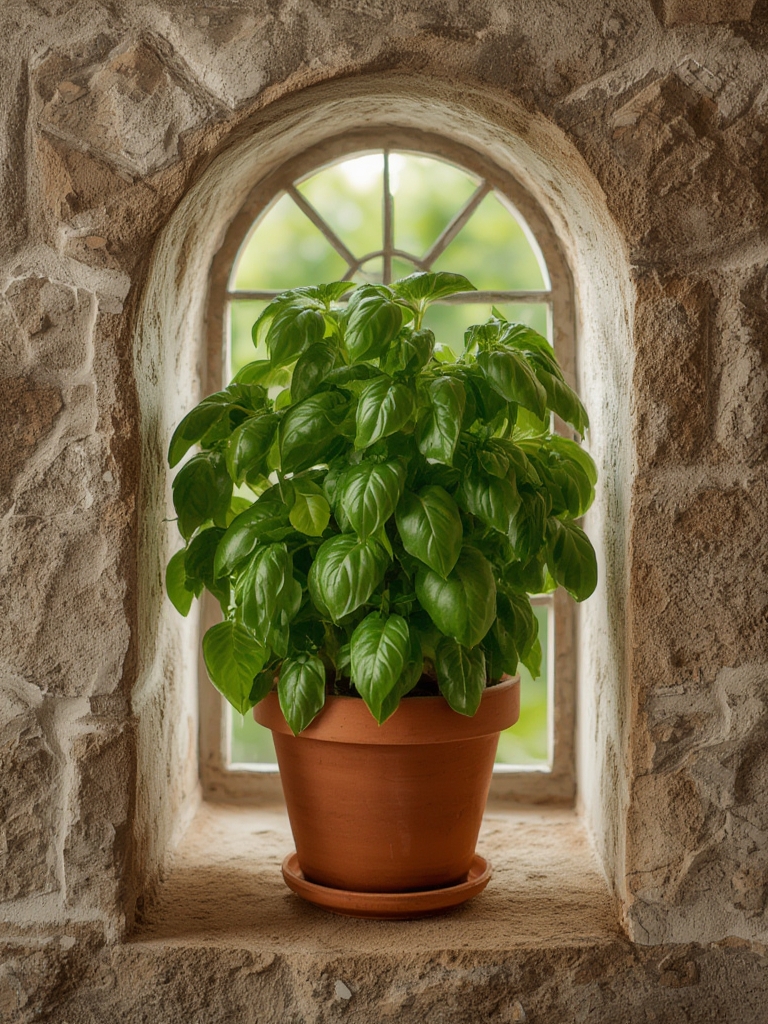
Materials & Supplies
To successfully grow basil at home, you’ll need:
- Seeds or seedlings: Choose high-quality basil seeds or pre-started seedlings from a reputable nursery
- Container: A 6-8 inch pot with drainage holes (terracotta works exceptionally well)
- Potting mix: Nutrient-rich, well-draining soil specifically formulated for herbs
- Watering can: With a gentle spray to avoid disturbing young plants
- Liquid fertilizer: Organic, balanced formula (optional but recommended)
- Pruning shears: Small, clean scissors for harvesting
- Plant labels: To identify different varieties if growing multiple herbs
- Spray bottle: For misting leaves during dry conditions
- Seed starting tray: If starting from seeds (optional)
- Grow lights: For indoor growing in low-light conditions (optional)
Timing / Growing Schedule
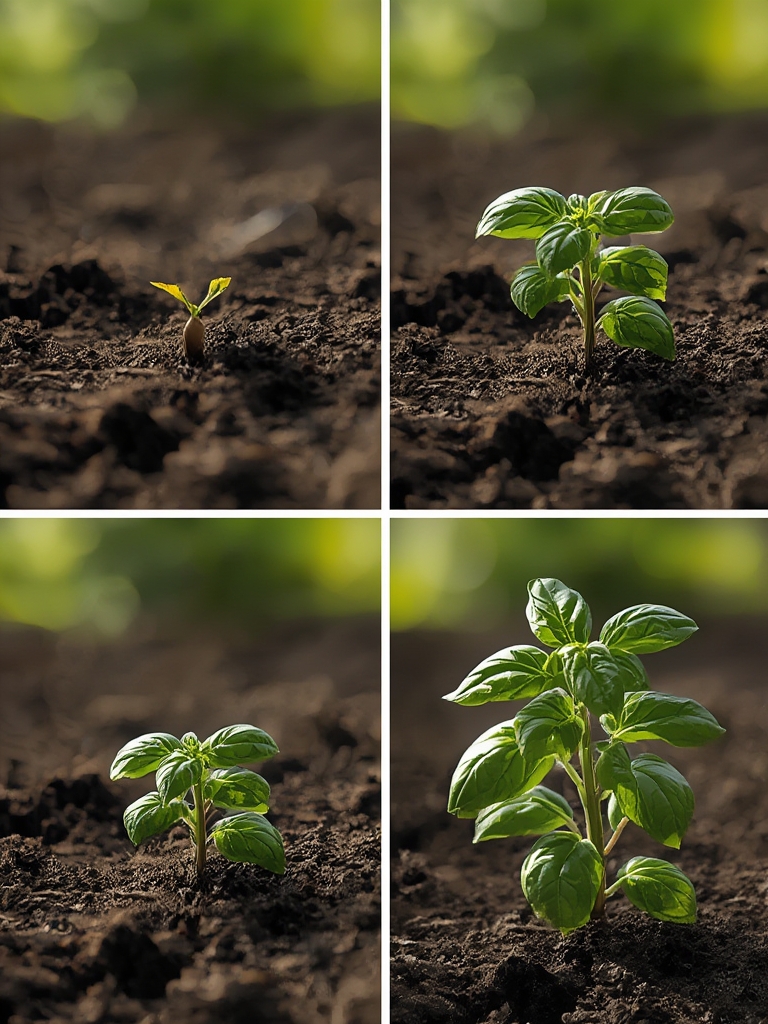
Basil has a relatively quick growth cycle, making it ideal for impatient gardeners. When starting from seed, expect germination within 5-10 days under optimal conditions. Seedlings will develop their first true leaves within 2-3 weeks, and you can begin light harvesting after 6-8 weeks. A mature basil plant will produce continuously for 4-6 months with proper care before flowering and declining in flavor quality.
For northern climates, start seeds indoors 6 weeks before the last frost. In warmer regions, basil can be direct-sown after temperatures consistently remain above 50°F (10°C) at night. For continuous harvesting, plant new seeds every 3-4 weeks throughout the growing season.
Step-by-Step Instructions
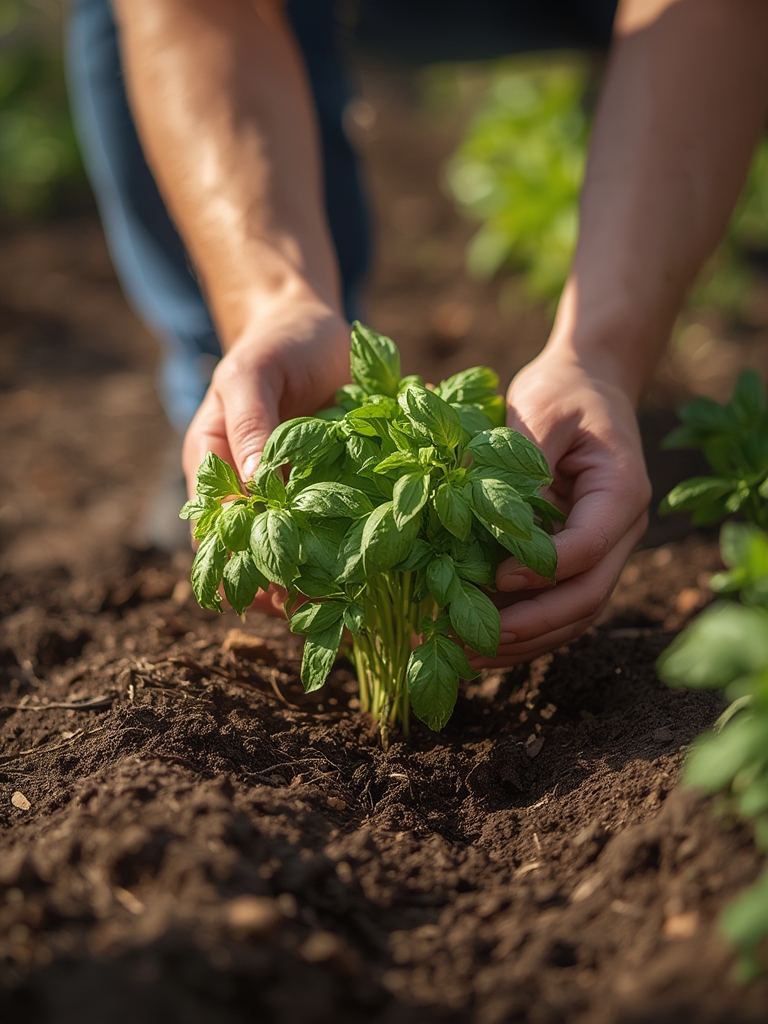
Prepare your container: Fill your pot with high-quality potting mix, leaving 1 inch of space at the top. Moisten the soil thoroughly before planting.
Plant seeds or seedlings: For seeds, scatter lightly on the surface and cover with ¼ inch of soil. For seedlings, dig a hole slightly larger than the root ball and place carefully.
Provide optimal growing conditions: Position in a location that receives 6-8 hours of sunlight daily. Basil thrives in warm environments (65-85°F).
Water properly: Keep soil consistently moist but never soggy. Water at the base to avoid wetting the leaves, which can lead to disease.
Fertilize monthly: Apply a diluted liquid fertilizer to promote lush growth. Parsley and basil benefit from similar feeding schedules, making them perfect companions.
Harvest correctly: Pinch stems just above a leaf intersection to encourage bushier growth and prevent flowering, which diminishes flavor.
Benefits / Advantages
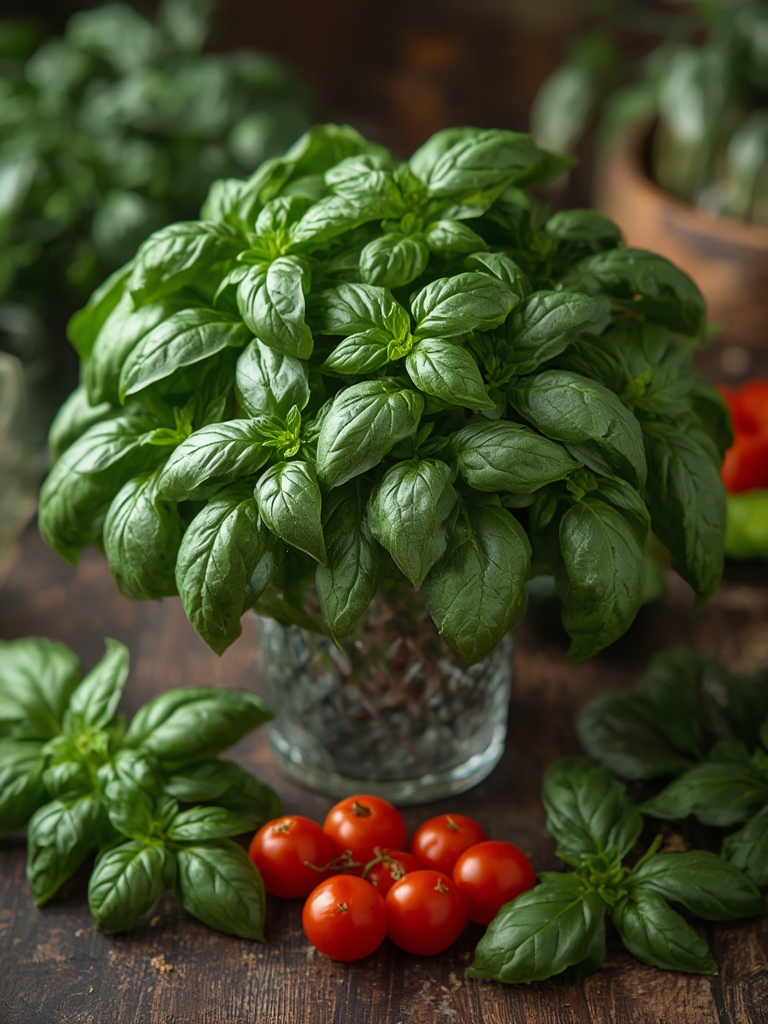
Growing basil at home offers numerous advantages:
- Superior flavor: Home-grown basil contains significantly more essential oils than store-bought
- Cost savings: A single plant can provide $25-30 worth of fresh herbs
- Health benefits: Rich in vitamin K, calcium, and powerful antioxidants
- Aromatherapy: The scent reduces stress and improves mental clarity
- Pest control: Repels mosquitoes and flies naturally when grown outdoors
- Sustainability: Eliminates packaging waste and transportation emissions
Tips, Alternative Methods, or Gardening Advice
For limited space, try these creative growing methods:
- Vertical gardening: Hang basil in wall-mounted planters to maximize space
- Hydroponics: Grow without soil in water-based systems for faster growth
- Companion planting: Plant alongside tomatoes to improve flavor and deter pests
- Indoor options: Cultivate in a sunny window or under grow lights year-round
- Microgreens: Harvest basil as nutrient-dense baby greens in just 14 days
Common Mistakes to Avoid
- Overwatering: Causes root rot and fungal diseases. Solution: Allow the top inch of soil to dry out between waterings.
- Insufficient light: Results in leggy, weak plants. Solution: Rotate pots regularly or supplement with grow lights.
- Cold exposure: Basil is extremely cold-sensitive. Solution: Bring indoors when temperatures drop below 50°F.
- Harvesting incorrectly: Taking too many leaves at once stresses the plant. Solution: Never remove more than ⅓ of the plant at one time.
- Allowing flowering: Reduces leaf production and flavor. Solution: Pinch flower buds as soon as they appear.
Maintenance Tips
For ongoing care, water basil when the top inch of soil feels dry, typically every 3-4 days indoors or daily in hot weather. Fertilize monthly with half-strength liquid fertilizer during the growing season. Prune regularly to encourage bushy growth and prevent legginess. Remove any yellow or damaged leaves promptly to prevent disease spread.
To store fresh basil, wrap stems in damp paper towels and refrigerate for up to one week, or preserve by making pesto, infused oils, or freezing chopped leaves in ice cube trays with water or olive oil.
Conclusion
Growing your own Basil is a rewarding journey that connects you to the food on your plate in a meaningful way. The process is simple enough for beginners yet satisfying for experienced gardeners. The versatility of this herb makes it perfect for countless dishes, and its aromatic presence can transform any space into a sensory delight. Why not start your own herb garden today? Your future culinary creations—perhaps featuring both basil and Parsley—will thank you!
FAQs
Why are my basil leaves turning yellow?
Yellowing leaves typically indicate overwatering or nutrient deficiency. Reduce watering frequency and consider a mild fertilizer application.
Can I grow basil indoors year-round?
Yes, with sufficient light (at least 6 hours daily). A south-facing window or grow lights will keep your plant thriving even during winter months.
How do I prevent my basil from becoming woody and sparse?
Regular pruning is key. Pinch the top sets of leaves every 2-3 weeks to encourage lateral growth and maintain a bushy habit.
Is basil pet-safe?
Yes, basil is non-toxic to cats and dogs, making it an ideal herb for pet owners to grow without safety concerns.
Why does my basil taste bitter?
Bitterness usually indicates the plant has started flowering or is heat-stressed. Harvest more frequently, remove all flower buds, and provide afternoon shade during extreme heat.