
5 Greenhouse Flat Roof Design Tips
Ever wondered how to maximize your gardening space while extending the growing season? Creating a Greenhouse Flat Roof structure might be your perfect solution. This modern approach to greenhouse design offers efficiency in both space utilization and thermal management, making it increasingly popular among urban gardeners and homeowners with limited space.
The simplicity and functionality of Flat Roof Construction methods have transformed how we think about greenhouse gardening. Unlike traditional pitched-roof structures, flat-roofed greenhouses can be installed in areas with height restrictions, under existing structures, or as extensions to your home, offering year-round growing possibilities with minimal spatial impact.
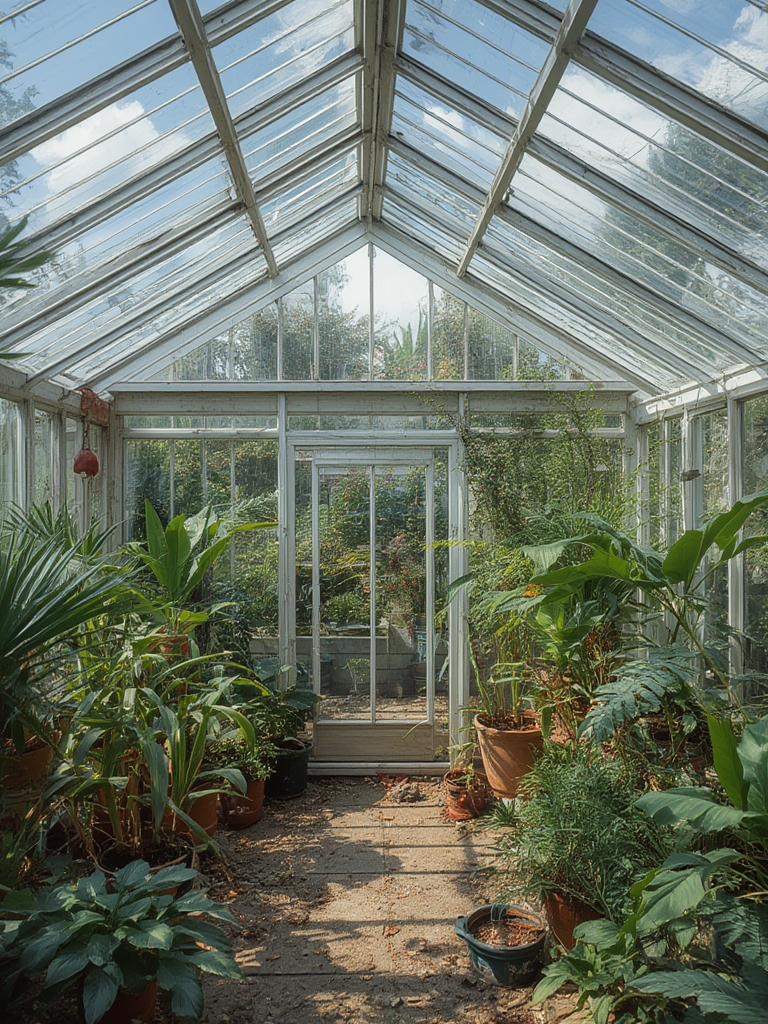
Materials & Supplies
To build your own flat-roofed greenhouse, you'll need:
Structural Materials
- Aluminum or galvanized steel framing
- Pressure-treated lumber for base construction
- Corner brackets and connectors
- Self-drilling screws and fasteners
Covering Materials
- Polycarbonate panels (6mm twin-wall recommended)
- UV-resistant greenhouse plastic (alternative option)
- Rubber gaskets and aluminum channels for sealing
- Silicone caulking for waterproofing
Drainage System
- PVC guttering
- Downpipes and connectors
- Drainage gravel
- Waterproof membrane
Ventilation Equipment
- Automatic vent openers
- Side vents or louvered panels
- Optional: solar-powered exhaust fans
Additional Components
- Door hardware (handles, hinges)
- Shade cloth system
- Thermometer and humidity gauge
- Interior shelving materials
Timing / Growing Schedule
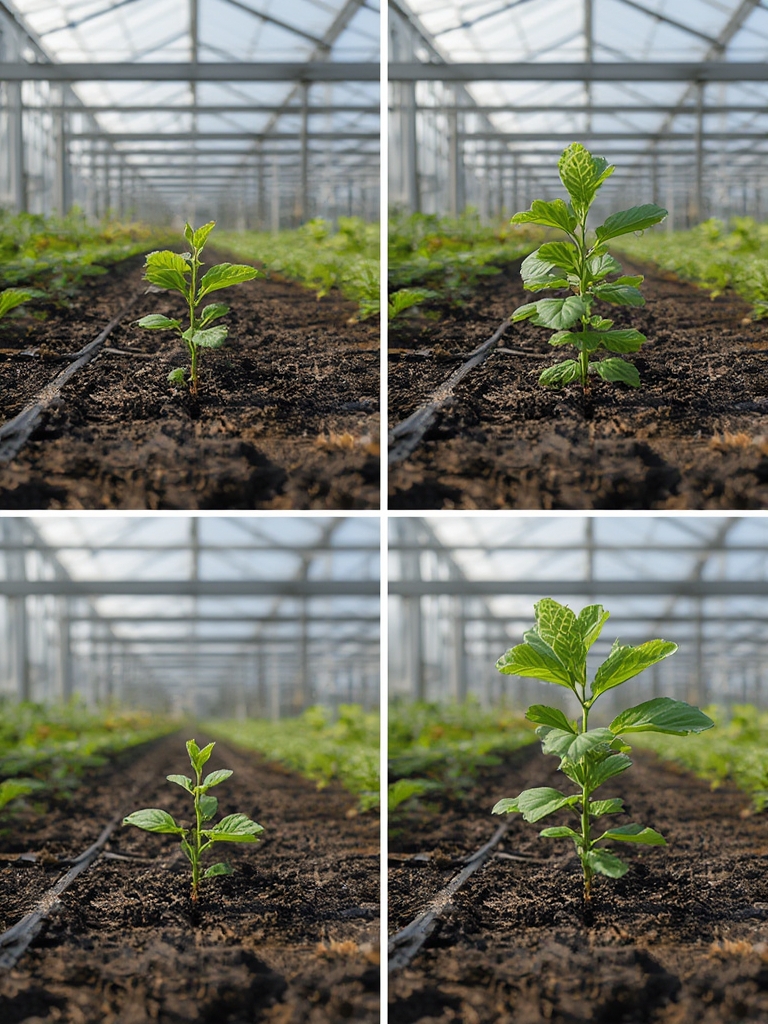
Building timeline:
- Planning and design: 1-2 weeks
- Material acquisition: 1-2 weeks
- Foundation preparation: 2-3 days
- Frame construction: 2-4 days
- Covering installation: 1-2 days
- Finishing touches: 2-3 days
Total construction time typically ranges from 3-6 weeks, depending on your experience level and available time. Aim to complete construction before your growing season begins. Spring installation allows for summer crops, while fall completion prepares you for winter growing and early spring starts.
Step-by-Step Instructions
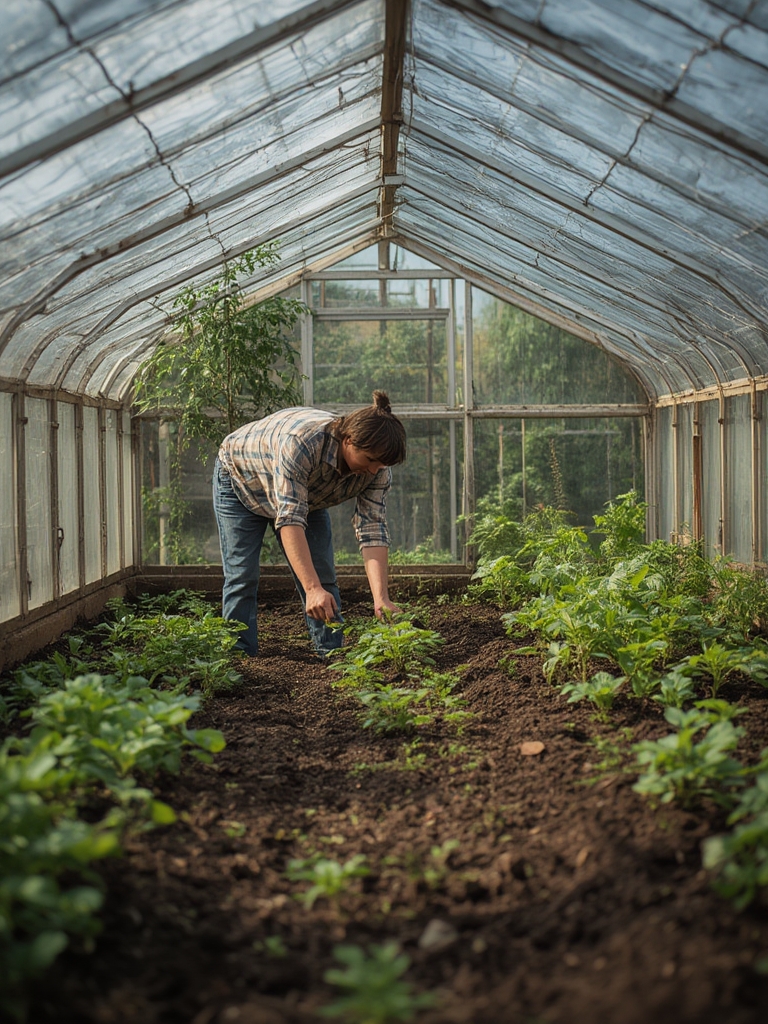
Plan your layout: Measure and mark your greenhouse location, ensuring adequate sunlight (minimum 6 hours daily). Consider proximity to water sources and electrical connections.
Prepare the foundation: Create a level base using concrete blocks, treated lumber, or a poured concrete perimeter. Ensure it's perfectly level to support your Flat Roof Construction.
Construct the frame: Assemble the vertical supports first, then add horizontal members. For a Greenhouse Flat Roof, maintain a slight pitch (1-2%) to allow for water runoff.
Install drainage system: Attach guttering along the lower edge of the roof pitch, connecting to downpipes that direct water away from the structure.
Attach covering materials: Secure polycarbonate panels using appropriate fixings, ensuring overlaps are sealed against moisture.
Install ventilation: Add roof vents, side louvers, or fans to maintain temperature control, critical for flat-roofed structures that can trap heat.
Add interior components: Install shelving, irrigation systems, and growing beds according to your planting plan.
Benefits / Advantages
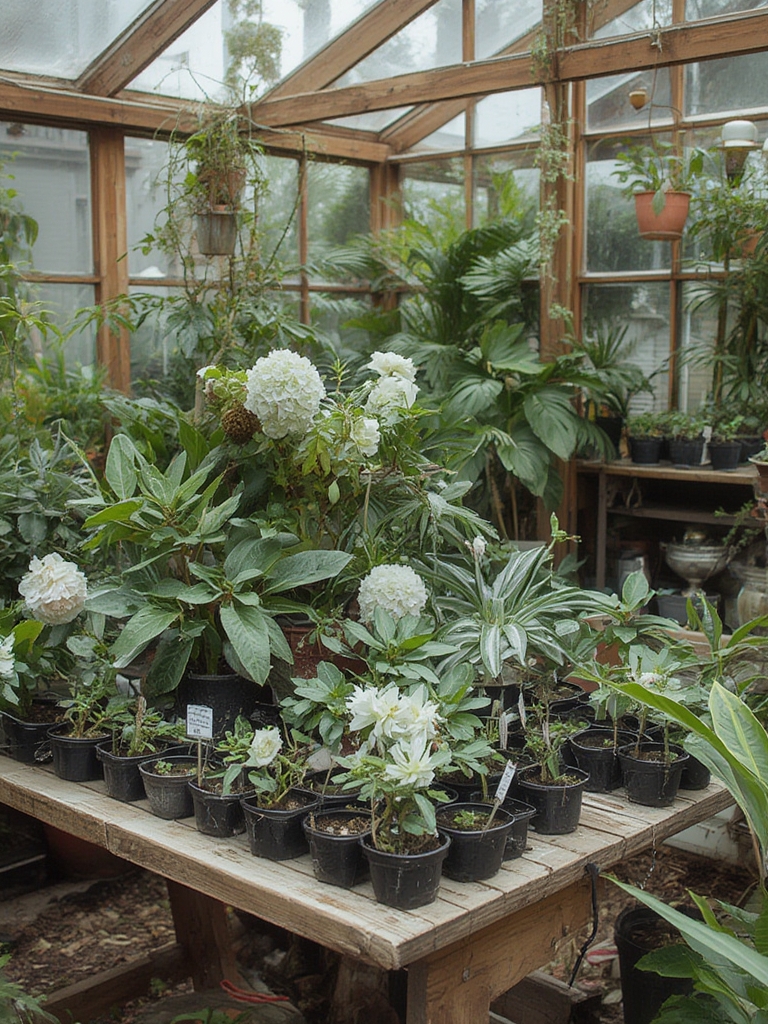
- Space efficiency: Maximizes growing area in limited spaces
- Zoning compatibility: Often easier to get approval in areas with height restrictions
- Improved light distribution: Even light exposure across plants
- Energy efficiency: Lower volume to heat during colder months
- Expandability: Can be modularly expanded or attached to existing structures
- Rainwater harvesting: Flat design allows for efficient water collection systems
- Reduced wind resistance: Less vulnerable to damage in high-wind areas
Tips, Alternative Methods, or Gardening Advice
- Consider a "living roof" approach by incorporating shallow planting trays for sedums or other low-maintenance plants
- For urban settings, combine rooftop gardening with your greenhouse by installing it on a suitable flat-roofed building
- In snowy regions, increase the pitch to 5-10% and use reinforced construction to handle snow loads
- Incorporate thermal mass (water barrels, stone paths) to regulate temperature fluctuations
- Install reflective material on the north wall to maximize light reflection in winter months
Common Mistakes to Avoid
- Inadequate drainage: Ensure proper slope and functioning gutters to prevent water pooling
- Insufficient ventilation: Flat roofs trap heat more efficiently than pitched ones; prioritize multiple ventilation options
- Weak structural design: Don't underestimate the weight of snow, equipment, and plants your roof must support
- Poor sealing: Water intrusion is the enemy of any greenhouse; double-check all seams and connections
- Overlooking thermal management: Without proper insulation and ventilation, flat-roofed greenhouses can overheat quickly
Maintenance Tips
- Inspect seals and joints seasonally, reapplying silicone as needed
- Clean roof panels twice yearly to maximize light transmission
- Clear gutters monthly during growing season to prevent blockages
- Check structural integrity after extreme weather events
- Apply UV-protectant to exposed framing annually
- Test ventilation systems before peak summer temperatures arrive
- During winter, remove excessive snow accumulation promptly
Conclusion
A Greenhouse Flat Roof design offers practical advantages for many gardening situations, particularly in space-limited environments. The simplified Flat Roof Construction approach makes this an accessible project for intermediate DIY enthusiasts while providing professional-level growing capabilities. By carefully planning your structure and following these guidelines, you'll create a versatile growing space that extends your gardening season and expands your cultivation possibilities year-round.
FAQs
How much weight can a flat greenhouse roof support?
A properly designed flat greenhouse roof should support approximately 25-35 lbs/sq ft, accounting for snow loads and maintenance access. Always consult local building codes for specific requirements in your area.
Can I convert an existing pitched-roof greenhouse to a flat roof?
While possible, this typically requires significant structural modifications. It's usually more cost-effective to build a new greenhouse with a flat roof design from the beginning.
Do flat-roofed greenhouses work in rainy climates?
Yes, provided they have a slight slope (1-2% minimum) and proper drainage systems. The key is effective water management rather than complete water deflection.
What's the best covering material for a flat-roofed greenhouse?
Multi-wall polycarbonate panels (6mm or thicker) offer the best combination of insulation, light transmission, and durability for flat-roofed designs. They also handle snow weight better than single-layer materials.
How tall should a flat-roofed greenhouse be?
Minimum interior height should be 7 feet at the lowest point to allow comfortable working conditions and adequate air circulation, with 8-9 feet being ideal for most applications.