
Alocasia Black Velvet: Best 7 Care Tips
Have you ever gazed upon a plant so mesmerizing it feels like a living piece of art? The Alocasia Black Velvet is precisely that a stunning houseplant with velvety, almost-black leaves that create an immediate visual impact in any space.
Table of Contents
With its compact growth habit and dramatic contrast between dark foliage and striking white veins, this tropical beauty has become increasingly popular among plant enthusiasts.Providing proper Alocasia Black Velvet care isn’t difficult once you understand its needs, making it accessible even for intermediate plant parents looking to expand their collection with something truly special.
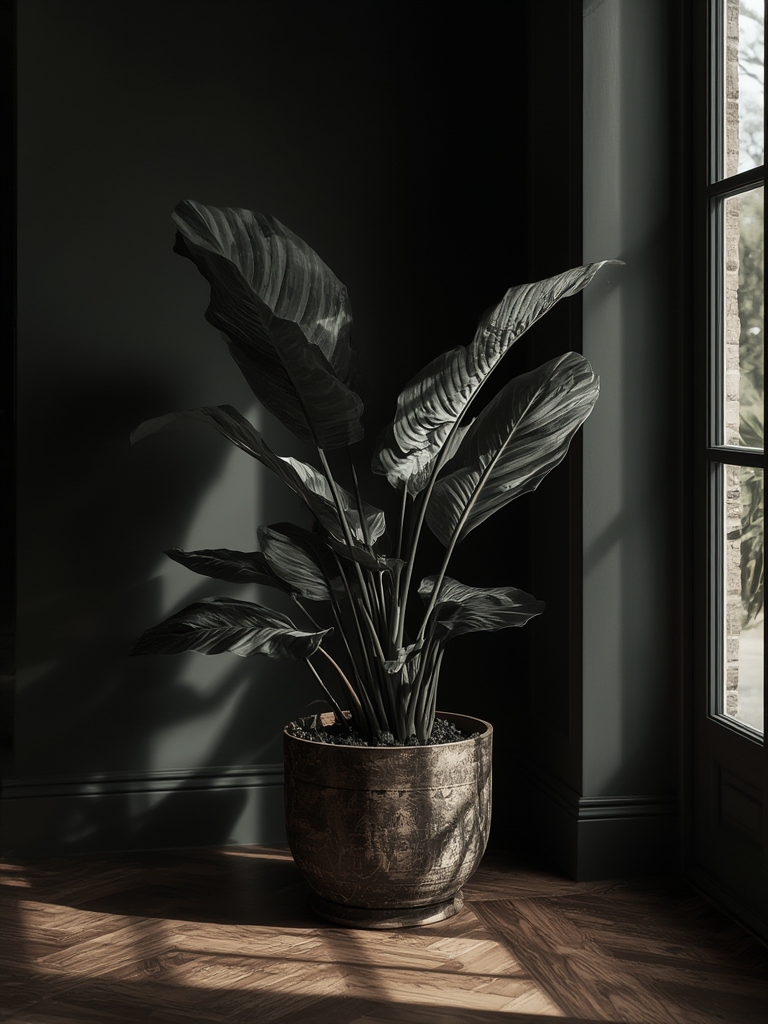
Materials & Supplies
To successfully grow this jewel of the plant world, you’ll need:
- Well-draining potting mix (a blend of peat, perlite, and orchid bark works well)
- A small pot (4-6 inches) with drainage holes
- Humidifier or pebble tray for moisture
- Watering can with a narrow spout for precision
- Liquid fertilizer formulated for houseplants (diluted to half-strength)
- Spray bottle for misting
- Small pruning scissors or shears
- Plant stake (optional, for larger plants)
- Neem oil or insecticidal soap for pest prevention
- Thermometer to monitor ambient temperature
Timing / Growing Schedule
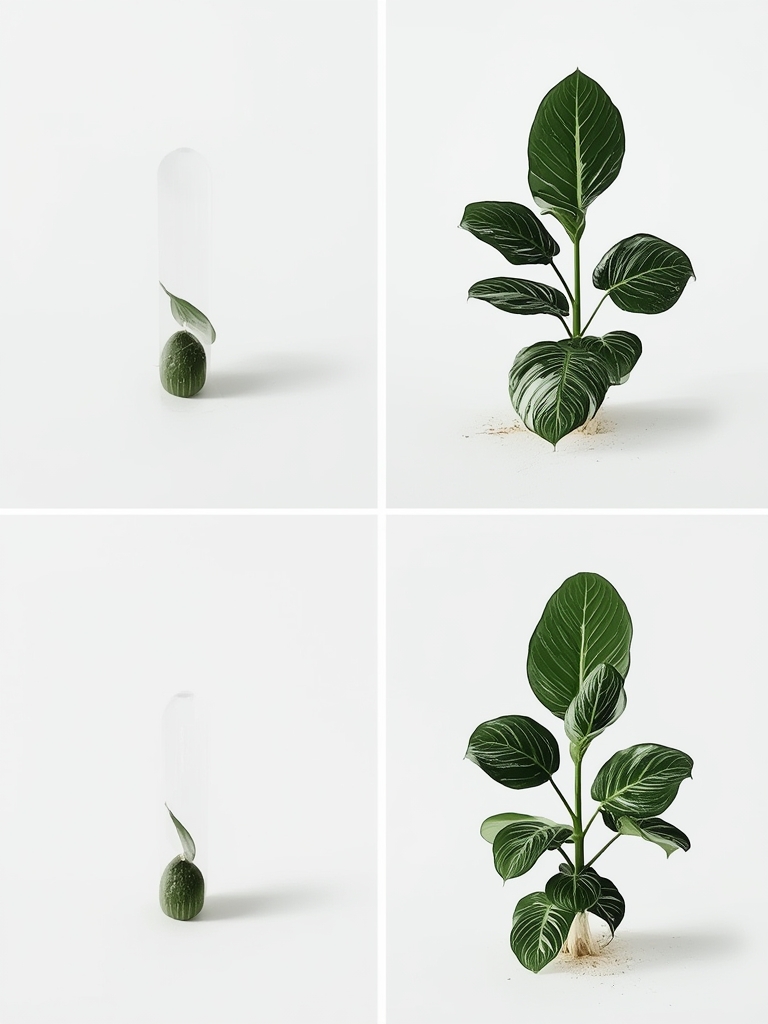
The Alocasia Black Velvet grows moderately during spring and summer, while entering a semi-dormant state in winter. Here’s what to expect:
- Initial acclimation period: 2-3 weeks after bringing home
- Active growth: March through September
- Dormancy period: November through February
- Repotting: Every 1-2 years in spring
- Fertilization: Every 4 weeks during growing season
- Maturity: Reaches full size (typically 12-18 inches) within 2-3 years
Step-by-Step Instructions
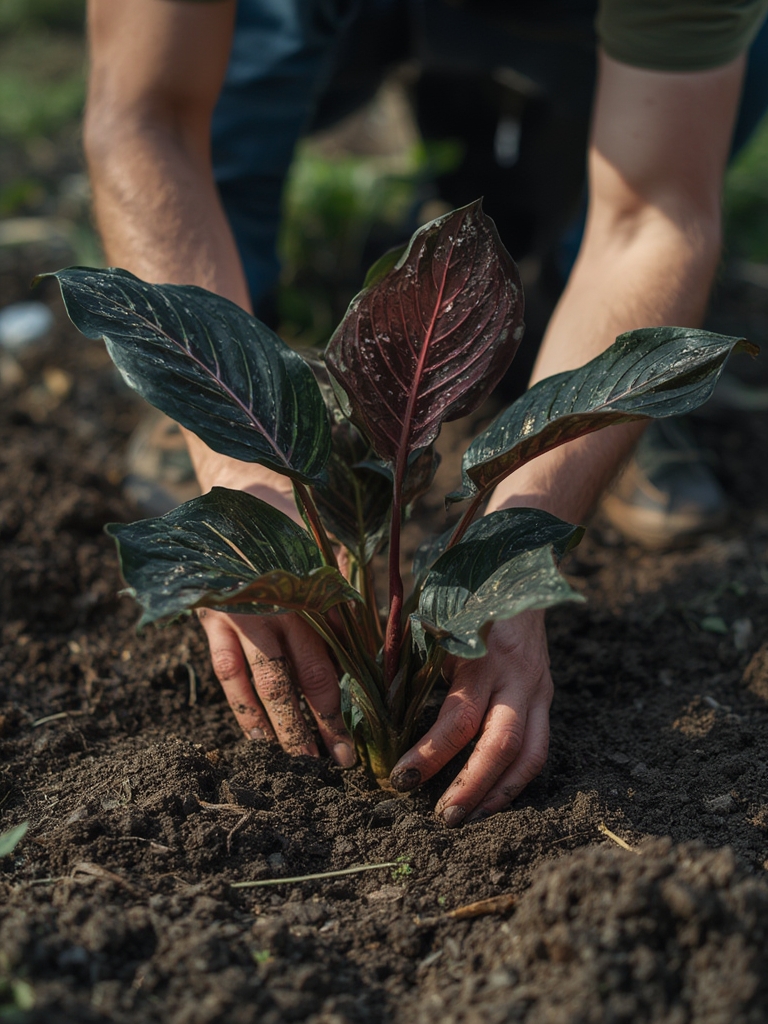
- Select the right location: Place your Alocasia Black Velvet in bright indirect light, avoiding direct sunlight that can scorch its leaves.
- Prepare the potting mix: Combine equal parts peat moss, perlite, and orchid bark for excellent drainage and aeration.
- Plant carefully: Position in a small pot with the crown sitting just above the soil line to prevent rot.
- Establish watering routine: Water when the top inch of soil feels dry, ensuring thorough drainage. Use room-temperature water to avoid shocking the roots.
- Maintain humidity: Keep humidity levels between 60-80% using a humidifier, pebble tray, or regular misting.
- Implement Alocasia Black Velvet care rotation: Turn the pot weekly to ensure even growth and prevent leaning toward light sources.
- Monitor temperature: Maintain temperatures between 65-85°F (18-29°C), protecting from cold drafts and sudden temperature changes.
Benefits / Advantages
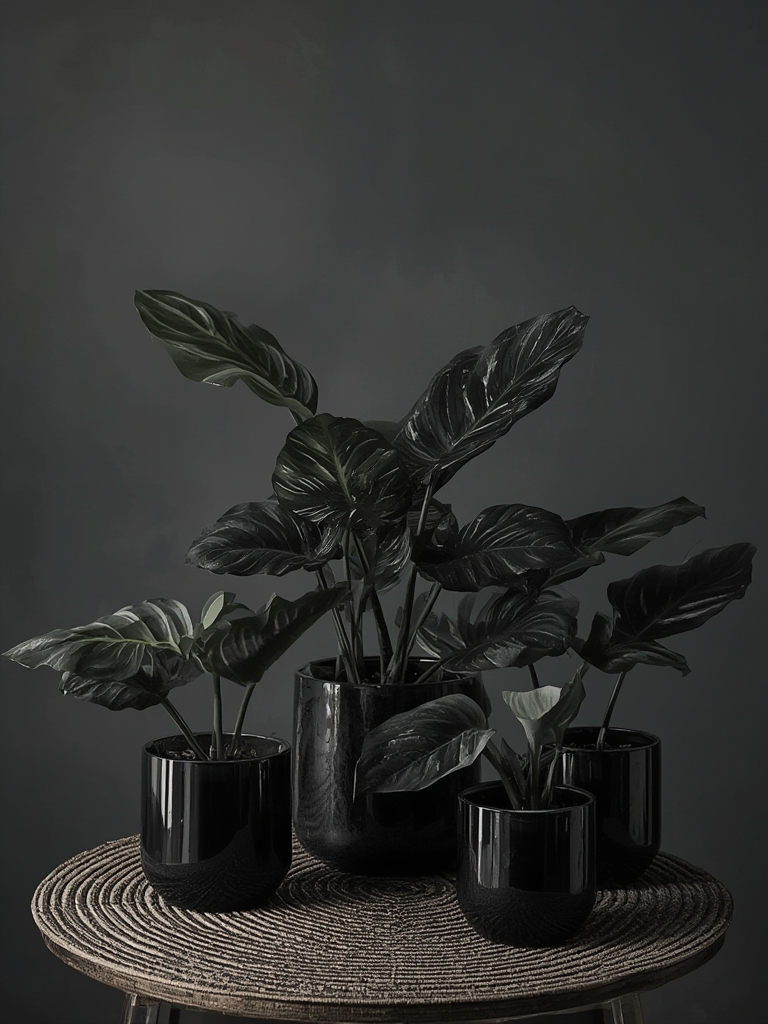
- Natural air purifier that removes toxins from indoor environments
- Compact size makes it perfect for small spaces and apartments
- Distinctive appearance adds dramatic visual interest to any room
- Can be a conversation starter and centerpiece in home decor
- Growing successfully builds confidence in plant care abilities
- Increases humidity in dry indoor environments, beneficial for respiratory health
- Caring for plants has proven stress-reduction benefits
Tips, Alternative Methods, or Gardening Advice
For those living in especially dry climates, consider growing your Black Velvet in a terrarium or glass cabinet to maintain humidity. In winter, group it with other tropical plants to create a microclimate.
If you’re struggling with low light conditions, supplement with grow lights specifically designed for houseplants, positioned 12-18 inches above the foliage for 12-14 hours daily.
Common Mistakes to Avoid
- Overwatering: Allow the top inch of soil to dry between waterings to prevent root rot
- Using cold water: Always use room temperature water to avoid shocking the roots
- Ignoring humidity needs: Low humidity leads to crispy leaf edges and overall decline
- Placing in direct sunlight: Causes leaf burn and color fading
- Using heavy potting soil: Leads to waterlogged roots and potential root rot
- Frequent repotting: Alocasias prefer to be slightly rootbound
Maintenance Tips
Clean the leaves monthly with a damp cloth to remove dust and enhance their velvety appearance. Remove any yellowing leaves promptly by cutting at the base of the stem.
During winter dormancy, reduce watering by about 50% and pause fertilization entirely. Monitor for pests like spider mites and mealybugs, which are attracted to the soft foliage.
Conclusion
With its dramatic appearance and manageable care requirements, the Alocasia Black Velvet makes a stunning addition to any plant collection. By following these guidelines and maintaining consistent Alocasia Black Velvet care, you’ll enjoy this botanical gem for years to come.
Remember that patience is key—this plant rewards careful attention with its striking, velvety foliage that seems almost unreal in its beauty. Why not try growing one yourself and experience the satisfaction of nurturing this living art form?
FAQs
Why are my Alocasia Black Velvet leaves turning yellow?
Yellowing leaves typically indicate overwatering. Allow the top inch of soil to dry completely between waterings and ensure your pot has adequate drainage.
How often should I fertilize my Alocasia Black Velvet?
Fertilize monthly during the growing season (spring through fall) with a diluted liquid houseplant fertilizer at half the recommended strength. Stop fertilizing during winter.
Can Alocasia Black Velvet survive in low light conditions?
While it can survive in medium light, it thrives in bright indirect light. In low light, growth will slow significantly, and the plant may become leggy.
Is Alocasia Black Velvet toxic to pets?
Yes, all Alocasia species contain calcium oxalate crystals which are toxic to cats, dogs, and humans if ingested, causing irritation and swelling. Keep out of reach of pets and children.
Why is my Alocasia not producing new leaves?
During winter dormancy (November-February), growth naturally slows or stops. If it’s growing season and there’s no new growth, check light levels, temperature, and humidity, as these factors significantly impact growth rate.