
5 Quick way to grow Greenhouse Gardening
Have you ever dreamed of harvesting fresh vegetables year-round, regardless of your local climate? Greenhouse Gardening offers the perfect solution for extending your growing season and creating a controlled environment where plants can thrive.
With a greenhouse, you can cultivate Greenhouse Vegetables even during the coldest months, ensuring your family always has access to nutritious, home-grown produce. This comprehensive guide will walk you through everything you need to know to start your greenhouse journey.
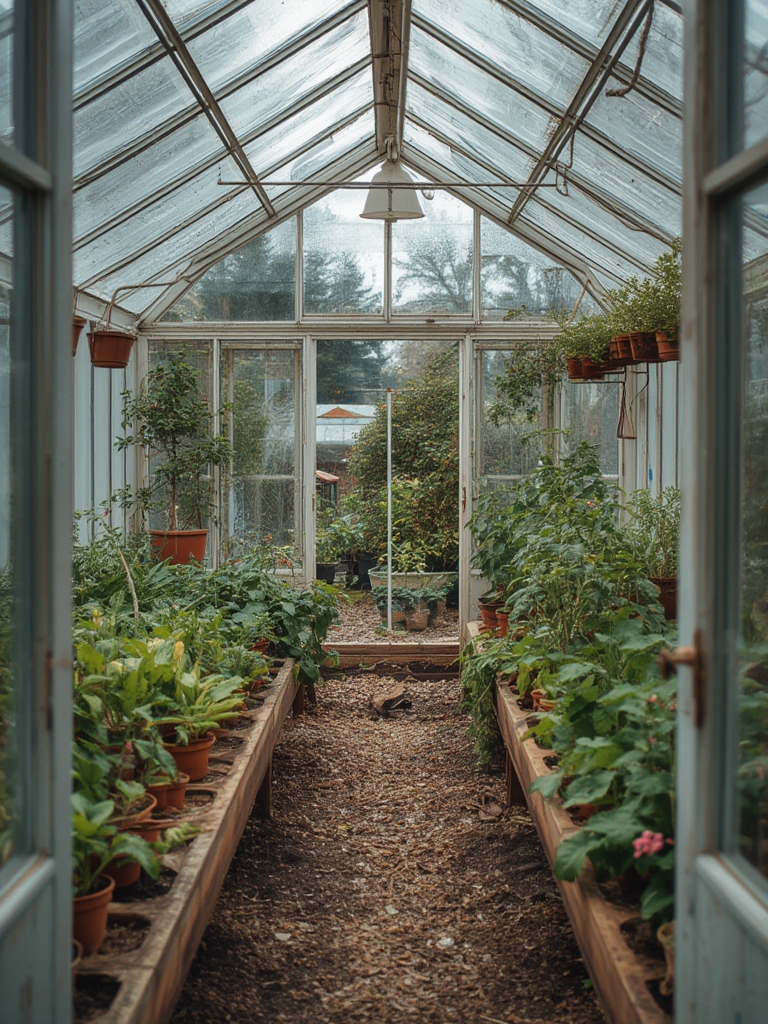
Materials & Supplies
To create a successful greenhouse garden, you’ll need:
- Greenhouse Structure – Choose between glass, polycarbonate, or polyethylene options based on your budget and climate
- Growing Medium – High-quality potting soil, coconut coir, or hydroponic solutions
- Containers – Various sizes of pots, trays, and growing bags
- Irrigation System – Drip irrigation, misters, or watering cans
- Temperature Control – Thermometers, ventilation fans, heaters for colder climates
- Shelving/Tables – For organizing plants at different heights
- Seeds or Seedlings – Choose varieties suited for greenhouse conditions
- Plant Supports – Trellises, stakes, and cages for vining plants
- Fertilizers – Balanced, water-soluble options for container plants
- Pest Management Tools – Organic insecticidal soap, beneficial insects, sticky traps
Timing / Growing Schedule
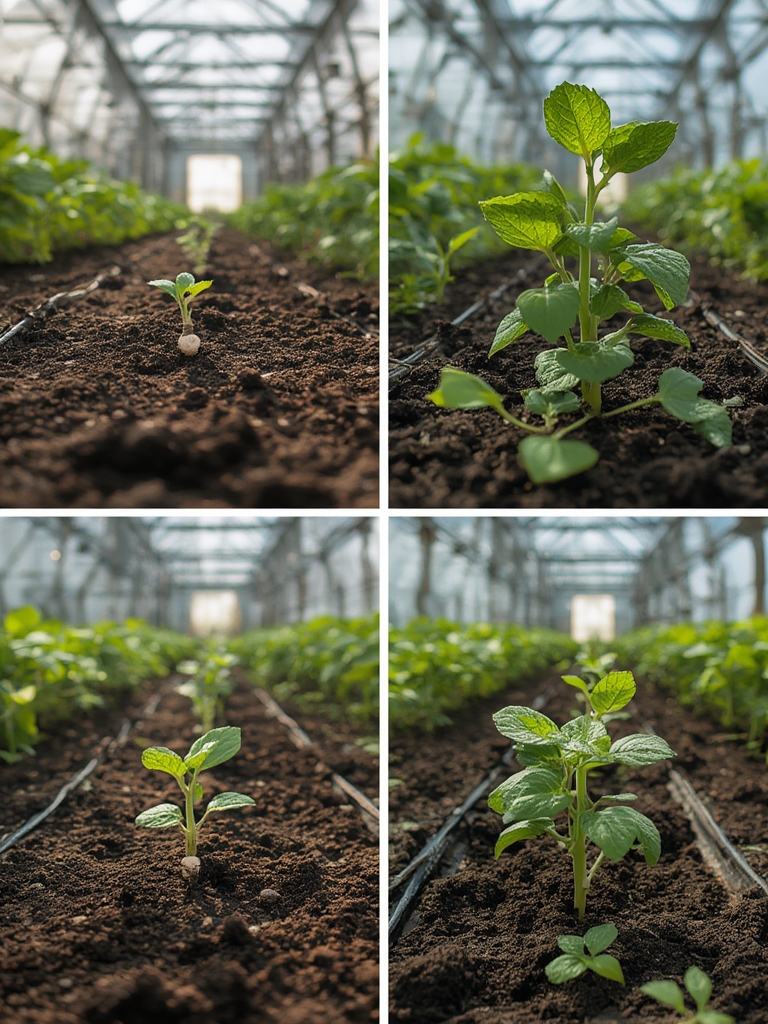
The beauty of greenhouse cultivation is the extended growing calendar:
- Winter (December-February): Start cool-season crops like lettuce, spinach, and kale
- Early Spring (March-April): Begin warm-season seedlings 6-8 weeks before outdoor planting date
- Late Spring/Summer (May-August): Transition warm-season crops like tomatoes and peppers into greenhouse
- Fall (September-November): Plant second crops of cool-season vegetables
Most seedlings require 2-3 weeks for germination, while time to harvest ranges from 30 days for quick-growing greens to 90+ days for fruiting vegetables.
Step-by-Step Instructions
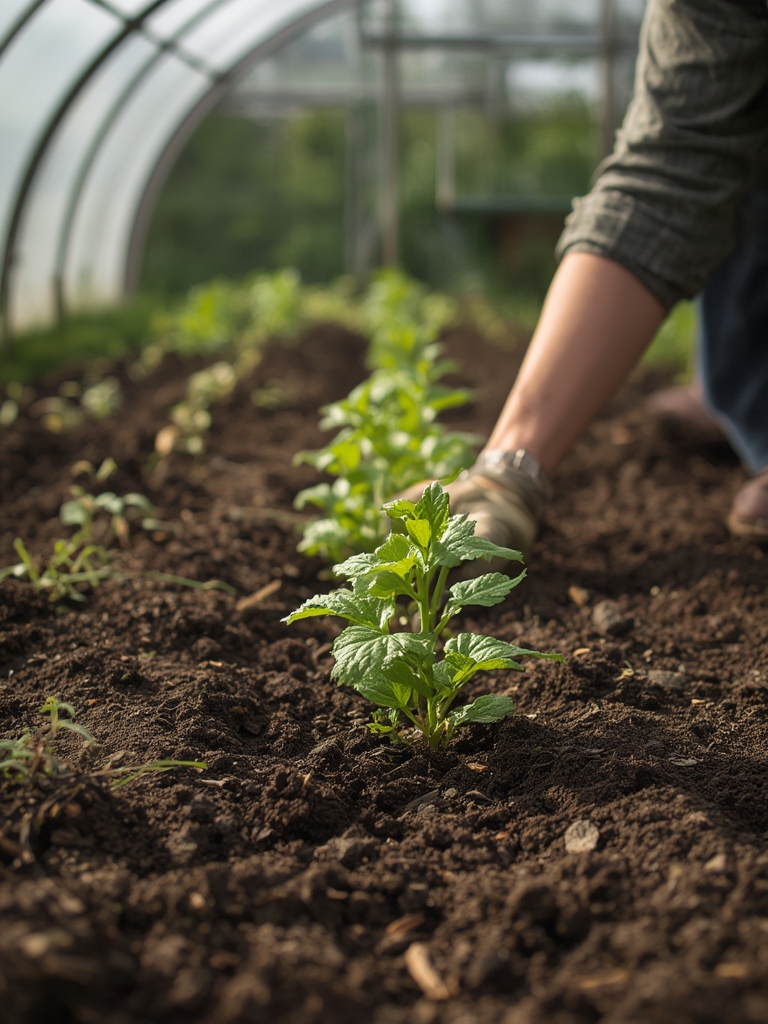
- Select Your Greenhouse Location – Choose a spot with maximum sunlight (6+ hours daily), level ground, and protection from strong winds.
- Prepare Your Growing System – Whether using in-ground beds, raised containers, or hydroponic setups, ensure proper drainage and fill with appropriate growing medium.
- Install Climate Controls – Set up thermometers, ventilation, and heating systems. Successful Greenhouse Gardening requires maintaining temperatures between 65-75°F for most Greenhouse Vegetables.
- Plant According to Season – Follow your growing schedule, placing taller plants on the north side to avoid shading shorter varieties.
- Establish Watering Routines – Check moisture levels daily, as greenhouse environments can dry out quickly. Water in the morning to reduce humidity overnight.
- Monitor and Adjust – Check plants daily for signs of stress, pest infestations, or disease. Adjust temperature, ventilation, and humidity accordingly.
Benefits / Advantages
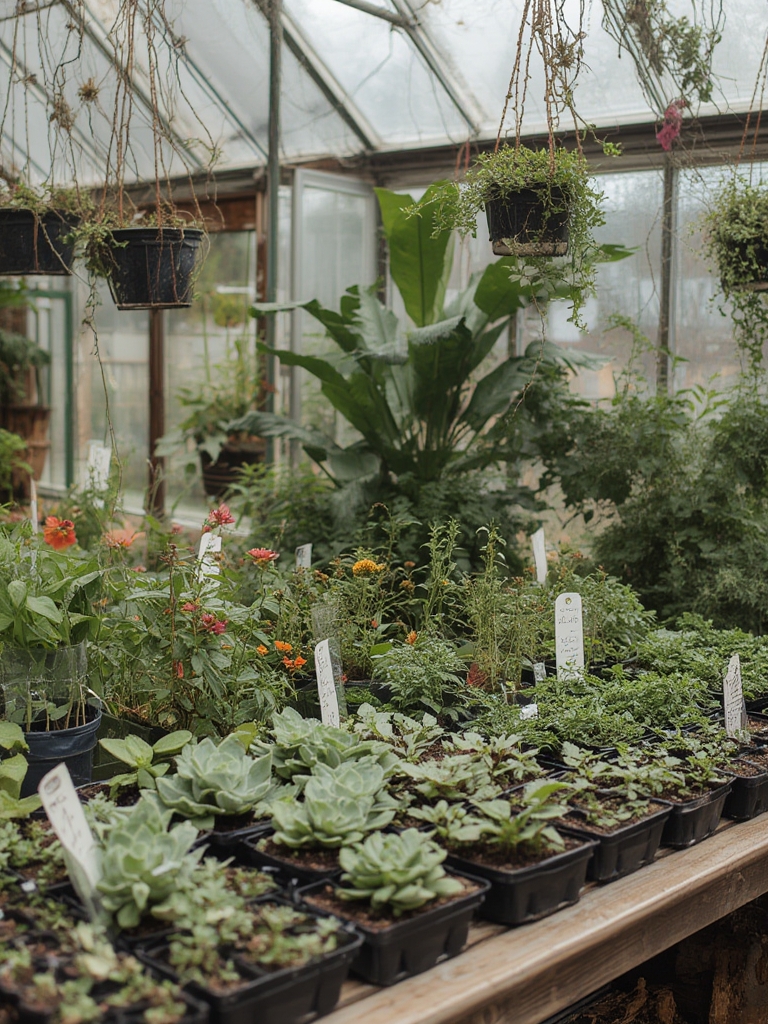
- Year-round harvests regardless of outdoor conditions
- Protection from extreme weather, pests, and diseases
- Higher yields in a controlled environment
- Ability to grow exotic or out-of-zone plants
- Reduced water usage compared to outdoor gardening
- Therapeutic benefits of gardening during all seasons
- Significant savings on grocery bills
Tips, Alternative Methods, or Gardening Advice
- Vertical Growing: Maximize limited greenhouse space by growing upward with trellises and hanging baskets.
- Companion Planting: Group compatible plants together to maximize space and deter pests naturally.
- Season Extension: Use row covers or cold frames within your greenhouse for extra protection during extreme cold.
- Automated Systems: Consider smart controllers for irrigation and ventilation if budget allows.
Common Mistakes to Avoid
- Overcrowding Plants – Respect spacing requirements to ensure adequate airflow and prevent disease.
- Neglecting Ventilation – Poor air circulation leads to fungal issues and weak plants.
- Irregular Watering – Inconsistent moisture stresses plants and reduces yields.
- Ignoring Pest Introductions – Always inspect new plants before bringing them into your greenhouse ecosystem.
Maintenance Tips
- Clean greenhouse surfaces annually with mild soap and water
- Replace or sterilize potting soil between plantings
- Check and maintain structural elements, repairing tears or broken panels promptly
- Regularly prune and harvest to encourage continued production
- Monitor and adjust humidity levels to prevent condensation issues
Conclusion
With the right setup and care, Greenhouse Gardening can transform your food production capabilities and provide a year-round gardening sanctuary. The satisfaction of harvesting your own Greenhouse Vegetables during a snowstorm or enjoying homegrown tomatoes in December makes the initial investment worthwhile. Start small, learn as you grow, and soon you’ll be enjoying the abundant benefits of your personal greenhouse oasis. Share your greenhouse successes in the comments below or browse our related posts for specific crop guides!
FAQs
What is the minimum greenhouse size for a beginner?
A 6×8 foot greenhouse provides adequate space for beginners while remaining manageable and affordable. This size allows for approximately 10-15 potted plants or 1-2 small raised beds.
Can I use my greenhouse year-round?
Yes, with proper heating in winter and ventilation in summer, a greenhouse can be used 365 days a year, though energy costs for heating in very cold climates should be considered.
How often should I water greenhouse plants?
Most greenhouse plants need checking daily, as contained environments dry out faster than garden soil. Water needs vary by season, with more frequent watering required during hot weather.
What vegetables grow best in a greenhouse environment?
Heat-loving crops like tomatoes, peppers, cucumbers, and eggplants excel in greenhouses, along with leafy greens during cooler months and herbs year-round.
How do I control pests in my greenhouse?
Implement integrated pest management by introducing beneficial insects, using sticky traps, practicing good sanitation, and applying organic treatments when necessary. Regular monitoring is key to catching problems early.