
How to Grow Lavender Pots in 5 Easy Steps
Have you ever dreamed of creating your own fragrant oasis at home? The sweet, calming aroma of lavender can transform any space into a sensory retreat. Learning to grow lavender pots allows you to enjoy this versatile herb year-round, regardless of garden space.
Table of Contents
With the right lavender potting mix and a few key techniques, you can successfully cultivate these beautiful purple blooms on your patio, balcony, or windowsill.
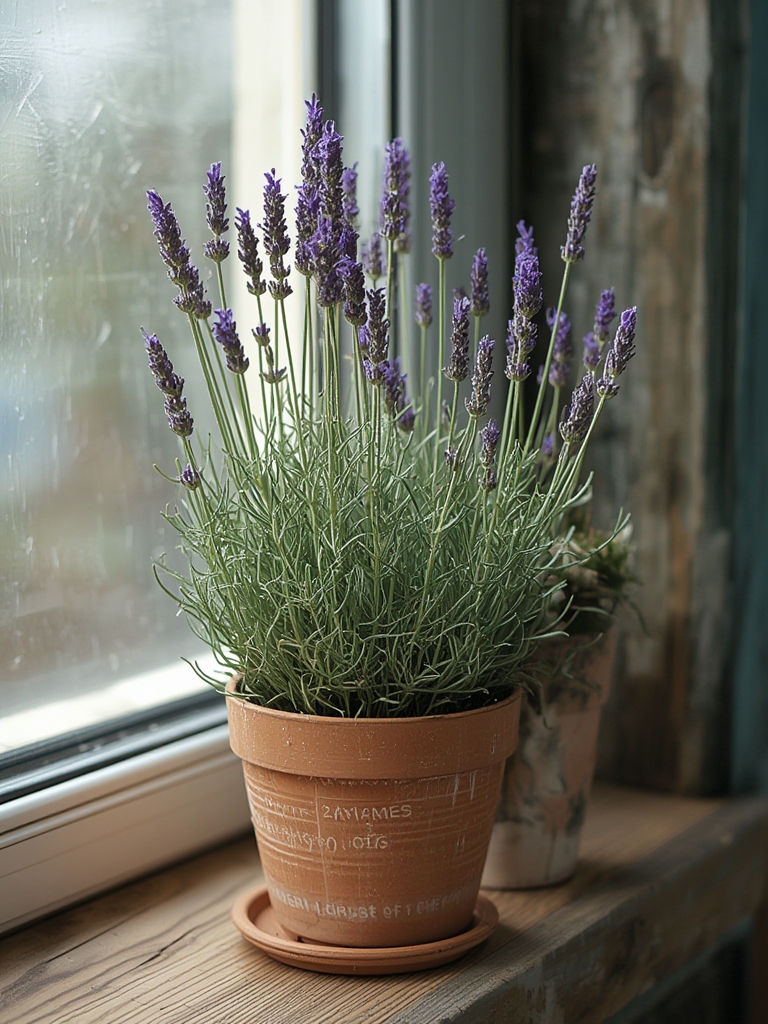
Materials & Supplies
To create your lavender container garden, gather these essential items:
- Terracotta or clay pots (8-12 inches in diameter with drainage holes)
- Lavender seedlings or young plants (English, French, or Spanish varieties)
- Lavender potting mix or well-draining soil blend
- Coarse gravel or pottery shards for drainage
- Slow-release granular fertilizer (low-nitrogen formula)
- Pruning shears or scissors
- Watering can with narrow spout
- Garden gloves (optional)
- Plant saucers (optional, for indoor growing)
Timing / Growing Schedule
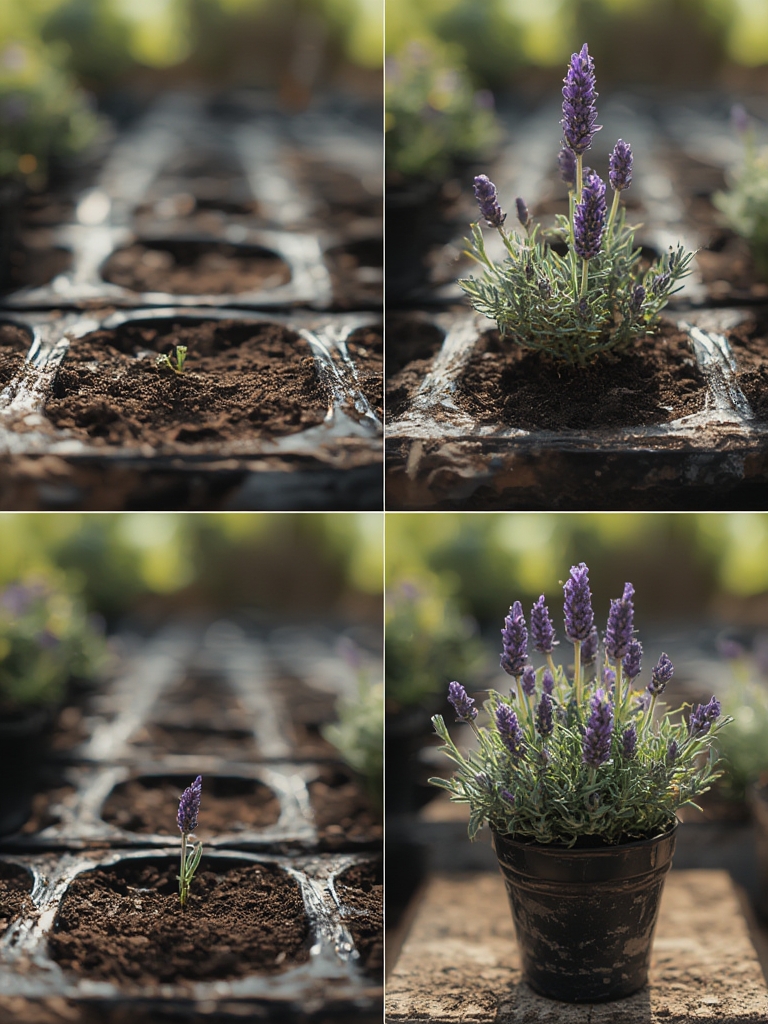
- Planting time: Early spring or early fall (avoid summer heat)
- Establishment period: 2-3 weeks for roots to settle
- First bloom: 90-120 days after planting
- Harvesting period: Late spring through summer
- Pruning schedule: Light trim after first bloom, major pruning in early spring
- Lifespan in pots: 3-5 years with proper care
Step-by-Step Instructions
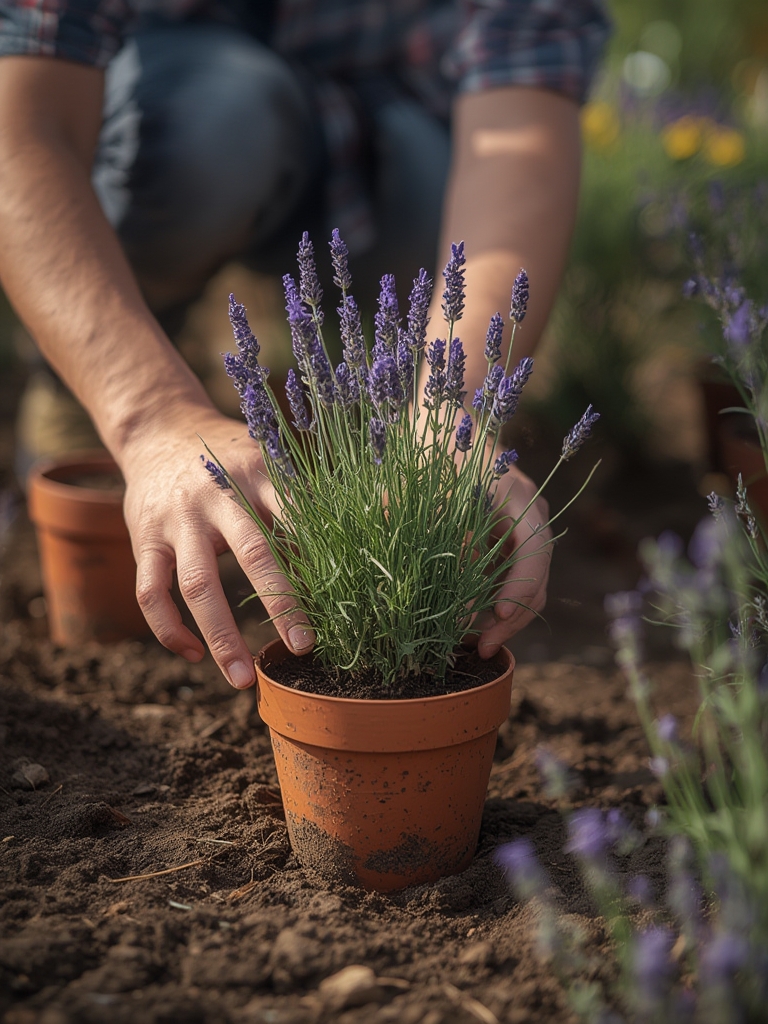
Prepare your container: Place a layer of gravel at the bottom of your pot to improve drainage. Lavender hates wet feet!
Mix your soil: Create or purchase a specialized lavender potting mix. Combine 60% sandy soil, 20% perlite, and 20% compost for ideal drainage.
Plant properly: Position your lavender so the crown sits slightly above soil level to prevent rot. Leave 2-3 inches between the soil surface and pot rim for watering space.
Watering routine: After planting, water thoroughly but allow the soil to dry completely between waterings. Once established, lavender is drought-tolerant.
Placement: Position your pots where they’ll receive at least 6-8 hours of direct sunlight daily.
Maintenance: To successfully grow lavender pots long-term, avoid over-fertilizing. Apply a small amount of slow-release fertilizer in early spring only.
Benefits / Advantages
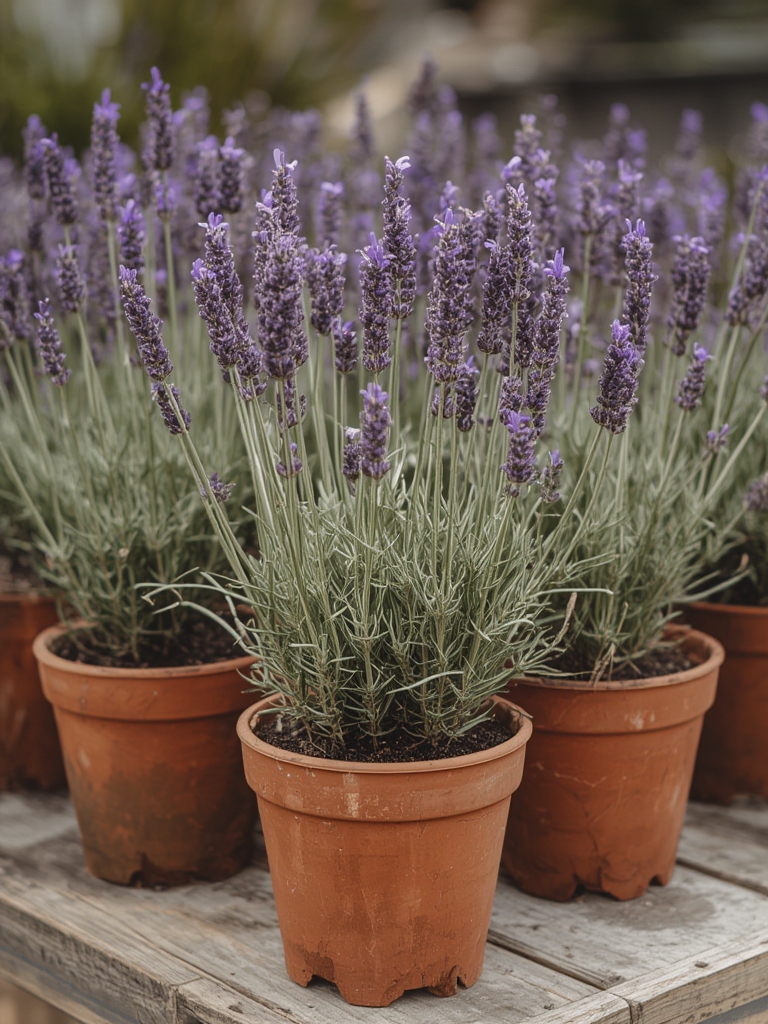
- Aromatherapy: Lavender’s scent reduces anxiety and promotes relaxation
- Pollinator attraction: Bees and butterflies love lavender blooms
- Culinary uses: Edible flowers for teas, baked goods, and savory dishes
- Versatile decor: Beautiful purple spikes add visual interest to any space
- Pest repellent: Naturally deters mosquitoes, flies, and moths
- Drought-resistant: Environmentally friendly due to low water requirements
Tips, Alternative Methods, or Gardening Advice
- Indoor growing: Choose compact varieties like ‘Munstead’ for windowsills
- Winter protection: In cold regions, move pots to a sheltered location or wrap with burlap
- Companion planting: Group lavender pots with rosemary and sage for a Mediterranean herb collection
- Propagation: Take semi-hardwood cuttings in summer to multiply your plants
- Container alternatives: Repurposed wooden crates or stone troughs work well if they provide good drainage
Common Mistakes to Avoid
- Overwatering: The leading cause of lavender failure; wait until soil is completely dry before watering
- Insufficient drainage: Never use standard potting soil without amendments
- Too much shade: Results in leggy, weak plants with few flowers
- Excessive fertilizer: Causes floppy growth and reduces essential oil production
- Neglecting pruning: Leads to woody, unproductive plants
Maintenance Tips
- Watering: Deeply but infrequently, allowing soil to dry completely between waterings
- Pruning: Trim after flowering to maintain shape; avoid cutting into woody stems
- Repotting: Every 2-3 years to refresh soil and prevent root-binding
- Winter care: Reduce watering by half during dormant period
- Harvesting: Cut stems when flower buds have formed but not fully opened for maximum fragrance
Conclusion
With the right approach, you can successfully grow lavender pots that bring beauty, fragrance, and functionality to your home. The key lies in mimicking lavender’s natural Mediterranean habitat with excellent drainage, plenty of sunshine, and the proper lavender potting mix. Whether you’re growing for culinary purposes, aromatherapy, or simply to enjoy its stunning blooms, potted lavender rewards you with relatively little maintenance. Start your container lavender garden today and transform your space into a fragrant retreat!
FAQs
How often should I water my potted lavender?
Allow the soil to dry completely between waterings, typically every 1-2 weeks depending on climate. In winter, water only when soil is very dry.
Why is my potted lavender not flowering?
Insufficient sunlight, over-fertilization, or lack of pruning are common causes. Ensure your plant receives at least 6 hours of direct sun daily.
Can I grow lavender indoors year-round?
Yes, but it’s challenging. Choose compact varieties, provide maximum sunlight (a south-facing window), ensure excellent air circulation, and accept fewer blooms than outdoor plants.
How do I prevent my potted lavender from getting woody?
Regular pruning is key. Trim plants back by one-third after flowering and avoid cutting into woody stems. Replace plants every 3-5 years as they naturally become woody with age.
Which lavender variety is best for containers?
Compact varieties like Lavandula angustifolia ‘Munstead’, ‘Hidcote’, and ‘Little Lottie’ are ideal for pots, while Spanish and French lavenders offer showier flowers but less cold hardiness.