
Proven way to grow Aloe Vera Plant with 5 tips
Have you ever wanted to grow your own healing plant right on your windowsill? Aloe Vera Plant is one of the most rewarding houseplants to cultivate, offering both aesthetic appeal and practical benefits.
Table of Contents
With its distinctive fleshy, serrated leaves containing the soothing Aloe Vera Gel, this succulent has been treasured for centuries for its medicinal properties. Let’s explore how you can successfully grow this versatile plant in your own space, even if you’re a complete beginner to gardening.
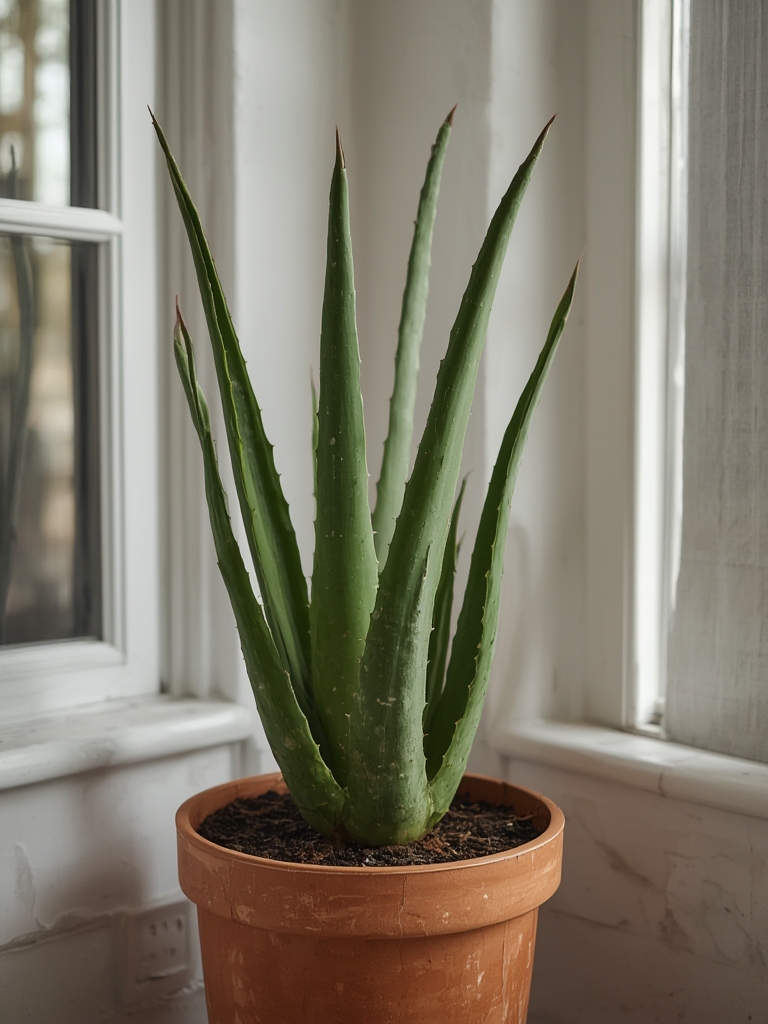
Materials & Supplies
To start your aloe vera journey, you’ll need:
- A 4-6 inch pot with drainage holes (terracotta works best)
- Cactus or succulent potting mix
- Aloe vera pup or mature plant
- Small pebbles for drainage
- Watering can with narrow spout
- Pruning shears or sharp knife (for harvesting)
- Spray bottle (optional for misting)
- Plant food specifically for succulents (optional)
- Plant saucer to catch excess water
- Gardening gloves (aloe can be slightly irritating to sensitive skin)
Timing / Growing Schedule
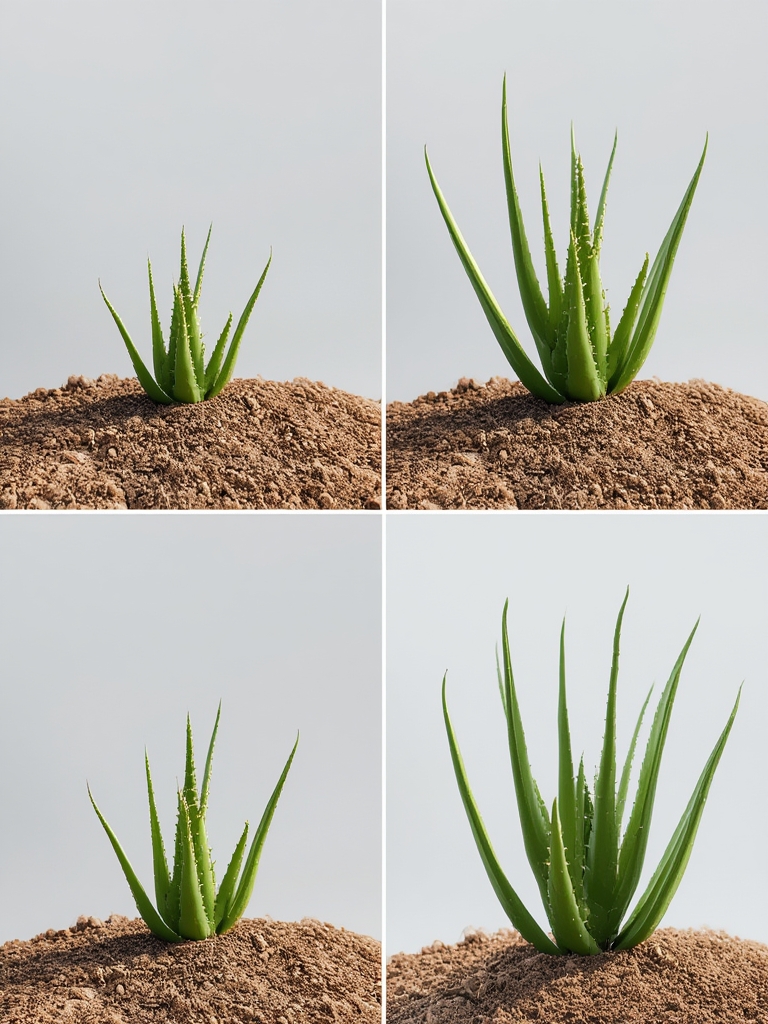
Aloe vera grows year-round indoors but follows natural cycles:
- Initial establishment: 2-4 weeks for a new plant to adjust
- Growth period: Most active in spring and summer (March-September)
- Dormancy: Slower growth during fall and winter
- Maturity: 3-4 years to reach full size
- Pup production: Every 1-2 years once mature
- Harvest readiness: Outer leaves can be harvested once they’re at least 8 inches long (typically after 6-8 months of growth)
Step-by-Step Instructions
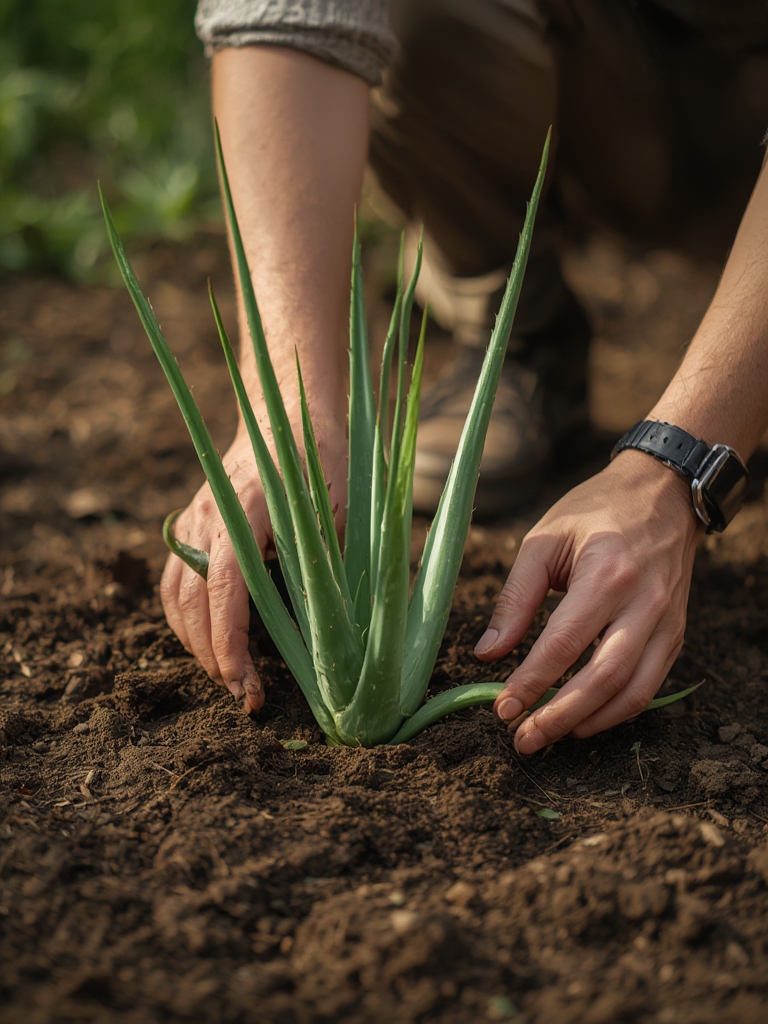
- Select the right pot: Choose a container slightly larger than the root ball with excellent drainage.
- Prepare the soil: Create a well-draining mix by combining cactus soil with perlite or coarse sand.
- Add drainage layer: Place small pebbles at the bottom of the pot to prevent waterlogging.
- Plant your aloe: Position your Aloe Vera Plant so the base sits slightly above the soil line to prevent rot.
- Initial watering: Water sparingly after planting and allow soil to dry completely before watering again.
- Placement: Position in bright, indirect light (a south or west-facing window is ideal).
- Harvesting: When needed, cut mature outer leaves at the base using clean, sharp shears to extract Aloe Vera Gel.
Benefits / Advantages
- Natural first-aid for minor burns and skin irritations
- Air-purifying qualities improve indoor air quality
- Low maintenance, perfect for busy individuals
- Drought-tolerant, requires minimal watering
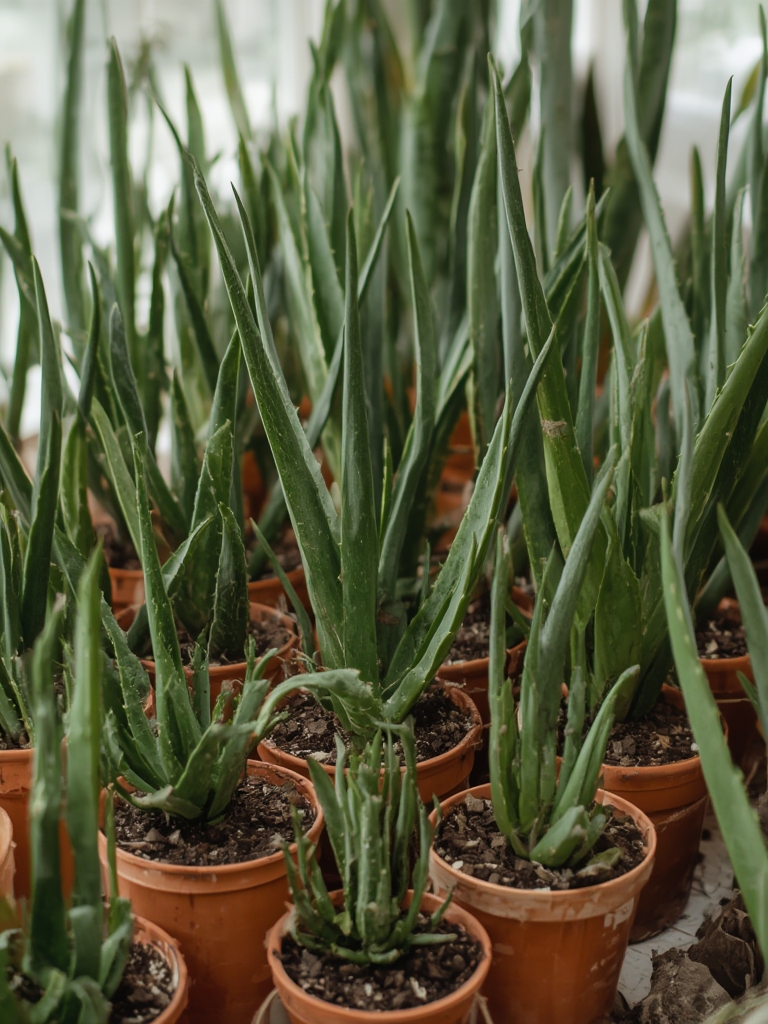
- Self-propagating through pups, giving you free additional plants
- Contains antioxidants and antibacterial compounds
- Visually appealing as a decorative houseplant
Tips, Alternative Methods, or Gardening Advice
- For colder climates, grow aloe indoors year-round
- In warm, frost-free regions, aloe thrives outdoors in rock gardens
- Rotate your plant quarterly for even growth
- Use pebble trays for humidity in dry environments
- Try growing in hanging planters for an interesting visual display
- Consider planting in recycled containers like tea tins for an eco-friendly approach
Common Mistakes to Avoid
- Overwatering (the most common killer of aloe plants)
- Using regular potting soil (too moisture-retentive)
- Placing in low light areas (leads to leggy, weak growth)
- Exposing to cold drafts or temperatures below 50°F
- Fertilizing too frequently or with regular strength fertilizer
- Planting in containers without drainage holes
Maintenance Tips
- Water only when soil is completely dry (typically every 2-3 weeks)
- Reduce watering in winter to once monthly
- Remove any brown, mushy, or dried-out leaves promptly
- Repot every 2-3 years or when plant becomes top-heavy
- Harvest outer leaves first, allowing inner leaves to mature
- Propagate offsets (pups) when they reach about 3-4 inches
Conclusion
Growing an Aloe Vera Plant at home connects you to a tradition of natural healing that spans thousands of years. With minimal effort, you can maintain this resilient succulent that provides both beauty and practical benefits. Whether you’re using the Aloe Vera Gel for sunburns or simply enjoying its architectural form, aloe is truly a gift that keeps giving. Start your aloe growing journey today and experience the satisfaction of growing your own medicinal plant!
FAQs
How often should I water my aloe vera?
Water only when the soil is completely dry, usually every 2-3 weeks in summer and monthly in winter.
Why are my aloe leaves turning brown?
Brown leaves usually indicate either sunburn (too much direct light) or root rot (too much water). Check drainage and adjust light exposure accordingly.
Can I grow aloe vera from a leaf cutting?
Unlike some succulents, aloe vera cannot be propagated from leaf cuttings. You need a pup (offset) with its own root system.
How do I harvest and use the gel?
Cut a mature outer leaf at the base, slice it open lengthwise, and scoop out the clear gel. Apply directly to skin or store in the refrigerator for up to one week.
Why is my aloe plant becoming leggy and stretching?
Legginess indicates insufficient light. Gradually move your plant to a brighter location, avoiding sudden exposure to intense direct sunlight.