
Quick way to grow Rubber Plant: 5 Easy Steps
Have you ever wondered how to bring that touch of lush, tropical elegance into your home with minimal effort? Rubber Plant varieties are the perfect solution for both novice and experienced indoor gardeners.
Table of Contents
With their glossy, leathery leaves and impressive height, these statement plants can transform any space. The ficus elastica is remarkably forgiving and adaptable, making it an ideal choice for those who want dramatic greenery without the drama of complicated care routines.
Materials & Supplies
To successfully grow your rubber plant, you’ll need:
- 8-10 inch pot with drainage holes
- Well-draining potting soil (preferably a mix for indoor plants)
- Peat moss or perlite for aeration
- Watering can with a narrow spout
- Liquid houseplant fertilizer (balanced NPK)
- Pruning shears or sharp scissors
- Neem oil (for pest control)
- Spray bottle for misting
- Microfiber cloth for leaf cleaning
- Optional: Grow light for low-light environments
- Optional: Stake or moss pole for larger plants
Timing / Growing Schedule
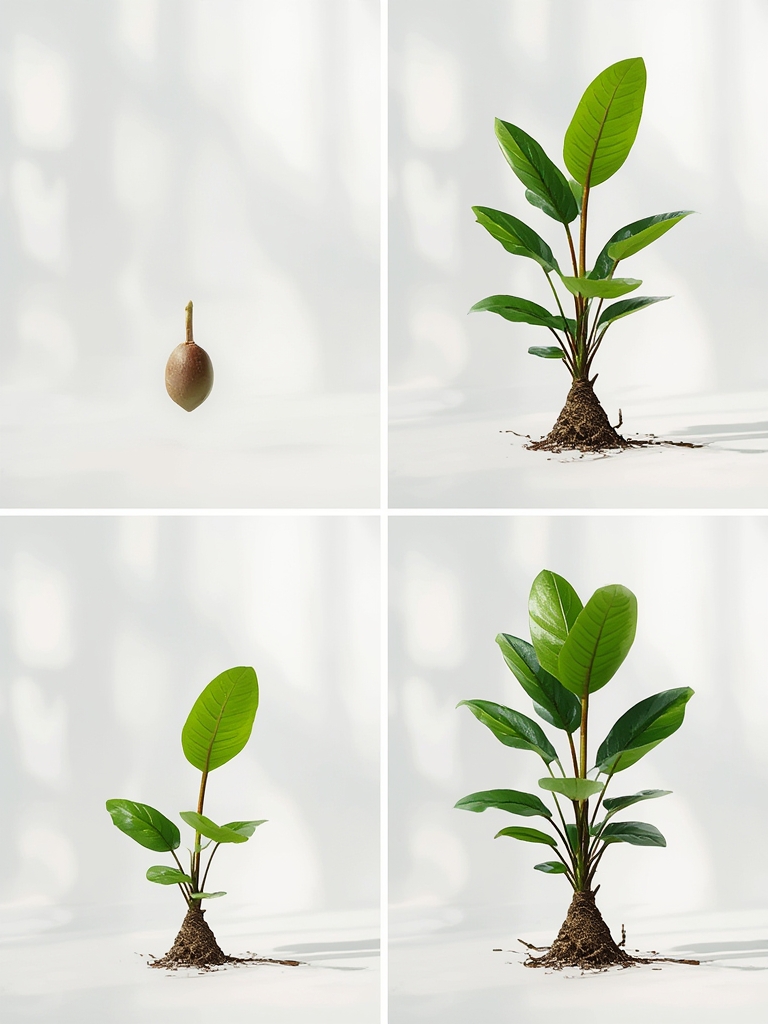
Rubber plants grow steadily year-round but experience most active growth during spring and summer months. Expect about 24 inches of growth annually when conditions are optimal. New plants typically establish themselves within 4-6 weeks after repotting. Plan to repot younger plants annually and mature specimens every 2-3 years, preferably in early spring before the active growing season begins.
Step-by-Step Instructions
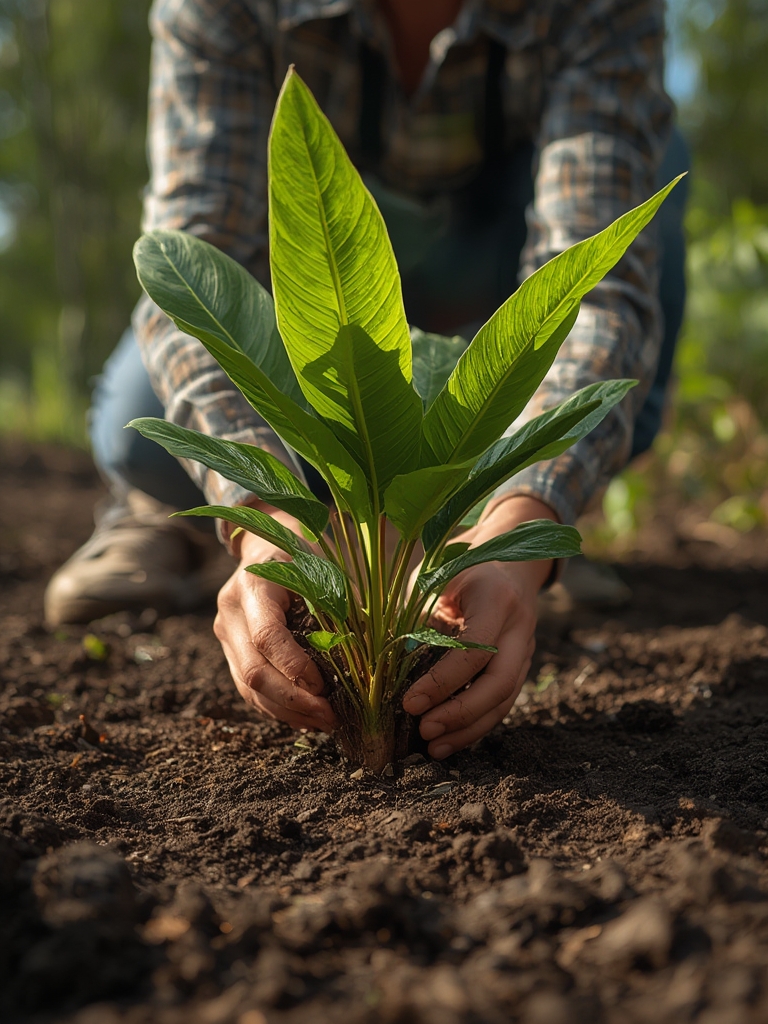
- Select the right location: Position your Rubber Plant in bright, indirect light. Direct sunlight can scorch leaves, while insufficient light leads to leggy growth.
- Prepare your pot: Choose a container 1-2 inches larger than the root ball with drainage holes. Fill the bottom with a layer of pebbles to improve drainage.
- Plant correctly: Use high-quality potting mix with added perlite. Place the ficus elastica at the same depth it was previously growing.
- Establish a watering routine: Water thoroughly when the top 2 inches of soil feel dry. Reduce frequency in winter and avoid waterlogging.
- Maintain humidity: Mist leaves occasionally or use a pebble tray with water to increase ambient moisture.
- Fertilize appropriately: Feed monthly during spring and summer with diluted liquid fertilizer; skip feeding in fall and winter.
Benefits / Advantages
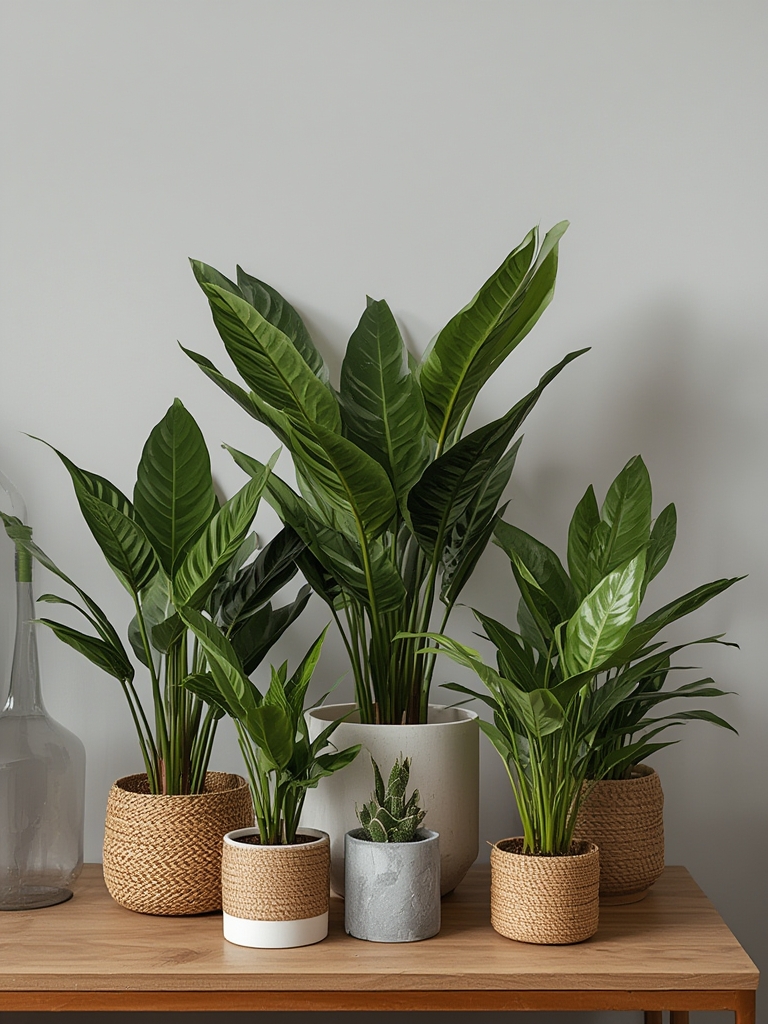
Rubber plants offer numerous advantages beyond aesthetic appeal. They’re exceptional air purifiers, removing formaldehyde, carbon monoxide, and other indoor pollutants. Studies show they can reduce stress levels and improve concentration.
Their thick, waxy leaves collect less dust than many houseplants, making them ideal for allergy sufferers. Additionally, they’re known for their longevity—a well-maintained specimen can thrive for decades.
Tips, Alternative Methods, or Gardening Advice
Consider propagating your rubber plant through air layering or stem cuttings to create new plants for free. For smaller spaces, try the more compact ‘Tineke’ or ‘Ruby’ varieties with variegated foliage. In low-light conditions, supplement with grow lights and reduce watering frequency.
For tropical climates, rubber plants can thrive outdoors in shaded positions. Use a rotating schedule to ensure even growth, turning your plant quarter-turns weekly.
Common Mistakes to Avoid
Overwatering is the most frequent killer of rubber plants yellow leaves often indicate soggy soil. Avoid frequent location changes, as rubber plants prefer consistency. Don’t forget to dust leaves regularly, as accumulated dust blocks light absorption. Skip repotting during dormant winter months to prevent shock. Never use leaf shine products that clog the plant’s stomata—instead, wipe leaves with a damp cloth.
Maintenance Tips
Clean leaves monthly with a damp cloth to remove dust and maintain photosynthesis efficiency. Prune in spring to control size and encourage bushier growth. Remove any dead or yellowing leaves promptly. When leaves develop brown edges, check humidity levels and increase if necessary. Rotate your plant periodically for even growth. Check soil moisture weekly and adjust your watering schedule seasonally.
Conclusion
Growing a healthy Rubber Plant at home rewards you with years of elegant greenery and cleaner air with minimal maintenance. Whether you’re a first-time plant parent or an experienced collector, the ficus elastica offers the perfect balance of dramatic presence and forgiving nature.
Start with these guidelines, adapt to your specific environment, and enjoy watching your rubber plant thrive. Have you grown rubber plants before? Share your experiences in the comments!
FAQs
Why are my rubber plant’s leaves turning yellow?
Yellowing leaves typically indicate overwatering. Allow the soil to dry out between waterings and ensure proper drainage.
Can I propagate my rubber plant?
Yes! Rubber plants propagate successfully from stem cuttings placed in water or directly in soil, or through air layering for thicker stems.
Do rubber plants need direct sunlight?
No, they prefer bright, indirect light. Direct sunlight can scorch the leaves, while too little light causes leggy growth.
How often should I repot my rubber plant?
Young plants benefit from annual repotting, while mature plants can go 2-3 years between repotting. Always use fresh soil.
Is rubber plant sap dangerous?
Yes, the milky sap can cause skin irritation and is toxic if ingested. Always wear gloves when pruning and keep plants away from pets and children.