
Best way to grow Areca palm easy steps
Have you ever wanted to bring a touch of tropical elegance to your living space? The Areca palm is one of the most popular plants for creating that perfect tropical ambiance while purifying your air.
This graceful palm with its feathery fronds can transform any room into a serene oasis. Whether you’re a beginner or experienced plant parent, learning about proper care and Propagation techniques will help your Areca palm thrive for years to come.
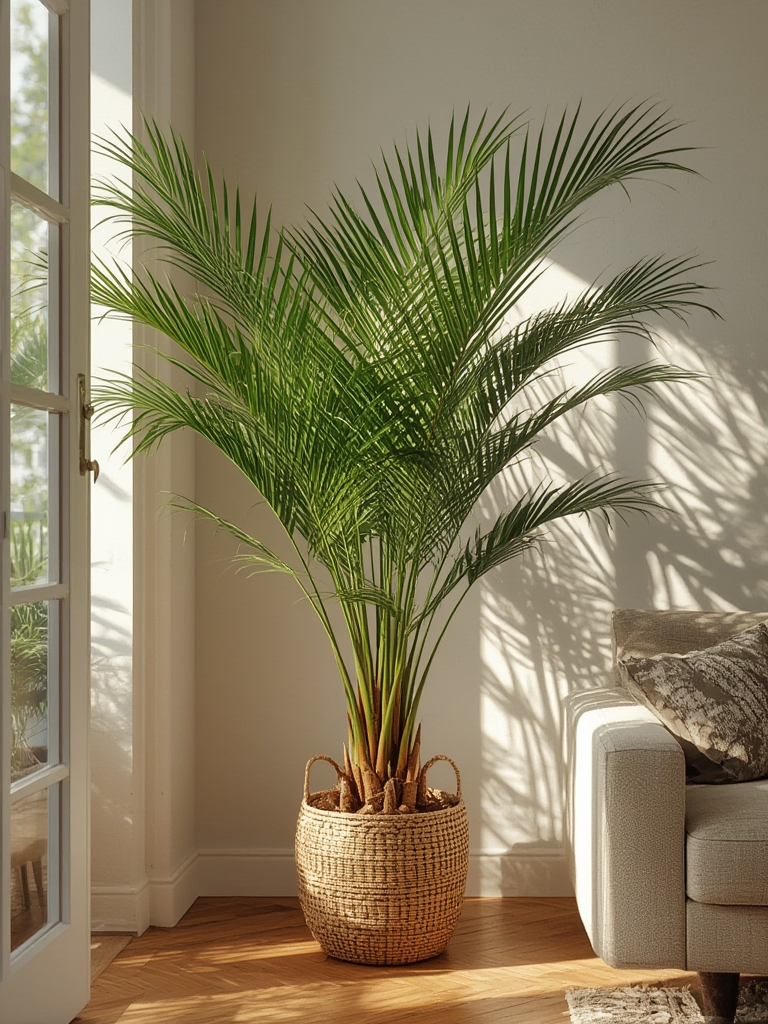
Materials & Supplies
To successfully grow an Areca palm, you’ll need:
- 10-12 inch pot with drainage holes
- Well-draining potting mix (preferably a palm-specific mix)
- Pebbles or stones for drainage layer
- Watering can with a narrow spout
- Spray bottle for misting
- Pruning shears or sharp scissors
- Slow-release palm fertilizer
- Humidifier (optional but beneficial)
- Neem oil (for pest control)
- Plant stakes (for supporting taller specimens)
Timing / Growing Schedule
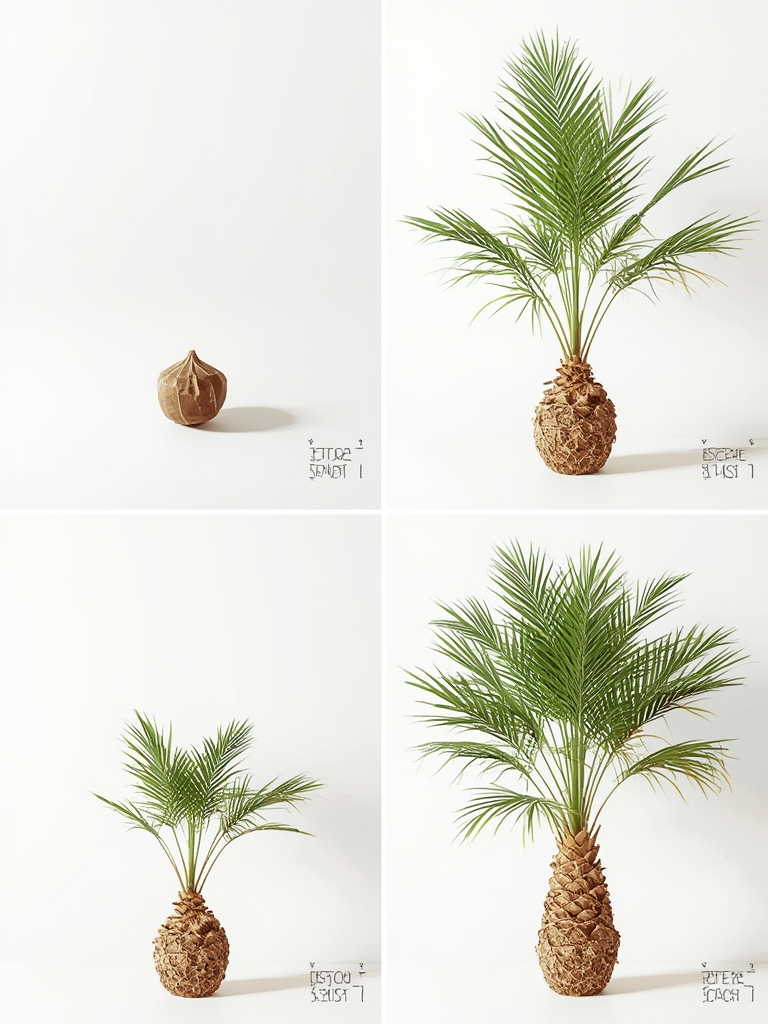
Areca palms are relatively slow-growing, especially indoors. Expect your palm to reach maturity in 5-7 years, growing approximately 6-10 inches per year in ideal conditions. Spring and summer are the active growing seasons, making them the optimal times for repotting or starting new plants. During winter, growth significantly slows, so reduce watering and hold off on fertilizing. Unlike fast-growing houseplants like pothos, patience is key with Arecas.
Step-by-Step Instructions
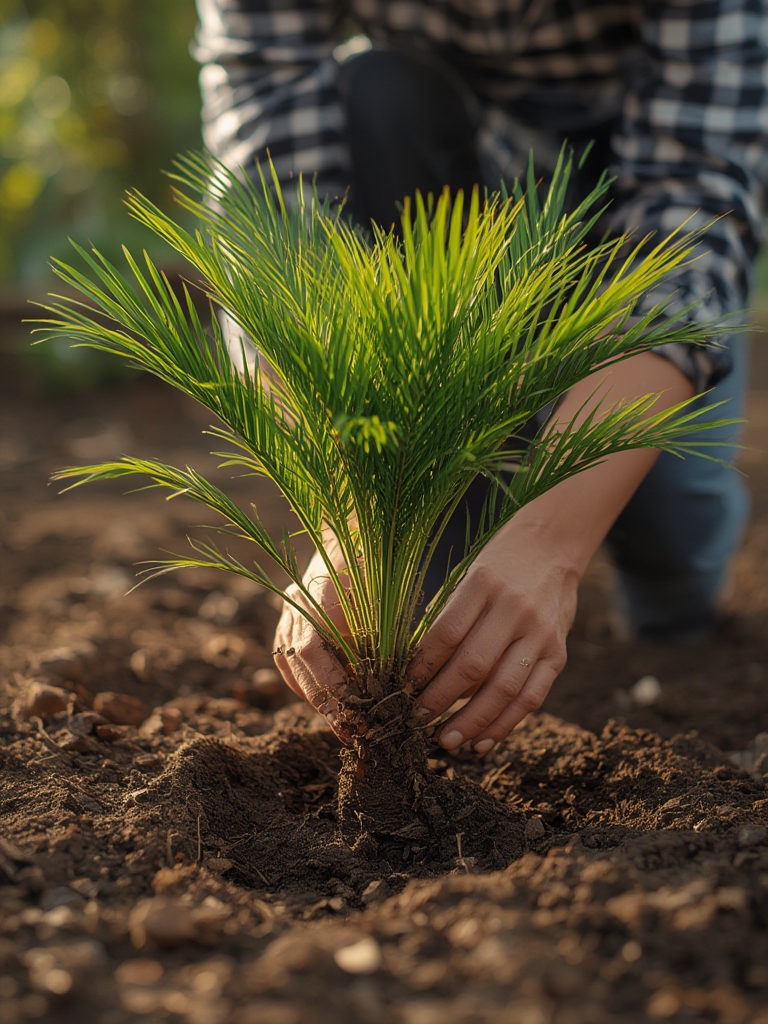
Select the right location: Position your Areca palm in bright, indirect light. Direct sunlight can scorch the leaves.
Prepare the pot: Add a layer of pebbles at the bottom for drainage, then fill halfway with palm-specific potting mix.
Planting: Place the palm in the center of the pot, ensuring it sits at the same depth as its previous container. Fill in with soil around the roots.
Watering routine: Keep soil consistently moist but not soggy. Allow the top inch to dry out between waterings.
Humidity management: Mist the fronds regularly or use a humidifier nearby, as Arecas thrive in humid environments.
Feeding schedule: Apply a diluted liquid fertilizer monthly during growing season (spring and summer).
Propagation: Divide mature plants during repotting by gently separating clusters with roots attached.
Benefits / Advantages
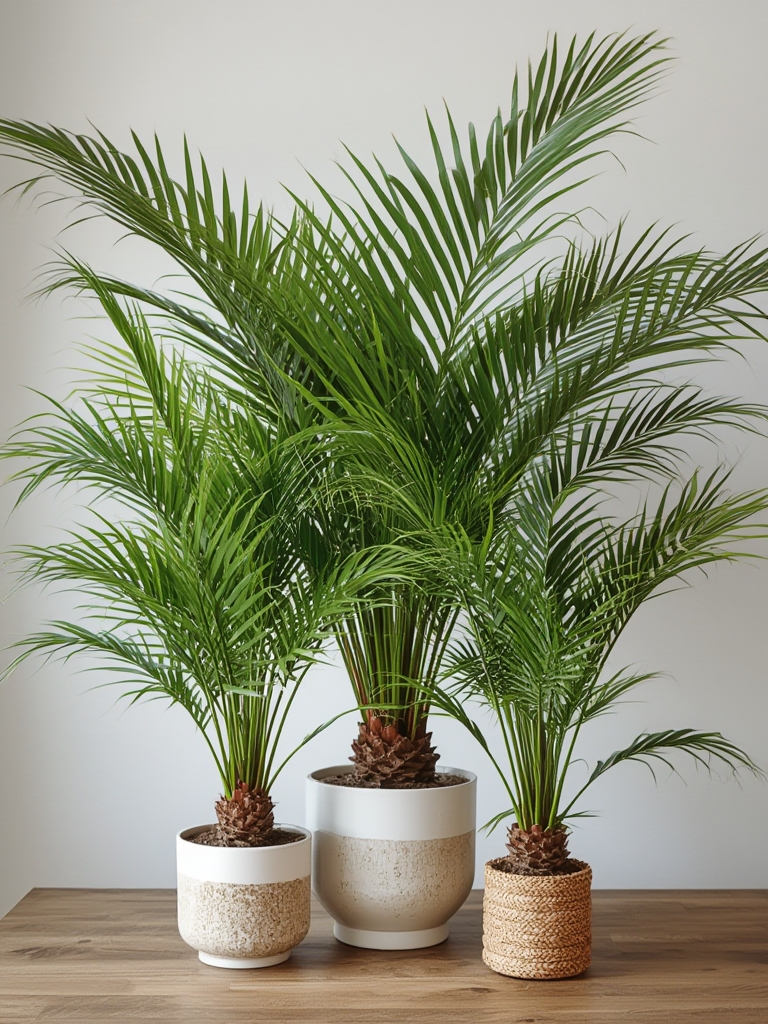
Areca palms offer impressive benefits beyond aesthetics:
- Excellent air purifier, removing toxins like formaldehyde, xylene, and toluene
- Natural humidifier, releasing moisture into the air
- Creates visual separation in open spaces
- Reduces stress and enhances mood through biophilic connection
- Non-toxic to pets, making it a safe choice for animal owners
- Improves concentration and productivity in work environments
Tips, Alternative Methods, or Gardening Advice
Consider these variations for growing your Areca palm:
- Group with other humidity-loving plants to create a microclimate
- Use self-watering pots for consistent moisture levels
- Try hydroculture growing in water and LECA for reduced maintenance
- In warm climates (zones 10-11), Arecas can thrive outdoors in dappled shade
- Rotate your palm quarterly to ensure even growth on all sides
Common Mistakes to Avoid
- Overwatering: Leads to root rot and yellowing fronds
- Insufficient light: Results in leggy growth and leaf drop
- Cold drafts: Causes browning leaf tips and stress
- Using tap water: Minerals can cause leaf burn (use filtered water)
- Ignoring pests: Spider mites and scale insects can quickly infest if not treated promptly
- Repotting too frequently: Disrupts growth cycle (repot only every 2-3 years)
Maintenance Tips
Keep your Areca palm looking its best by:
- Trimming brown or yellowed fronds at the base
- Wiping leaves with a damp cloth monthly to remove dust
- Inspecting regularly for pests, especially under fronds
- Maintaining temperatures between 65-75°F (18-24°C)
- Applying neem oil preventatively every few months
- Moving away from heat sources and air conditioning vents
Conclusion
With proper care, the Areca palm makes an impressive addition to any indoor garden. These elegant palms reward your attention with lush foliage and improved air quality. Don’t be intimidated by their tropical naturefollowing these guidelines for care and Propagation will help ensure your palm thrives for years. Why not start growing your own tropical paradise today? Share your palm growing journey in the comments!
FAQs
Why are my Areca palm’s leaves turning yellow?
Yellowing leaves typically indicate overwatering or poor drainage. Allow the soil to dry slightly between waterings and ensure your pot has drainage holes.
How tall will my indoor Areca palm grow?
Indoor Areca palms typically reach 6-7 feet tall at maturity, though they grow slowly and can be maintained at smaller sizes with proper pruning.
Can I place my Areca palm in direct sunlight?
No, Areca palms prefer bright, indirect light. Direct sunlight will scorch the fronds, causing brown patches and stress.
How often should I fertilize my Areca palm?
Fertilize monthly during spring and summer with a diluted liquid fertilizer formulated for palms. Stop fertilizing in fall and winter when growth slows.
Why do my Areca palm’s leaf tips turn brown?
Brown tips are usually caused by low humidity, mineral buildup from tap water, or drafty conditions. Increase humidity, use filtered water, and move away from vents and doors.