
9 Essential Marigold Growing Tips
Have you ever dreamed of adding vibrant splashes of orange, yellow, and red to your garden that repel pests naturally? Marigold plants are the perfect solution for both novice and experienced green thumbs. These cheerful flowers aren’t just beautiful; they’re incredibly practical for companion planting and natural pest management.
Table of Contents
Growing marigolds at home is surprisingly simple and rewarding when you have the right approach. Whether you’re looking to enhance your vegetable garden’s health or create stunning flower beds, incorporating gardening techniques specific to marigolds will ensure success with minimal effort. Let’s explore how to cultivate these beneficial blooms from start to finish.
Materials & Supplies
- Marigold seeds or seedlings: Choose between African, French, or Signet varieties based on your preference
- Potting soil or garden soil: Well-draining with moderate fertility
- Plant containers or garden bed space: 6-8 inch pots if container planting
- Watering can or hose with spray nozzle: For gentle watering
- Balanced fertilizer (optional): 10-10-10 works well
- Pruning shears or scissors: For deadheading and harvesting
- Mulch: Helps retain moisture and suppress weeds
- Garden gloves: Protects hands during planting and maintenance
- Plant markers: To identify different varieties
- Compost or organic matter: To enhance soil quality
Timing / Growing Schedule
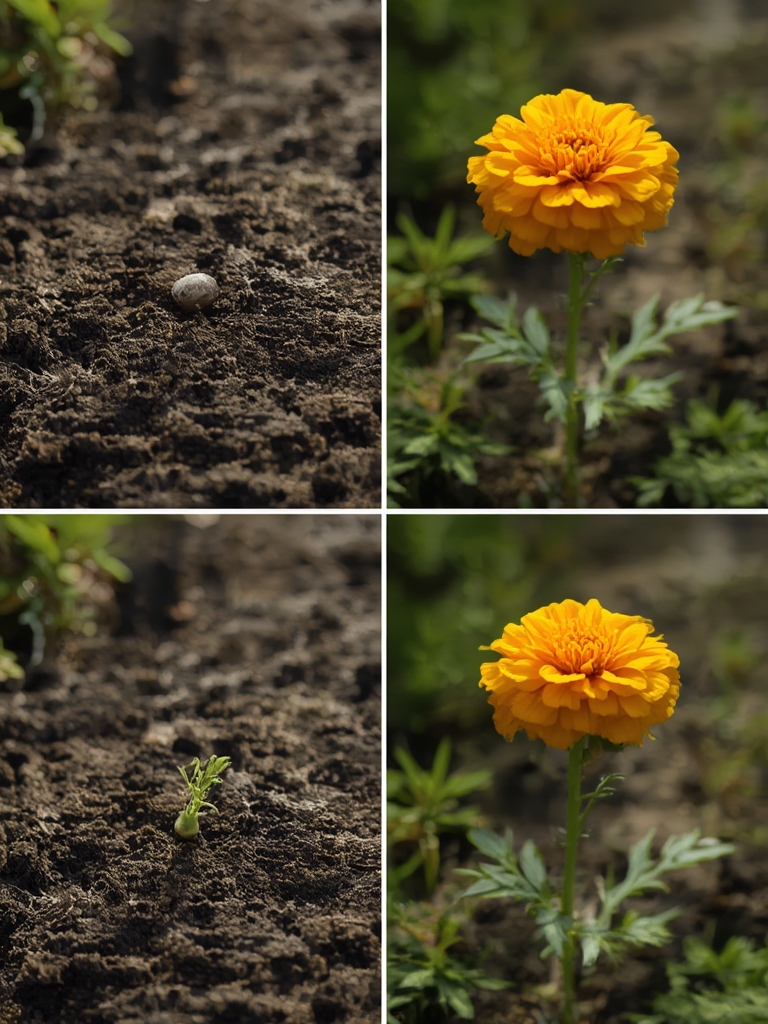
Marigolds grow relatively quickly compared to many flowering plants. Seeds germinate in just 5-7 days in warm soil. From seeding to first bloom typically takes 45-50 days, making them perfect for impatient gardeners. Plan to start seeds indoors 6-8 weeks before your last frost date, or direct sow when soil temperatures reach 65°F (18°C). In most climates, you can enjoy continuous blooms from late spring until the first frost in fall—a flowering period of up to 6 months in warmer regions.
Step-by-Step Instructions
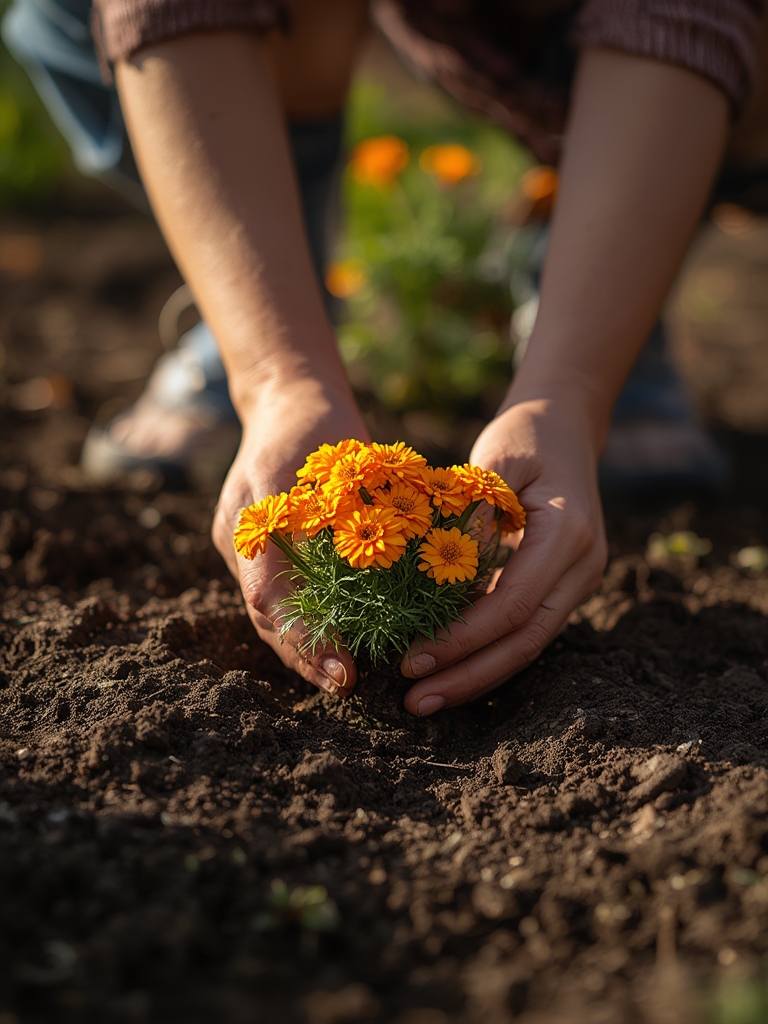
Prepare your growing location: Choose a spot with at least 6 hours of direct sunlight daily. Marigold plants thrive in full sun and average soil conditions.
Start seeds indoors (optional): Plant seeds ¼ inch deep in seed-starting mix, maintaining soil temperature around 70-75°F for optimal germination.
Transplant or direct sow: Space plants 8-12 inches apart depending on variety, with taller African marigolds needing more room than compact French varieties.
Water properly: Keep soil consistently moist but not waterlogged until established. Afterward, water only when the top inch of soil feels dry.
Fertilize sparingly: Apply a light application of balanced fertilizer when plants are about 6 inches tall. Over-fertilizing produces lush foliage at the expense of flowers.
Deadhead regularly: Remove spent blooms to encourage continuous flowering and prevent self-seeding.
Benefits / Advantages

- Natural pest deterrent for vegetable gardens, repelling nematodes, mosquitoes, and aphids
- Edible flowers that can add color and a citrusy flavor to salads (ensure no pesticides were used)
- Attract beneficial pollinators like butterflies and bees to your garden
- Low-maintenance annual that provides consistent color from spring to fall
- Natural dye source for fabrics and foods
- May improve soil health by secreting compounds that suppress certain soil pathogens
Tips, Alternative Methods, or Gardening Advice
For container gardening, choose dwarf varieties like ‘Bonanza’ or ‘Janie’ that stay compact. In hot climates, provide afternoon shade to extend the blooming season. Consider succession planting every 2-3 weeks for continuous blooms throughout the season. For an interesting twist, try growing marigolds in hanging baskets using trailing varieties. In vegetable gardens, interplant marigolds between tomatoes, peppers, and cabbage to naturally deter pests.
Common Mistakes to Avoid
- Overwatering: Causes root rot and fungal issues—allow soil to dry slightly between waterings
- Crowding plants: Leads to poor air circulation and disease—follow spacing guidelines
- Ignoring deadheading: Reduces blooming potential—remove spent flowers regularly
- Over-fertilizing: Creates lush foliage with fewer flowers—use fertilizer sparingly
- Planting too early: Seeds won’t germinate in cold soil—wait until soil warms to at least 65°F
Maintenance Tips
Water at the base to keep foliage dry and prevent fungal issues. Mulch around plants to retain moisture and reduce weed competition. If plants become leggy, pinch back the growing tips to encourage bushier growth. After flowering, collect seeds from spent blooms for next year’s garden—store in cool, dry conditions. In frost-free areas, cut back plants by one-third in late summer to rejuvenate for fall blooming.
Conclusion
Marigolds offer incredible value for minimal effort in home gardens. From their pest-repelling properties to their cheerful, long-lasting blooms, these flowers deserve a place in every garden. Whether you’re an experienced gardener or just starting your gardening journey, Marigold cultivation provides satisfying results and multiple benefits. Why not start planting some this season? Share your marigold success stories in the comments below!
FAQs
How long do marigold flowers last after cutting?
Cut marigolds typically last 5-7 days in a vase. For maximum longevity, harvest in the morning, remove lower leaves, and change water every 2-3 days.
Can marigolds survive winter?
Marigolds are annuals in most regions and won’t survive frost. However, in zones 9-11, some varieties may continue growing through mild winters or reseed themselves.
Do marigolds really repel mosquitoes?
While they contain pyrethrum (a natural insecticide), marigolds alone won’t eliminate mosquitoes. They work best as part of an integrated pest management approach.
Why are my marigold leaves turning yellow?
Yellowing leaves typically indicate overwatering, poor drainage, or nutrient deficiencies. Check soil moisture and ensure proper drainage; consider testing soil if problems persist.
Can marigolds be grown indoors?
Yes, compact varieties can grow indoors with 6-8 hours of direct sunlight daily. Use well-draining soil, provide good air circulation, and grow in containers at least 6 inches deep.