
8 Pro Gardening Tips to Transform Your Outdoor Space
Last updated: May 2026
Gardening time and spending in 2025 hit their highest levels since 2022 — Axiom’s 2026 Gardening Outlook found that 47.6% of Americans spent more time in the garden last year, and 63.6% plan to expand their plots in 2026 (Greenhouse Product News, 2026). Whether you’re starting from scratch or trying to get more out of an existing patch, these 8 pro outdoor gardening tips cut through the noise and give you what actually works.
Key Takeaways
• 63.6% of gardeners plan to expand their gardens in 2026 — momentum is on your side (Axiom, 2026).
• Healthy soil with compost beats expensive fertilizer every single time.
• Most garden failures trace back to three mistakes: overwatering, wrong plant placement, and skipping soil prep.
• Vertical gardening can triple your usable growing area without needing more ground space.
• 30 minutes of gardening burns 135–189 calories — it qualifies as moderate exercise (Harvard Medical School).
Tip 1: Choose the Right Location Before You Plant Anything
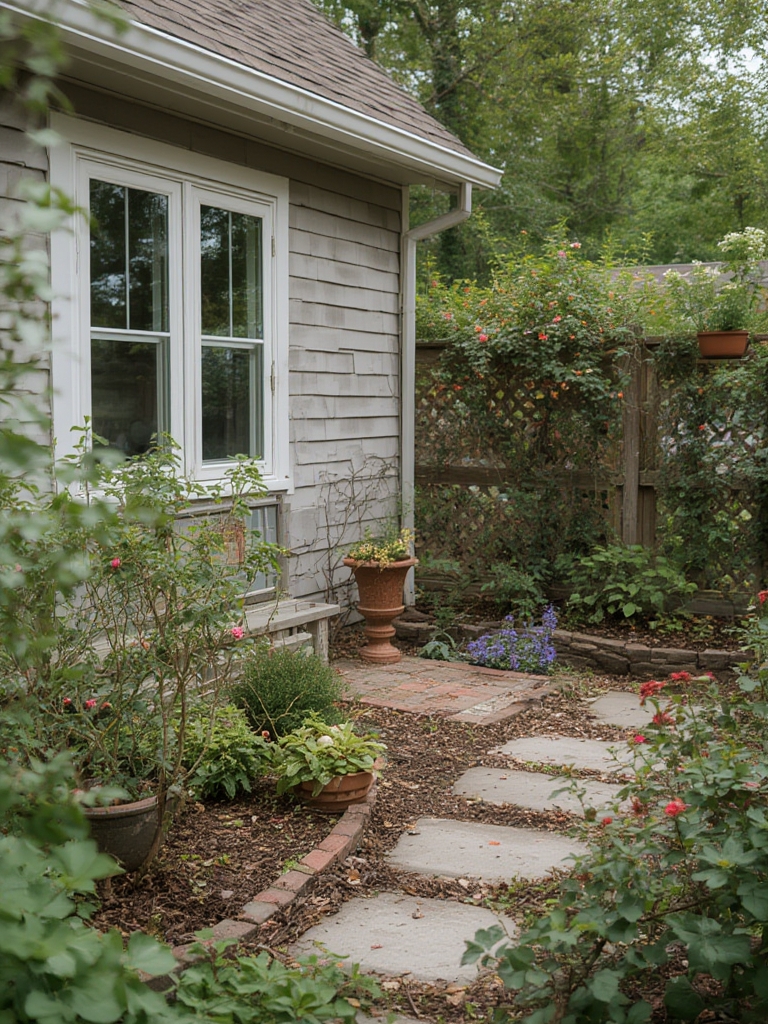
Most plants need 6–8 hours of direct sunlight daily — get this wrong and nothing else will save your garden. Before breaking ground, spend a few days tracking where sunlight lands at different times. South-facing spots get the most sun in the northern hemisphere. Low spots that hold water after rain spell trouble for most vegetables. Go north-facing and you’re working against nature from day one.
Proximity to water matters just as much. Dragging a hose 50 feet every morning is a fast road to skipped watering days. Group your beds near an outdoor tap, or plan drip irrigation from the start. And make sure paths are wide enough (at least 18 inches) to work without compacting the soil around your plants.
- Sun check: minimum 6 hours for vegetables; 3–4 hours for leafy greens and herbs
- Drainage: avoid areas that pool water after rainfall
- Water access: under 30 feet from a tap is ideal
- Wind shelter: sheltered spots reduce moisture loss and stem damage
Tip 2: Build Healthy Soil — It Matters More Than Any Fertilizer
Soil health is the single most overlooked factor in home gardening. Research consistently shows that compost-enriched soil produces higher-yielding, more nutrient-dense crops than synthetically fertilized plots — without the salt buildup that chemical fertilizers leave behind (Rodale Institute, 30-Year Farming Systems Trial). Before planting, test your soil pH (aim for 6.0–7.0 for most vegetables) and work in 3–4 inches of aged compost. That’s it. That one step fixes drainage in clay soils and water retention in sandy ones simultaneously.
You don’t need to till deeply. Shallow working at 6–8 inches is plenty for annual vegetables and is far easier on your back and on soil structure. Earthworms will do the deeper work for you once the organic matter is in place.
Tip 3: Pick Plants That Match Your Climate Zone
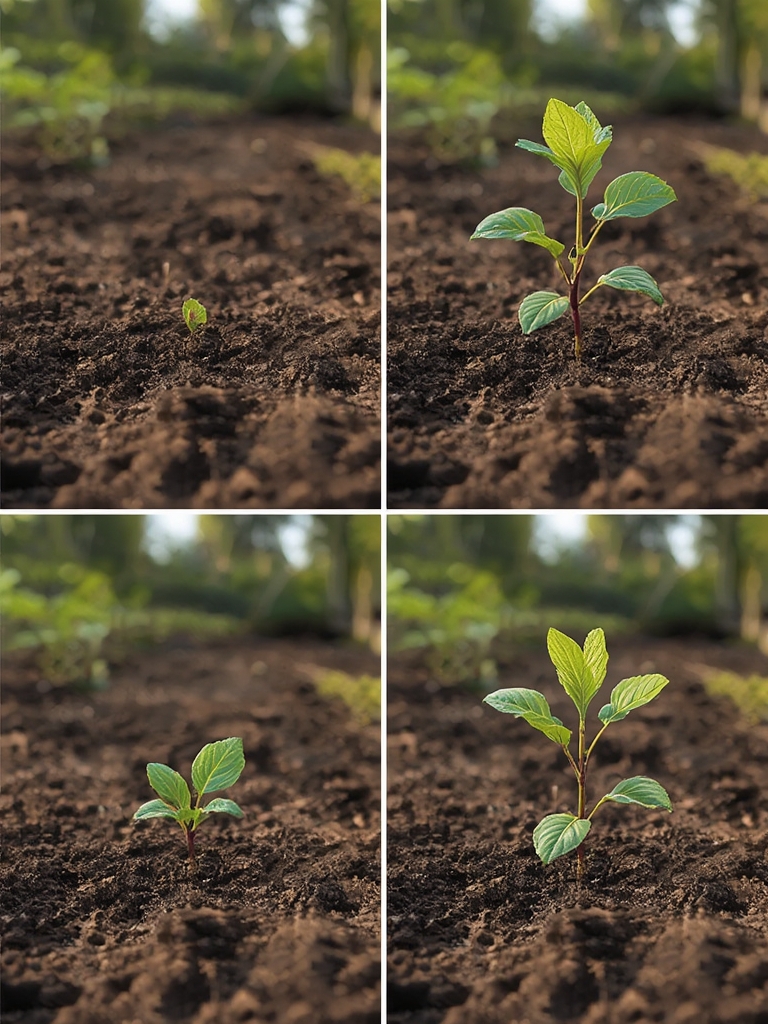
Fighting your climate is the fastest way to kill a garden. The USDA Plant Hardiness Zone Map divides North America into 13 zones, and planting outside your zone means betting against the weather every single season. Start with proven performers: tomatoes, zucchini, and beans in warm climates; lettuce, kale, and peas in cool ones. Always check the seed packet’s “days to maturity” against your actual frost-free window — not the regional average.
Mix annuals with perennials. Annuals like basil and marigolds give you fast wins and easy variety each year. Perennials like asparagus, rhubarb, and most herbs establish slowly but produce for years without replanting. A garden with both is more productive and less work over the long run.
Tip 4: Water Deeply and Infrequently — Not Every Day
Overwatering kills more home garden plants than drought does. Frequent shallow watering trains roots to stay near the surface, making plants fragile during any dry stretch. Instead, water deeply 2–3 times per week (about 1 inch total per week), letting soil dry slightly between sessions. Not sure when to water? Stick your finger 2 inches into the soil. Still moist? Wait another day.
Water at the soil line, not the leaves. Wet foliage that stays damp overnight is the primary cause of fungal diseases — powdery mildew, black spot, botrytis. Morning is the best time to water: leaves dry quickly in daylight, and roots absorb moisture before afternoon heat hits. A basic drip irrigation timer costs around $20 and pays for itself in one season by reducing both water use and plant losses.
Tip 5: Mulch Your Beds Every Season Without Fail
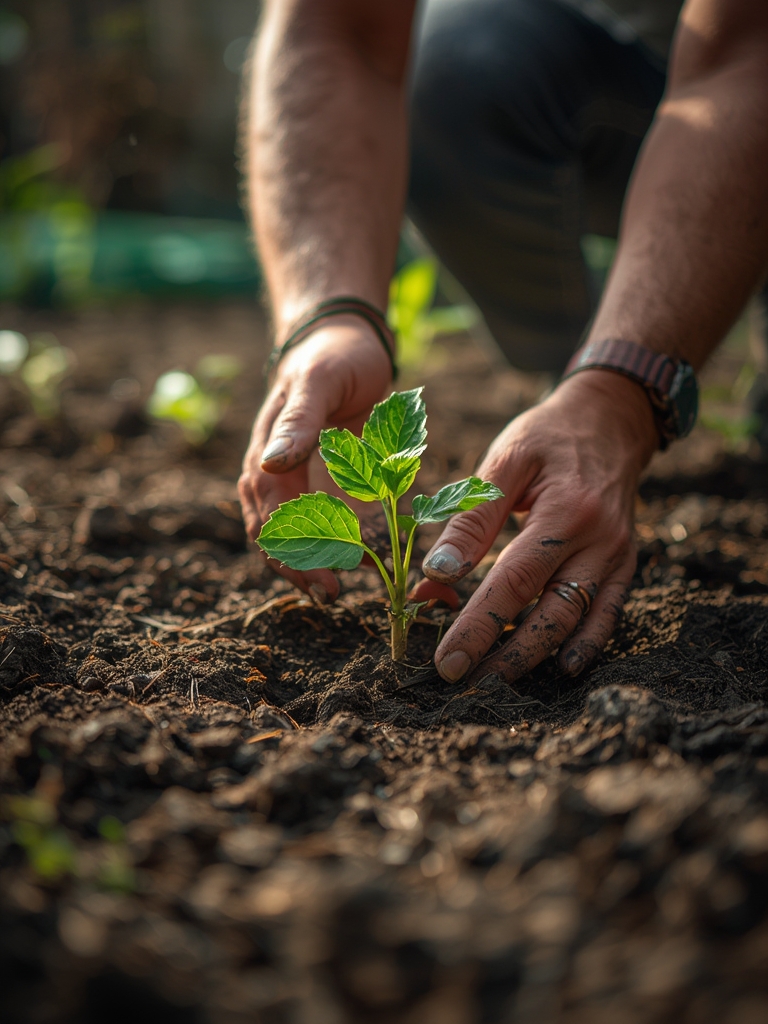
A 2–3 inch layer of organic mulch reduces garden watering needs by up to 50% by slowing evaporation from the soil surface. It suppresses weeds, which cuts weeding time dramatically in mulched beds versus bare soil. It also moderates soil temperature in both summer heat and early spring cold, and breaks down slowly to feed soil biology over time. Straw, wood chips, shredded leaves, and grass clippings all work — use whatever is cheapest or most available in your area.
Apply mulch right after planting, keeping it a few inches back from plant stems to avoid rot. Refresh each spring before the growing season. By midsummer, you’ll spend a fraction of the time weeding and watering compared to bare-soil beds.
Tip 6: Try Companion Planting to Reduce Pests Naturally
Companion planting pairs plants that protect each other — reducing pesticide needs without sacrificing yields. The classic “Three Sisters” combination of corn, beans, and squash has been used by Indigenous farmers for centuries and remains one of the most productive combinations in outdoor vegetable gardening. Tomatoes paired with basil repel aphids and whiteflies. Marigolds planted along garden borders confuse and deter a wide range of soil pests and nematodes.
Watch out for bad combinations too. Fennel inhibits growth in tomatoes, peppers, and basil — keep it isolated. Onions stunt bean growth. Brassicas (cabbage, broccoli, kale) compete aggressively with each other when planted too close together. A printed companion planting chart costs nothing and prevents a lot of expensive mistakes.
Tip 7: Go Vertical to Triple Your Growing Space
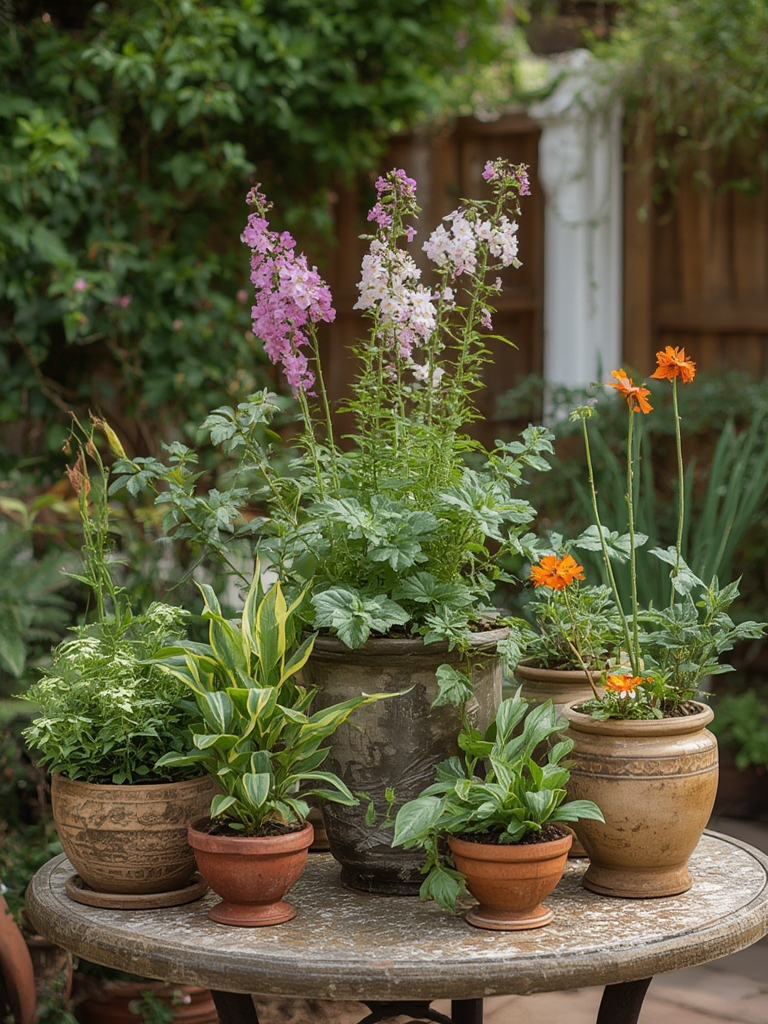
Vertical gardening is the most space-efficient upgrade you can make to a small outdoor area. Trellises, wall-mounted planters, and vertical towers let you grow upward rather than outward — effectively tripling your usable growing area on a standard patio or balcony. Cucumbers, beans, peas, and small squash all thrive on vertical supports. So do strawberries, herbs, and compact tomato varieties.
There’s a bonus beyond space: vertically grown plants get better air circulation, which sharply reduces fungal disease risk. They’re also easier to harvest and inspect for pest damage. A simple 6-foot bamboo trellis costs under $15 and lasts several seasons. For a permanent structure, cedar or powder-coated steel holds up for decades with zero maintenance.
Tip 8: Keep a Garden Journal — Your Future Self Will Thank You
A garden journal is the cheapest performance tool you have. Recording what you planted, when, what thrived, and what failed turns every season into real data. Over two or three seasons, clear patterns emerge: which varieties outperformed others, which pests showed up in June versus August, when your last frost actually occurred versus the published average. That kind of local, first-hand data beats any generic regional gardening chart.
Keep it simple. A notebook, a phone notes app, or a dated photo album all work fine. Record planting dates, first harvests, pest appearances, unusual weather. Five minutes of notes after each garden session saves hours of guesswork the following year.
Common Outdoor Gardening Mistakes to Avoid
- Overwatering: Roots need air as much as water. Soggy soil causes root rot faster than dry soil does. When in doubt, hold off a day.
- Crowding plants: Poor spacing cuts yields and spreads disease. Follow the spacing on seed packets — it was tested for a reason.
- Skipping soil prep: Planting into unprepared, compacted soil is like building on sand. Spend more time on soil and less on fertilizers.
- Wrong planting time: Warm-season crops planted too early get caught by late frost; cool-season crops left in summer heat bolt immediately. Know your last and first frost dates.
- Ignoring drainage: A beautiful garden sited in a waterlogged spot will always struggle. Raise your beds if drainage is poor — it’s worth the effort.
Does Outdoor Gardening Actually Benefit Your Health?
Yes — and the research is clear. A 2025 systematic review and meta-analysis published in BMC Public Health found that gardening activities were associated with 43% lower odds of poor health outcomes, including anxiety and physical limitations (NIH, 2025). Harvard Medical School data shows 30 minutes of moderate gardening burns 135–189 calories — equivalent to a casual walk or cycling session. Gardeners who tend their plots for more than 8 hours per week consistently report lower anxiety scores than non-gardeners.
On the financial side: produce prices have climbed roughly 29% since 2009 (USDA Economic Research Service, 2024). A well-managed 10×10 foot vegetable bed can yield $600–$1,000 worth of produce per season once basic setup is done. That’s a return you won’t find in most places.
Frequently Asked Questions
How much time does outdoor gardening take each week?
Most home gardens need 2–4 hours weekly during the growing season, split between watering, weeding, and monitoring. A well-mulched, established garden in its second or third year typically needs under 2 hours per week.
Can I garden outdoors with limited sunlight?
Yes. Leafy greens (spinach, lettuce, arugula) and herbs (mint, parsley, chives) thrive with just 3–4 hours of sun. Avoid fruiting vegetables like tomatoes, peppers, and squash in shaded spots — they need full sun to produce.
What’s the easiest outdoor garden setup for beginners?
A raised bed with 50% compost, 30% topsoil, and 20% perlite gives beginners the highest success rate. Start with fast-growing plants — radishes, zucchini, lettuce, and basil all mature in under 60 days and teach the fundamentals quickly.
How do I garden without chemicals?
Focus on soil health, companion planting, and physical pest barriers. Neem oil, insecticidal soap, and diatomaceous earth handle most common pests organically. Crop rotation each season prevents soil-borne diseases from building up.
When should I fertilize my garden?
Fertilize at planting time with a balanced slow-release option, then again at the start of flowering or fruiting. Compost-rich soil often needs no extra fertilizer at all. Always water after applying to avoid root burn.