
8 Pro Gardening Tips to Transform Your Outdoor Space
Have you ever dreamed of creating your own vibrant, productive garden space? Outdoor Gardening offers a rewarding connection with nature that benefits both your physical and mental health.
Whether you have acres of land or just a small patio, establishing an outdoor garden can transform your living environment while providing fresh produce and beautiful blooms. Let’s explore how to create a thriving garden space that will delight your senses and nourish your table throughout the growing season.
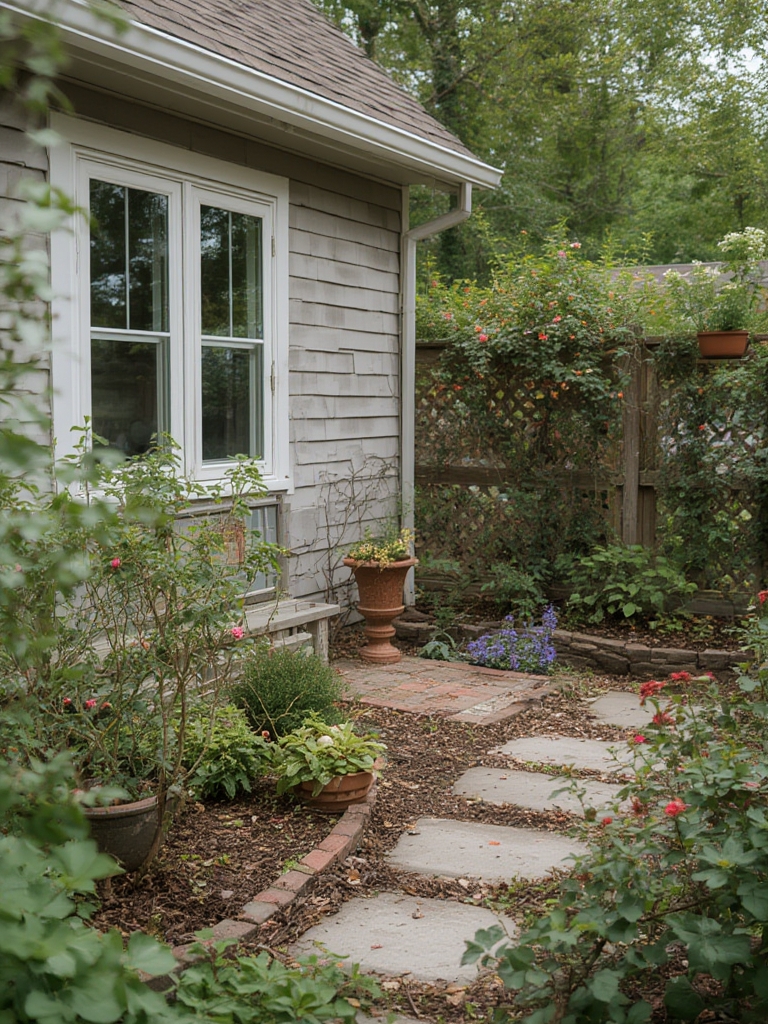
Gardening Materials & Supplies
To start your garden journey, you’ll need:
- Garden tools: Shovel, trowel, rake, pruners, and garden gloves
- Growing medium: Quality garden soil, compost, and mulch
- Plants: Seeds, seedlings, or bulbs of your chosen varieties
- Watering equipment: Watering can, hose with adjustable nozzle, or drip irrigation system
- Support structures: Trellises, cages, or stakes for climbing plants
- Fertilizers: Organic or slow-release options specific to your plant types
- Protection: Row covers, netting, or fencing to deter pests
- Containers: If space is limited or for growing tender plants (optional)
- Garden journal: To track planting dates, successes, and challenges
Timing / Growing Schedule
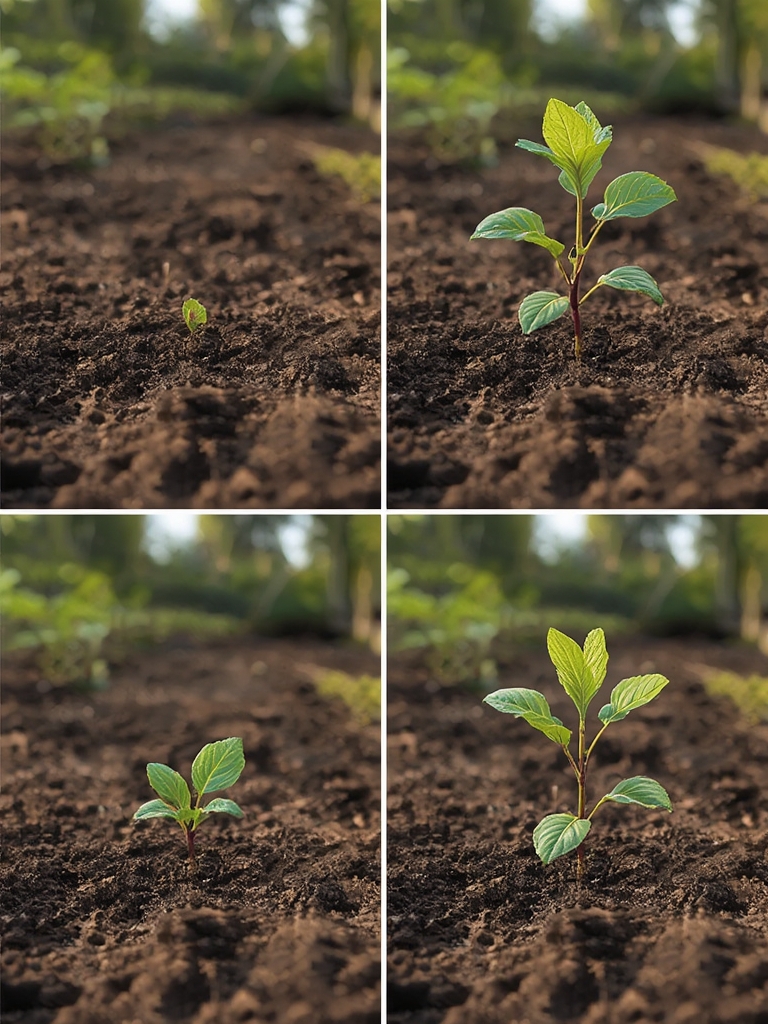
For most regions, garden planning begins in winter, with active planting starting in spring after the last frost date. Cool-season crops like lettuce and peas can be planted 4-6 weeks before the last frost, while warm-season vegetables such as tomatoes and peppers should wait until all danger of frost has passed. Summer is maintenance season, with fall bringing a second planting window for cool-season crops. A full garden cycle typically spans 6-9 months, though this varies by climate zone. Most annual vegetables reach maturity within 60-90 days, while perennial plants establish over 1-3 years.
Step-by-Step Instructions
- Plan your garden layout: Consider sunlight exposure (most plants need 6-8 hours daily), water access, and traffic flow. Group plants with similar needs together.
- Prepare your soil: Test your soil pH and amend as needed with compost or specific nutrients. Proper soil preparation is crucial for successful Outdoor Gardening.
- Select appropriate plants: Choose varieties suited to your climate zone and garden conditions. Mix flowers with vegetables to attract beneficial insects.
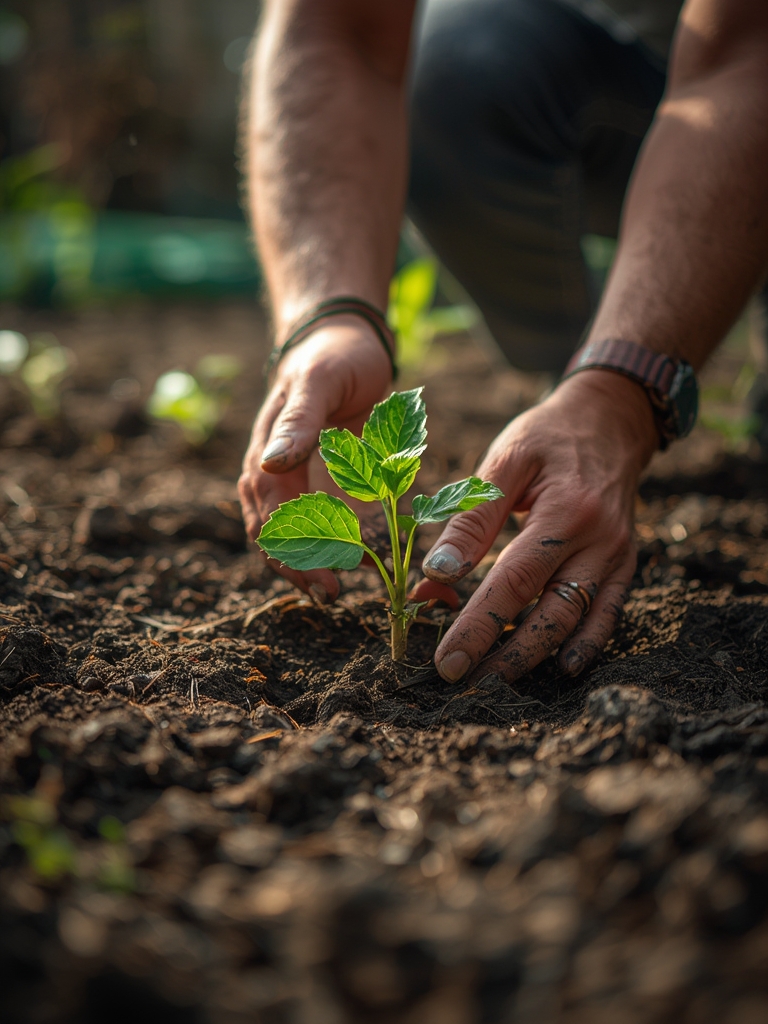
- Plant properly: Follow seed packet or nursery instructions for spacing and planting depth. Water thoroughly after planting.
- Establish a maintenance routine: Regular watering, weeding, and monitoring for pests will ensure your outdoor garden thrives throughout the season.
- Harvest regularly: Pick vegetables when they reach peak ripeness and deadhead flowers to encourage continued blooming.
Benefits / Advantages
Gardening provides numerous benefits, including:
- Fresh, nutritious produce with superior flavor and higher vitamin content
- Significant savings on grocery bills, especially for organic produce
- Physical exercise that burns calories while strengthening muscles
- Stress reduction and improved mental health through connection with nature
- Environmental benefits including reduced carbon footprint and increased biodiversity
- Educational opportunities for children to learn about food systems and ecology
Tips, Alternative Methods, or Gardening Advice
Consider vertical gardening to maximize limited space – trellises, wall planters, and hanging baskets can triple your growing area. For urban settings, container gardening allows flexibility and mobility. Raised beds offer better drainage and soil control while being easier on your back. Companion planting (like tomatoes with basil) can naturally deter pests and enhance growth. For challenging climates, season extenders like cold frames or greenhouse structures can add months to your growing season.
Common Mistakes to Avoid
- Overwatering: Most plants prefer consistent moisture but suffer in soggy conditions. Water deeply but infrequently.
- Improper spacing: Crowded plants compete for resources and have poor air circulation, leading to disease. Follow spacing guidelines.
- Neglecting soil health: Feed your soil with compost rather than relying solely on fertilizers.
- Planting at the wrong time: Follow local planting calendars for optimal results.
- Fighting nature: Work with your natural conditions rather than trying to grow plants unsuited to your climate.
Maintenance Tips
Regular maintenance ensures garden success. Water deeply at soil level, preferably in the morning. Mulch beds with 2-3 inches of organic material to suppress weeds and retain moisture. Feed plants with appropriate fertilizers during peak growing periods. Prune as needed to encourage bushier growth or maintain size. Monitor for pests and diseases weekly, addressing problems promptly with the least toxic solution. Winterize your garden by cleaning up debris, protecting perennials, and adding compost to beds.
Conclusion
Creating and maintaining an outdoor garden offers endless rewards beyond just beautiful plants. The skills you develop through Outdoor Gardening will grow alongside your plants, providing satisfaction and nourishment for years to come. Start small, learn from each season, and don’t be afraid to experiment. Your garden will become a personal sanctuary that changes with the seasons and reflects your unique vision. Why not begin your garden journey today? Share your experiences in the comments or explore our related posts on specific plant varieties!
FAQs
How much time does gardening require weekly?
Most home gardens need 2-4 hours of attention weekly, divided between watering, weeding, and monitoring. Larger gardens or intensive growing seasons may require more time.
Can I garden if I have limited sunlight?
Yes! Many leafy greens, herbs, and some flowering plants thrive in partial shade (3-4 hours of sun). Focus on shade-tolerant varieties like hostas, ferns, and impatiens.
What’s the easiest way to start gardening with children?
Begin with fast-growing plants like sunflowers, radishes, or beans that provide quick results. Give children their own garden space and child-sized tools to encourage ownership.
How can I garden organically without chemicals?
Focus on building healthy soil with compost, practice crop rotation, use physical barriers for pests, introduce beneficial insects, and select disease-resistant varieties. Prevention is key in organic gardening.
When should I fertilize my garden?
Most plants benefit from fertilizer application when first planted and again when flowering or fruiting begins. Always follow package directions and avoid over-fertilizing, which can damage plants and pollute waterways.