
7 Winter Lettuce Growing Tips for winter
Have you ever wondered how to enjoy fresh, homegrown salads even during the coldest months of the year? Growing Winter Lettuce at home can be a rewarding experience that provides nutritious greens when most garden plants are dormant. The crisp texture and vibrant flavors of freshly harvested lettuce can transform your winter meals and save you money on expensive store-bought produce.
Table of Contents
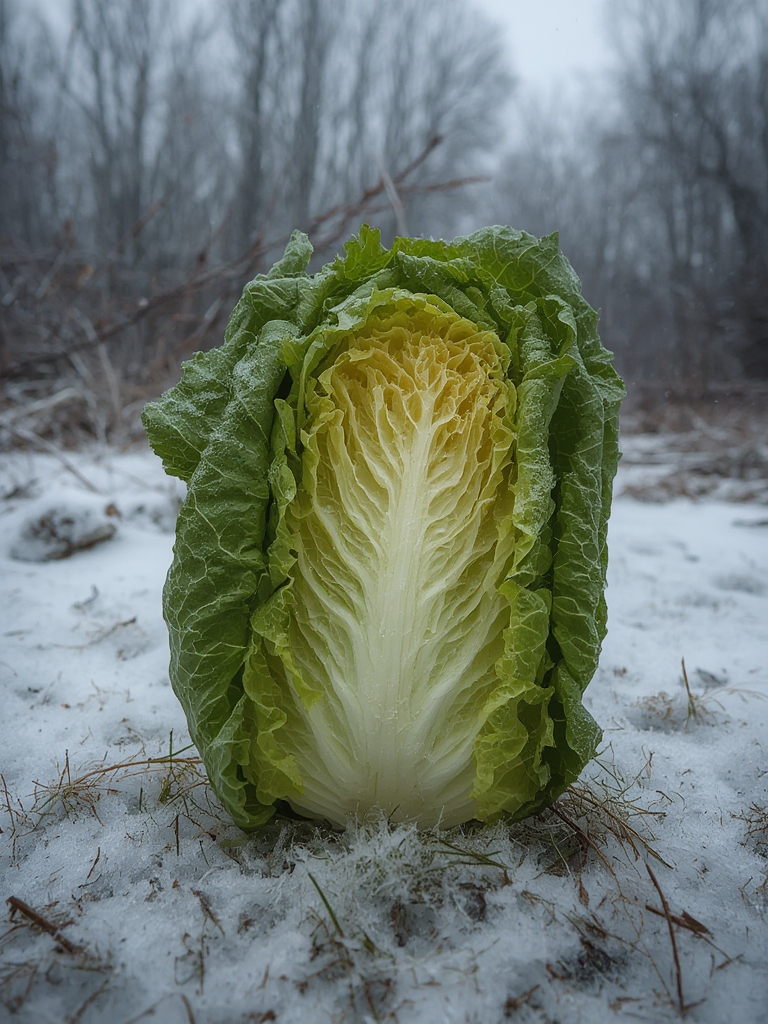
With the right approach, you can cultivate frost-tolerant lettuce varieties that thrive in cooler temperatures and even survive light frosts. These cold-hardy greens continue growing when temperatures drop, making them perfect for extending your growing season well into winter. Let’s explore how you can grow your own winter lettuce garden with minimal effort and maximum results.
Materials & Supplies
To successfully grow winter lettuce, you’ll need:
- Winter lettuce seed varieties (Romaine, Oak Leaf, Butterhead, or Winter Density)
- Seed starting trays with drainage holes
- High-quality potting soil or seed starting mix
- Organic compost for soil enrichment
- Garden beds, raised beds, or containers (8-12 inches deep)
- Row covers or cold frames for frost protection
- Watering can with gentle spray attachment
- Organic fertilizer (balanced NPK ratio)
- Garden hand tools (trowel, cultivator)
- Plant markers or labels
- Mulch material (straw, leaf mold, or compost)
- Optional: Grow lights for indoor starting
- Optional: Soil thermometer to monitor ground temperature
Timing / Growing Schedule
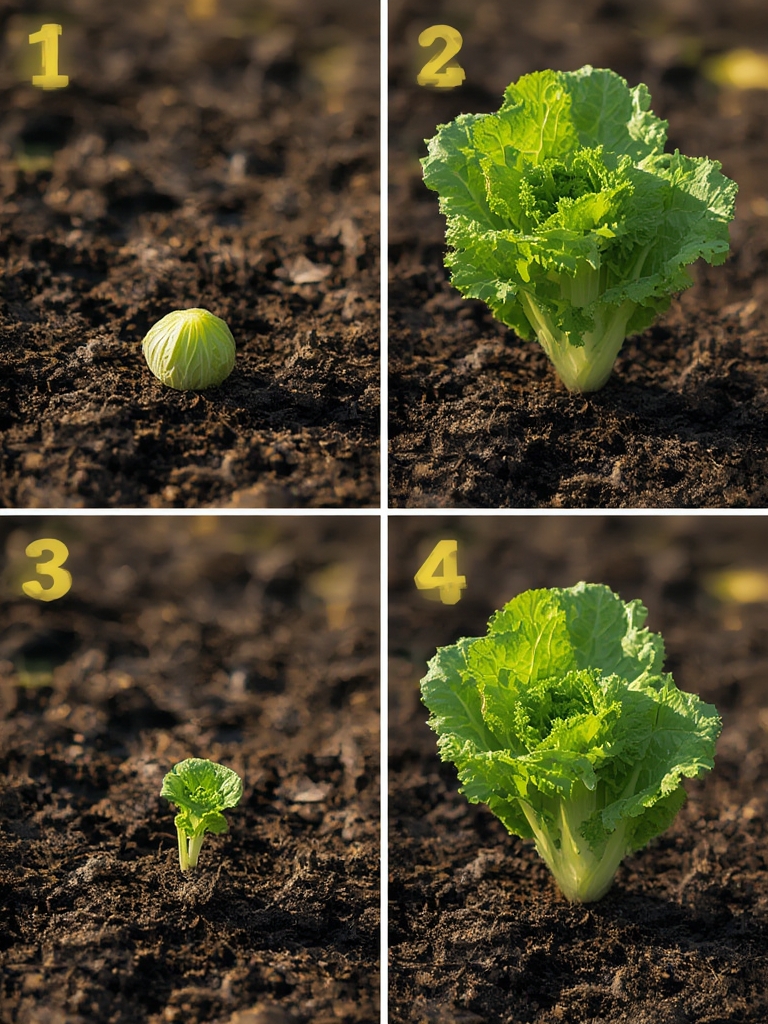
For winter harvest, start seeds 8-10 weeks before your first expected frost date, typically in late summer to early fall (August to September in most regions). Germination takes 5-10 days, with seedlings ready for transplanting in about 3 weeks. From transplant to harvest usually requires 40-60 days, depending on the variety.
Winter lettuce grows slower than spring varieties but maintains steady growth when temperatures stay above 20°F (-6°C). With proper protection, harvest can continue throughout winter, often providing fresh greens for 3-4 months longer than traditional growing seasons.
Step-by-Step Instructions
Select appropriate varieties: Choose Winter Lettuce varieties specifically bred for cold tolerance such as Winter Density, Arctic King, or Merlot.
Prepare your growing area: Work in 2-3 inches of compost into your soil to improve drainage and nutrient content. For containers, use high-quality potting mix with added compost.
Start seeds indoors: Sow seeds ¼ inch deep in seed trays. Keep soil consistently moist until germination. Place under grow lights or in a bright window.
Harden off seedlings: One week before transplanting, gradually expose seedlings to outdoor conditions, increasing exposure time daily.
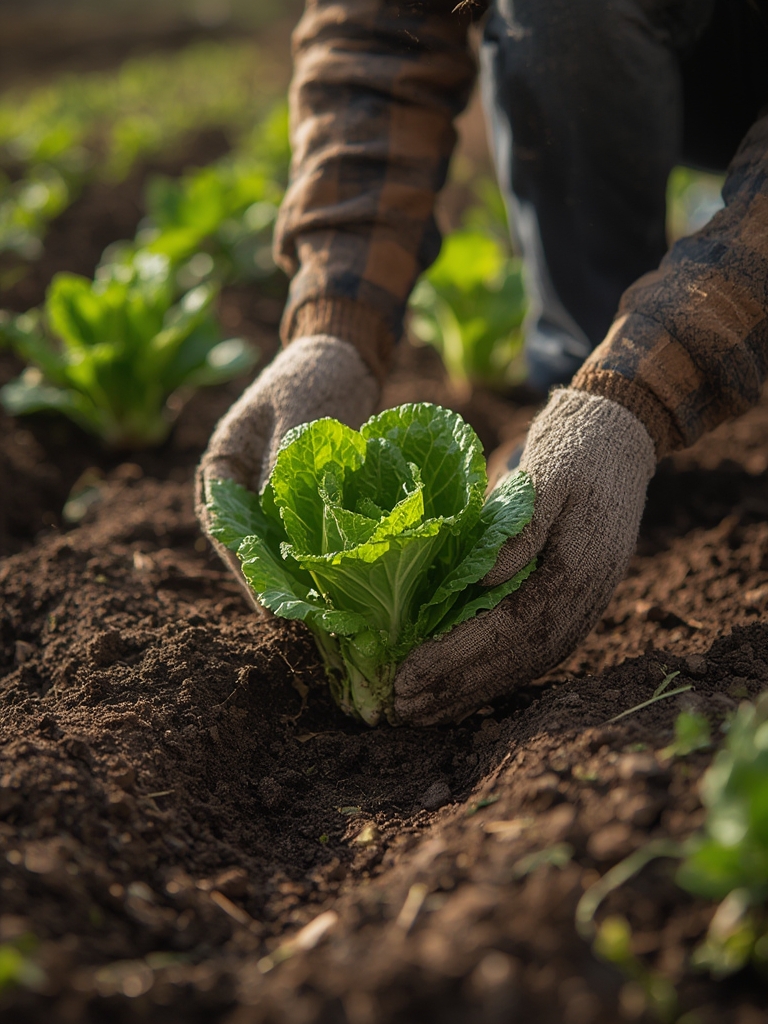
Transplant carefully: Space plants 6-8 inches apart in rows 12 inches apart. Water thoroughly after transplanting.
Protect from extreme cold: Install row covers or cold frames when temperatures approach freezing. These can provide 5-10°F of protection for your frost-tolerant lettuce.
Water appropriately: Keep soil consistently moist but not waterlogged. Water in the morning so leaves can dry before evening.
Apply mulch: Add a 2-inch layer of mulch around plants to insulate soil and regulate temperature.
Benefits / Advantages
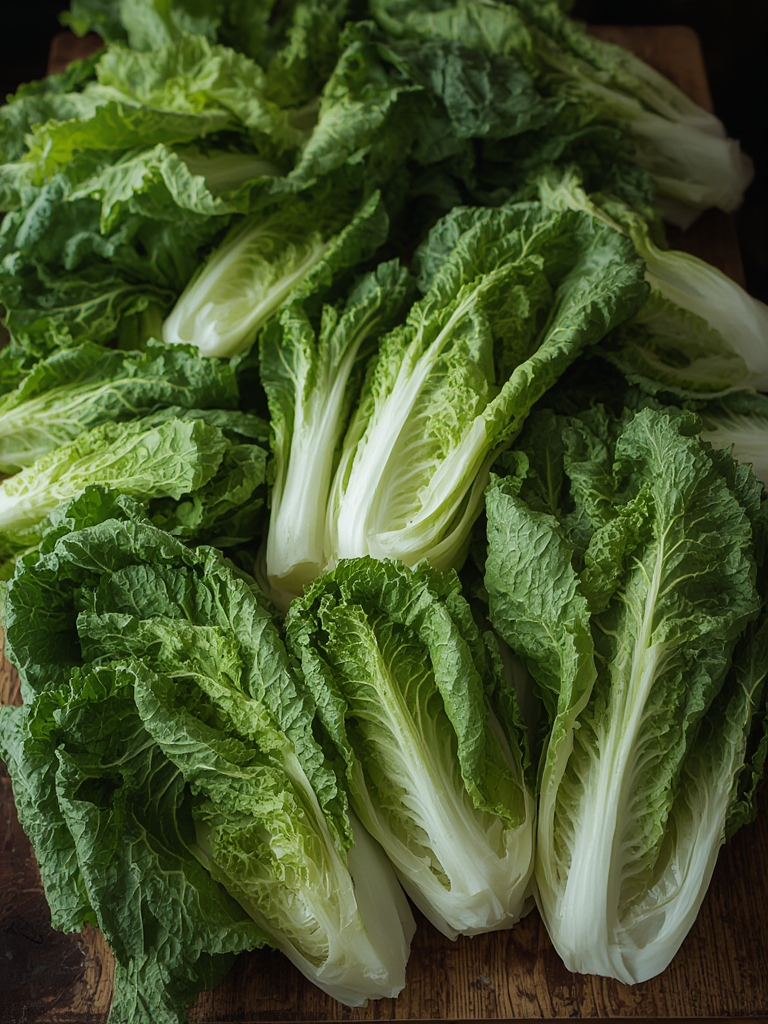
- Fresh, nutrient-rich greens during winter months when produce prices are highest
- Reduced grocery bills and fewer trips to the store during inclement weather
- Higher vitamin content in fresh-picked lettuce compared to store-bought
- No pesticides or chemicals when grown organically at home
- Extended growing season maximizes garden space utilization
- Winter lettuce often has sweeter flavor due to the plant’s natural response to cold
- Therapeutic winter gardening activity combats seasonal depression
Tips, Alternative Methods, or Gardening Advice
For smaller spaces, grow lettuce in window boxes or containers near a south-facing window. Use succession planting by sowing new seeds every 2-3 weeks for continuous harvest. For extra protection, try double-layering row covers during extreme cold snaps or create mini hoop houses with plastic sheeting over wire frames.
In severe climates, consider growing lettuce indoors under grow lights. Choose compact varieties like Tom Thumb or Little Gem that thrive in containers. Alternatively, try the cut-and-come-again method, harvesting outer leaves while allowing the center to continue growing.
Common Mistakes to Avoid
- Overwatering in winter (soil dries more slowly in cool weather)
- Forgetting to ventilate cold frames on sunny days (can overheat plants)
- Planting too late in the season (insufficient growth before hard freezes)
- Using summer lettuce varieties instead of cold-hardy types
- Removing protection too early in spring (late frosts can damage plants)
- Neglecting to harvest regularly (encourages bolting when temperatures rise)
Maintenance Tips
Harvest outer leaves first, allowing the center to continue producing. Water only when the top inch of soil feels dry. Remove any yellowing or damaged leaves promptly to prevent disease spread. On warmer winter days, ensure adequate ventilation of cold frames or row covers.
Apply a diluted organic fertilizer monthly to support continued growth. Watch for slugs and snails, which remain active during mild winter periods. Remove any weeds promptly as they compete for limited winter nutrients.
Conclusion
Growing Winter Lettuce is an accessible and rewarding gardening project that can significantly enhance your winter meals with fresh, homegrown produce. With proper planning, suitable varieties, and appropriate protection methods, you can enjoy crisp, nutritious greens throughout the coldest months. The satisfaction of harvesting your own frost-tolerant lettuce while snow covers the ground is truly unmatched. Start your winter lettuce garden this season, and share your growing journey with our community in the comments below!
FAQs
Can winter lettuce survive snow?
Yes, many cold-hardy varieties can survive under snow, which acts as insulation. However, additional protection like row covers or cold frames is recommended for consistent harvests.
How cold can winter lettuce tolerate without protection?
Most winter lettuce varieties can handle temperatures down to about 28°F (-2°C) without damage. With protection, they can survive much colder temperatures.
Why does my winter lettuce taste bitter?
Bitterness usually occurs when plants experience stress from sudden temperature fluctuations or when they begin to bolt in early spring. Harvest before temperatures warm significantly.
Can I grow winter lettuce in containers?
Absolutely! Use containers at least 8 inches deep with good drainage. Place in protected areas like against a south-facing wall for added warmth.
How often should winter lettuce be watered?
Water less frequently than in summer, typically once every 7-10 days, depending on weather conditions. The soil should remain slightly moist but not waterlogged.