
7 Fresh Mint Uses Explained
Have you been searching for an aromatic herb that adds a burst of refreshing flavor to dishes and beverages while being relatively easy to grow? Mint is one of the most versatile herbs that can transform your culinary creations and provide numerous health benefits. The cool, crisp flavor profile of peppermint varieties in particular makes it a favorite among gardeners and cooks alike.
Table of Contents
Growing mint at home allows you to have a continuous supply of fresh leaves for cooking, tea preparation, and even natural home remedies. Whether you’re a seasoned gardener or a complete novice, this comprehensive guide will help you cultivate thriving mint plants right in your own space.
Materials & Supplies
To successfully grow mint at home, you’ll need:
- Mint seeds or starter plants (preferred for faster results)
- Well-draining potting soil or garden soil mixed with compost
- Container with drainage holes (recommended to prevent spreading)
- Watering can or irrigation system
- Garden gloves
- Garden trowel or small shovel
- Liquid fertilizer (organic options work well)
- Pruning shears for harvesting
- Mulch (optional, but helps retain moisture)
- Plant markers (useful if growing multiple mint varieties)
Timing / Growing Schedule
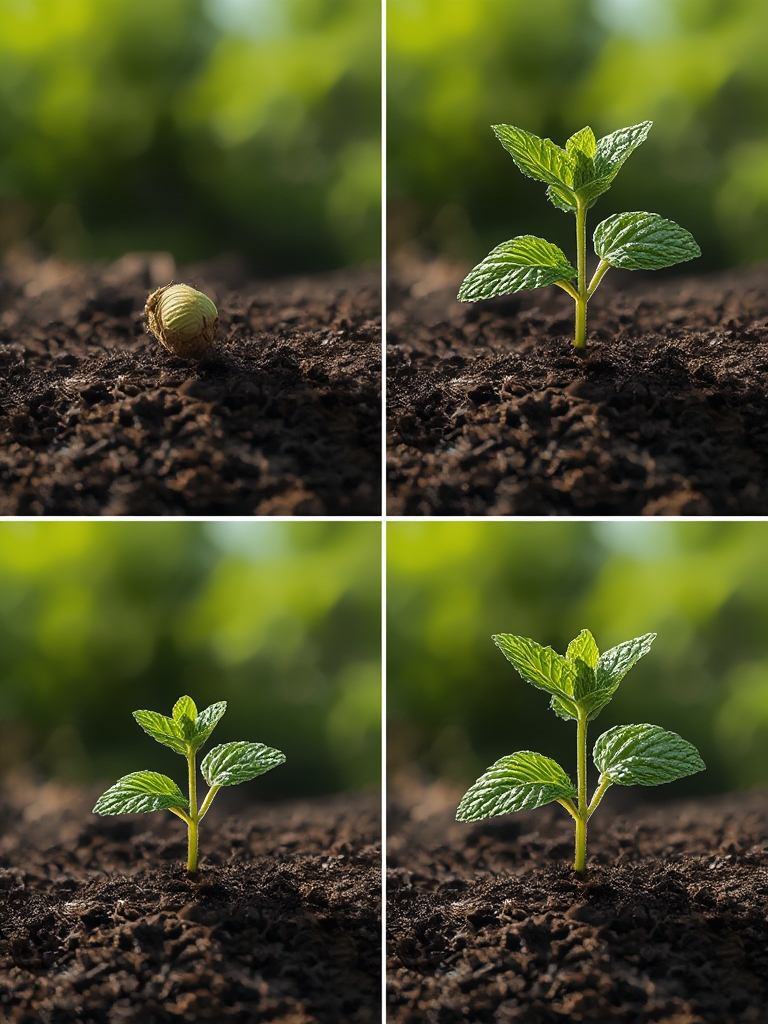
Mint grows best when planted in spring after the last frost has passed. Expect the following timeline:
- Preparation: 1-2 hours for soil preparation and planting
- Germination (if using seeds): 10-15 days
- Establishment period: 3-4 weeks after planting
- First harvest: Approximately 8-10 weeks after planting
- Peak growing season: Late spring through early fall
- Perennial growth: Mint returns year after year in zones 3-11, going dormant in winter
Step-by-Step Instructions
Select the right location: Choose a spot with partial shade, especially in warmer climates. Mint prefers cool, moist conditions but can tolerate some sun.
Prepare your container or garden bed: If planting in the ground, consider using barriers to prevent spreading. For containers, ensure proper drainage holes.
Prepare the soil: Mix garden soil with compost for a nutrient-rich growing medium. Aim for slightly acidic to neutral pH (6.0-7.0).
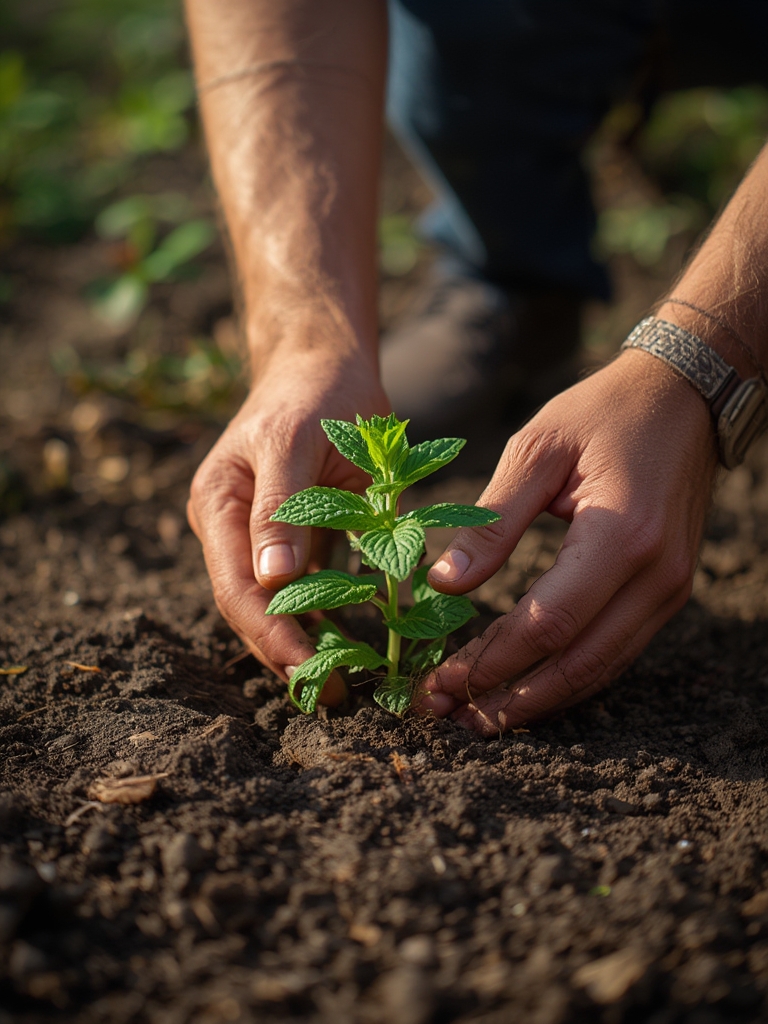
Plant mint correctly: If using starter plants, dig holes twice the width of the root ball. For seeds, sprinkle lightly and cover with ¼ inch of soil.
Water thoroughly: Keep the soil consistently moist but not waterlogged. peppermint particularly benefits from regular watering to maintain its essential oil content.
Mulch around plants: Add a layer of organic mulch to retain moisture and suppress weeds.
Fertilize sparingly: Apply a balanced organic fertilizer once a month during the growing season.
Benefits / Advantages
- Digestive aid that soothes upset stomachs and reduces indigestion
- Natural breath freshener and oral health supporter
- Versatile culinary ingredient for drinks, desserts, and savory dishes
- Aromatic properties that can repel pests like mosquitoes and ants
- Rich source of antioxidants and vitamin A
- Stress-reducing aromatherapy benefits
- Low maintenance compared to many other herbs
Tips, Alternative Methods, or Gardening Advice
- Grow mint indoors on a sunny windowsill for year-round access
- Try vertical gardening methods to save space and control spread
- Companion plant with tomatoes and cabbage to deter pests
- Harvest regularly to encourage bushier growth and prevent flowering
- Consider growing in hanging baskets for an attractive display
- Try hydroponics for faster growth and higher yields
Common Mistakes to Avoid
- Planting mint directly in garden beds without barriers (it will take over)
- Overwatering, which can lead to root rot and fungal diseases
- Allowing plants to flower too early, which reduces leaf production
- Forgetting to divide plants every 2-3 years, resulting in less vigorous growth
- Using chemical pesticides that can affect the flavor and medicinal properties
- Placing containers in full, hot sun, which can stress plants
Maintenance Tips
- Harvest mint in the morning when essential oil content is highest
- Pinch back growing tips to encourage bushier growth
- Divide plants every 2-3 years to rejuvenate growth
- Cut back plants by one-third after flowering to promote new growth
- Consider bringing container plants indoors during winter in colder regions
- Dry excess leaves by hanging bundles upside down in a dark, well-ventilated area
Conclusion
Growing your own mint provides a rewarding experience that engages multiple senses while offering practical benefits for cooking and wellbeing. Mint‘s versatility makes it an excellent choice for both beginning and experienced gardeners. The refreshing flavor of peppermint and other varieties will elevate your culinary creations while providing aromatherapy benefits throughout your home. Why not start your mint growing journey today? Share your mint growing experiences in the comments, or explore our other herb gardening guides for more inspiration!
FAQs
How do I stop mint from taking over my garden?
Plant mint in containers or use barriers like bottomless buckets sunk into the soil to contain the roots. Regular harvesting and root pruning also help control spread.
Can mint grow in shade?
Yes, mint actually prefers partial shade, especially in hot climates. Full shade may result in leggy growth, while full sun can stress the plants.
How often should I water mint plants?
Keep the soil consistently moist but not waterlogged. In containers, this typically means watering when the top inch of soil feels dry to the touch.
What’s the difference between spearmint and peppermint?
Spearmint has a sweeter, milder flavor ideal for cooking, while peppermint contains more menthol, creating a stronger, cooling sensation better suited for teas and medicinal uses.
Can I grow mint from cuttings?
Absolutely! Mint propagates readily from stem cuttings. Place 4-6 inch cuttings in water until roots develop, then transfer to soil.