
7 Florida Ghost Plant
Have you ever wondered about the otherworldly charm of the Florida Ghost Plant? This unique succulent, with its ethereal pale leaves that seem to glow in the moonlight, has become increasingly popular among indoor gardening enthusiasts. The plant’s striking appearance creates a stunning focal point in any home garden setup, much like the rare ghost pipe found in forest floors, though the two are completely unrelated botanically.
Table of Contents
Growing this distinctive succulent at home rewards you with a low-maintenance plant that transforms over time, shifting in color and form as it matures. The ghostly white leaves gradually develop green undertones, creating a fascinating display of nature’s artistry right in your living space. Let’s explore how you can successfully cultivate this remarkable plant in your home garden.
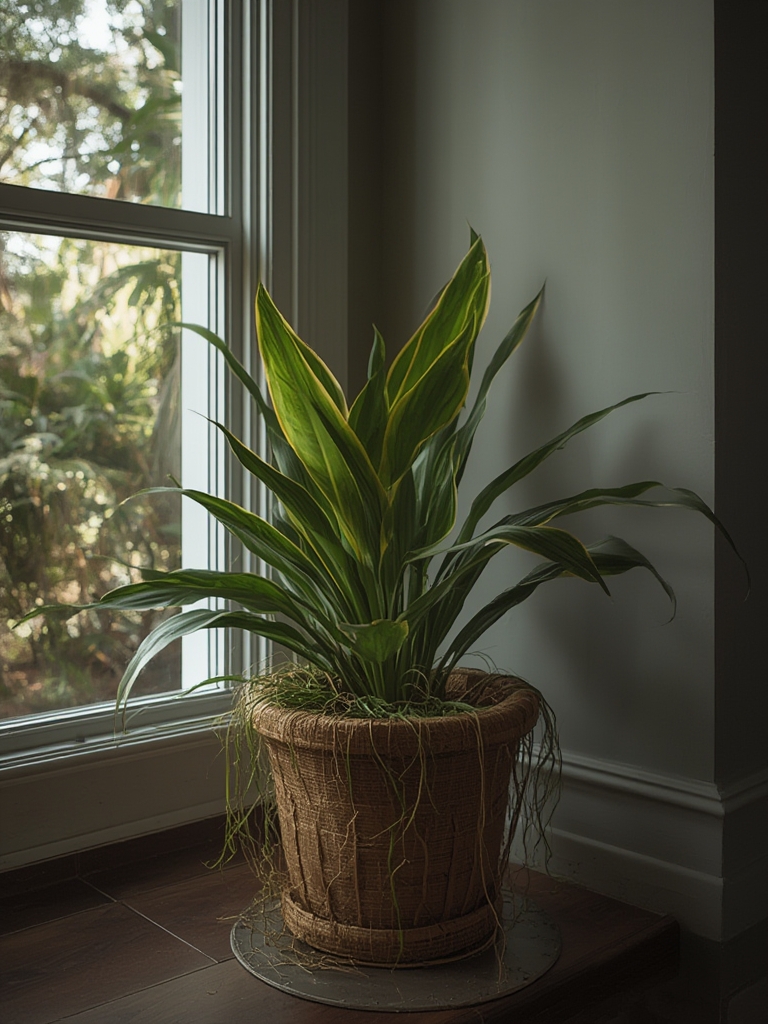
Materials & Supplies
To successfully grow your Florida Ghost Plant, gather these essential items:
- Well-draining succulent soil or cactus mix
- Perlite or pumice (for improved drainage)
- Terracotta or ceramic pot with drainage holes (6-8 inches)
- Small pebbles or gravel for drainage layer
- Watering can with narrow spout
- Liquid succulent fertilizer (diluted to half-strength)
- Spray bottle for misting (optional)
- Gardening gloves and small trowel
- Sharp, clean scissors or pruning shears
- Small paintbrush (for pollinating if you want to propagate)
Timing / Growing Schedule
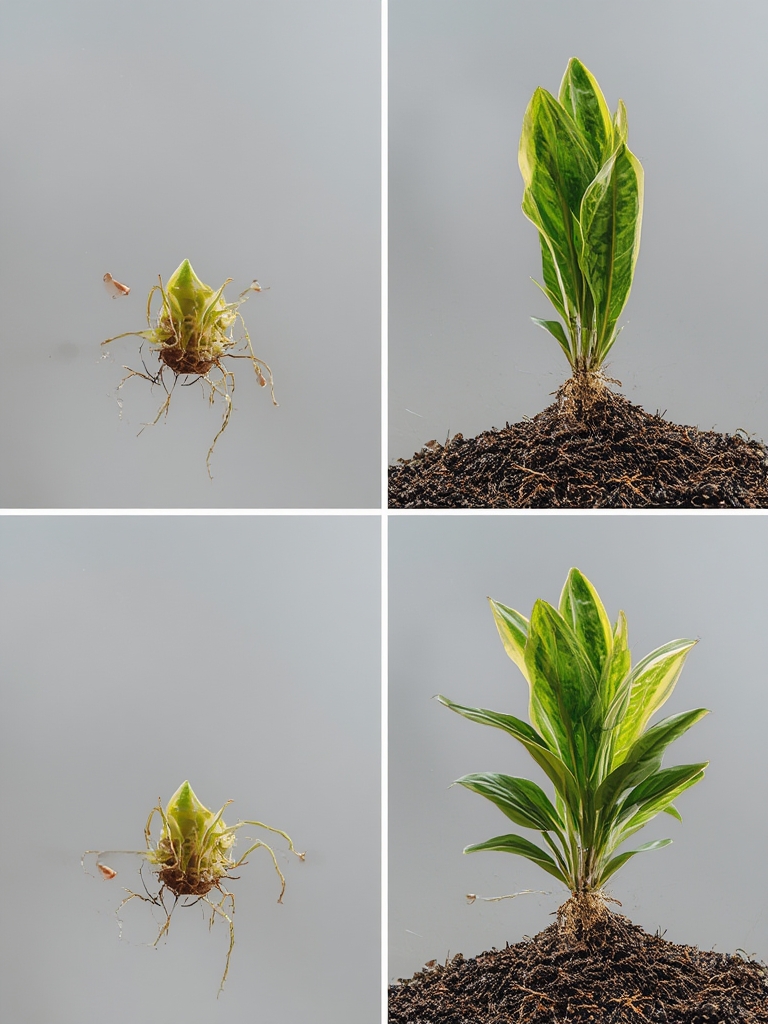
The Florida Ghost Plant follows a relatively slow but rewarding growth cycle:
- Planting time: Best planted in spring or early summer
- Establishment period: 2-3 weeks for rooting
- Active growth: Spring through fall (moderate growth rate)
- Dormancy: Winter months (minimal growth)
- Maturity for propagation: 1-2 years
- Color transformation: Begins showing after 3-6 months, depending on light exposure
- Flowering: Rare indoors, but possible after 2-3 years in ideal conditions
Step-by-Step Instructions
- Prepare your pot: Add a 1-inch layer of pebbles at the bottom of your pot for drainage.
- Mix your soil: Combine succulent soil with 30% perlite to ensure excellent drainage.
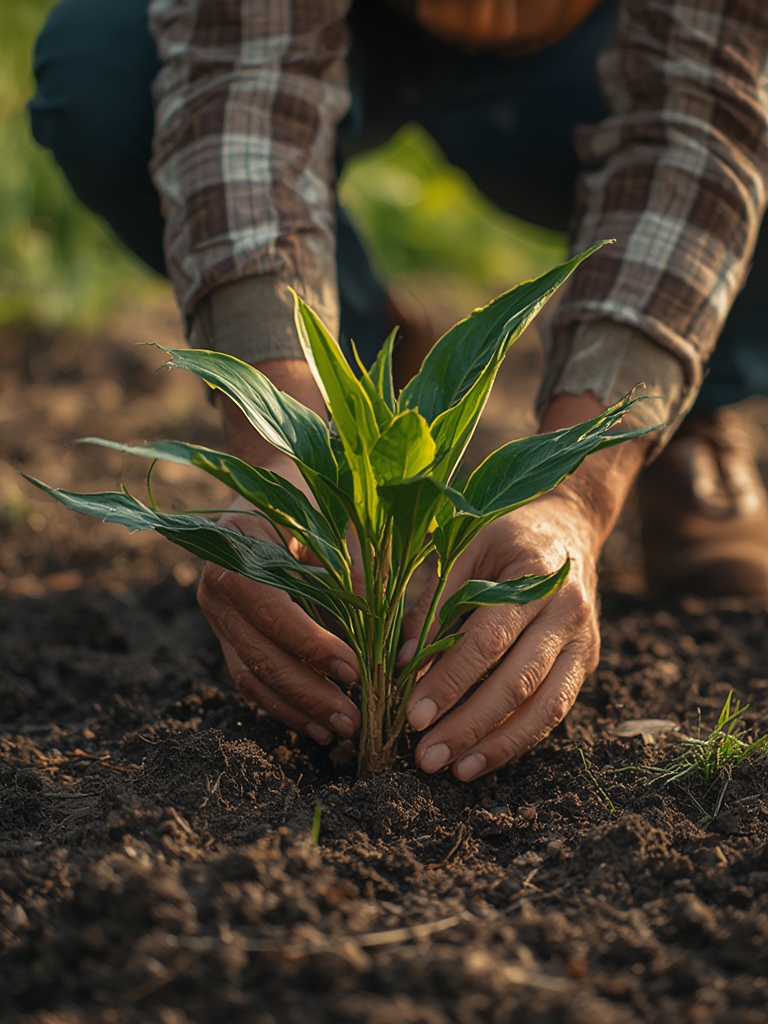
- Plant properly: Fill the pot halfway with soil mix, place your Florida Ghost Plant, and gently add more soil around it, leaving the base of the rosette above the soil.
- Initial watering: Water thoroughly but gently, allowing excess water to drain completely.
- Placement: Position in bright, indirect light – morning sun with afternoon shade is ideal.
- Watering schedule: Allow the soil to dry completely between waterings (typically every 10-14 days).
- Fertilizing: Feed with diluted succulent fertilizer once during spring and once in summer.
- Propagation: After maturation, gently remove offsets or carefully cut a leaf for propagation, similar to how you might carefully collect ghost pipe specimens in the wild.
Benefits / Advantages
- Air purification: Like many succulents, it helps improve indoor air quality
- Stress reduction: The calming appearance promotes relaxation
- Low water consumption: Perfect for water-conscious gardeners
- Educational value: Great teaching tool for children about plant adaptations
- Aesthetic appeal: Unique coloration adds a designer touch to any space
- Longevity: Can live for many years with proper care
- Propagation potential: Easily creates new plants to share with friends
Tips, Alternative Methods, or Gardening Advice
- Light exposure manipulation: Control the whiteness by adjusting light exposure – more light creates more ghostly white leaves
- Container options: Consider hanging planters to showcase trailing growth
- Terrarium planting: Works well in open terrariums with other succulents
- Outdoor growing: Can thrive outdoors in zones 9-11 in bright shade
- Seasonal care adjustments: Reduce watering by half during winter months
- Temperature considerations: Protect from temperatures below 50°F (10°C)
Common Mistakes to Avoid
- Overwatering: The number one killer of ghost plants – wait until soil is completely dry
- Insufficient light: Too little light causes leggy growth and loss of the ghostly coloration
- Dense soil: Regular potting soil retains too much moisture – always use well-draining succulent mix
- Incorrect pot size: Overly large pots hold excess moisture; choose appropriately sized containers
- Frequent repotting: These plants prefer to be slightly root-bound; repot only every 2-3 years
Maintenance Tips
- Pruning: Remove any dead or dried leaves from the bottom of the plant
- Pest control: Watch for mealybugs and treat immediately with isopropyl alcohol on a cotton swab
- Rotation: Turn the pot quarterly for even growth and coloration
- Cleaning: Gently dust leaves with a soft brush to maintain their ghostly appearance
- Winter care: Move away from cold windows during winter months
Conclusion
The Florida Ghost Plant offers a fascinating addition to your indoor garden with its otherworldly appearance and minimal care requirements. By following these guidelines, you’ll enjoy watching this unique succulent develop its characteristic pale, ghostly leaves that stand out among conventional houseplants. Remember that patience is key, as the most magical transformations happen gradually, similar to how the elusive ghost pipe emerges mysteriously from forest floors. Why not start your ghost plant journey today and experience the quiet joy of nurturing this remarkable botanical treasure?
FAQs
Why is my Florida Ghost Plant turning green instead of white?
Too little light is likely the cause. Move your plant to a brighter location with indirect sunlight to encourage the development of the ghostly white coloration.
How often should I water my Florida Ghost Plant?
Water only when the soil is completely dry, typically every 10-14 days in summer and less frequently in winter. These plants store water in their leaves and are susceptible to rot if overwatered.
Can Florida Ghost Plants survive outdoors?
Yes, but only in zones 9-11 where temperatures don’t drop below 30°F (-1°C). They need protection from intense afternoon sun and excessive rain.
Why are my ghost plant’s leaves falling off?
Leaf drop can indicate overwatering, underwatering, or temperature stress. Check soil moisture first, then evaluate light conditions and temperature extremes.
How do I propagate my Florida Ghost Plant?
Propagate easily by gently removing offsets (baby plants) from the base, or by leaf cuttings. Allow cuttings to callus for 2-3 days before placing on well-draining soil.