
7 Dragon Scale Alocasia Secrets
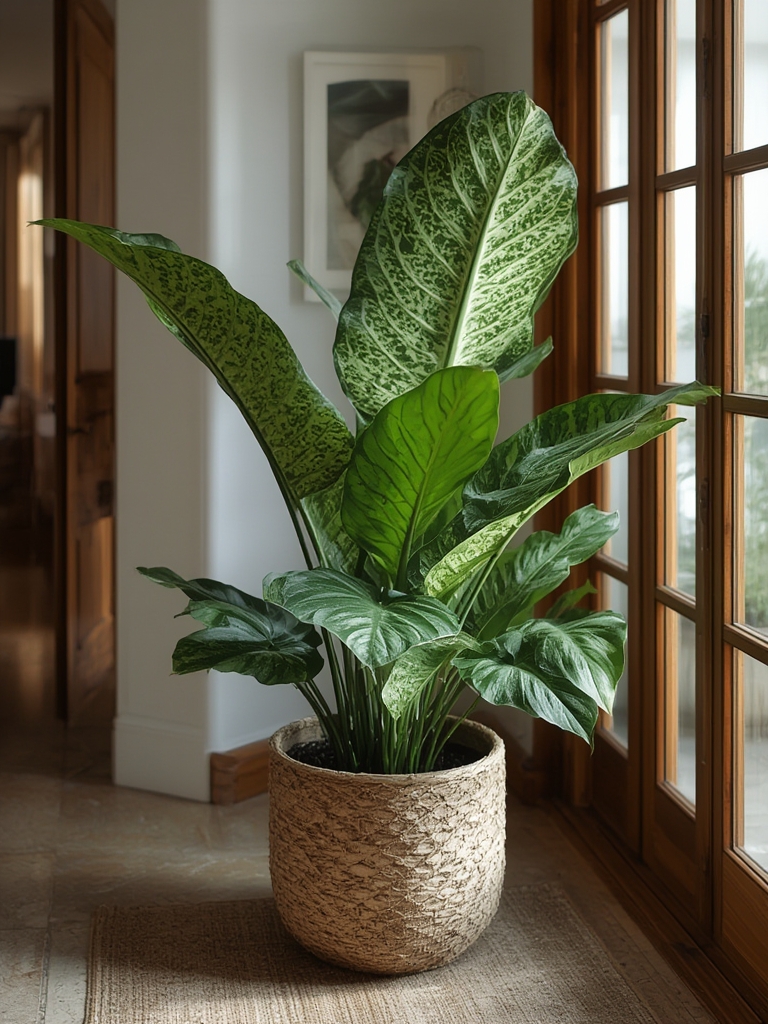
Have you ever wondered how to add an exotic touch to your indoor garden? The Dragon Scale Alocasia might be exactly what you’re looking for. With its stunning textured leaves that resemble dragon scales, this tropical beauty has become increasingly popular among plant enthusiasts and interior designers alike.
Unlike common houseplants, the Elephant Ear Plant family, to which Dragon Scale belongs, offers a dramatic visual impact that can transform any space. Their distinctive appearance and relatively manageable care requirements make them perfect for both beginner and experienced plant parents looking to elevate their indoor jungle.
Materials & Supplies
To successfully grow a Dragon Scale Alocasia, you’ll need:
- Well-draining potting mix – A mix of regular potting soil, perlite, and orchid bark works well
- Pot with drainage holes – Preferably terracotta or ceramic, 1-2 inches larger than the root ball
- Humidifier or pebble tray – To maintain appropriate humidity levels
- Moisture meter – To prevent overwatering
- Balanced liquid fertilizer – Diluted to half strength for feeding during growing season
- Pruning shears – Clean and sharp for removing damaged leaves
- Neem oil – For pest prevention and treatment
- Grow light (optional) – If natural light conditions are inadequate
Timing / Growing Schedule
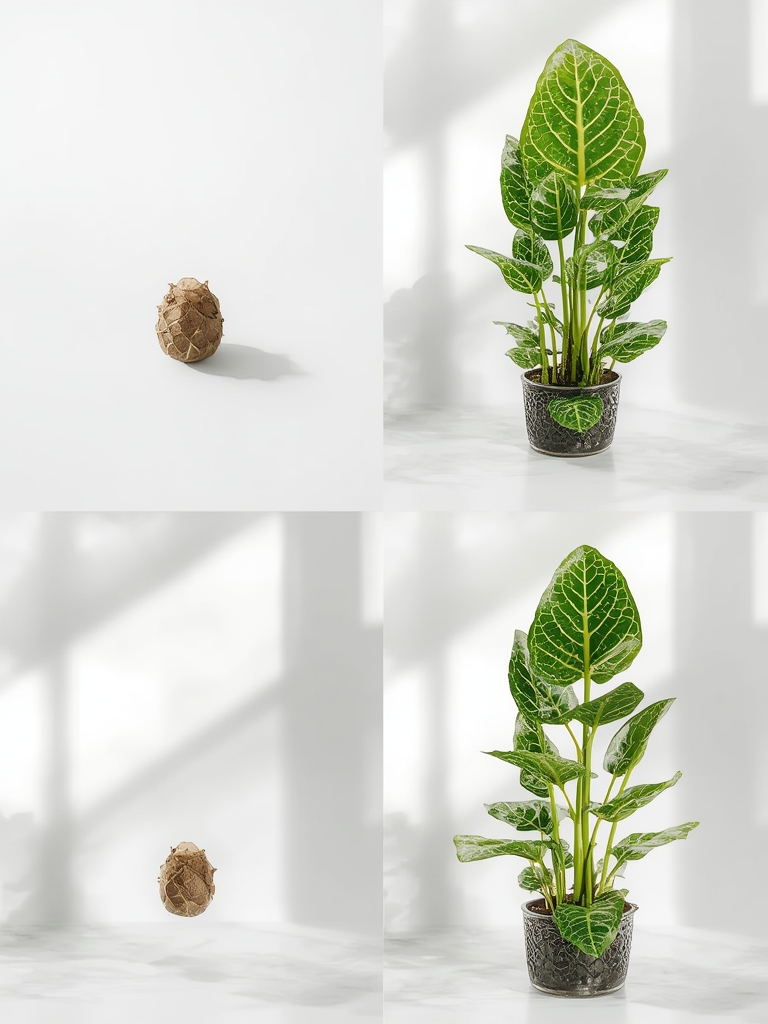
Dragon Scale Alocasias have distinct growth periods that gardeners should understand. Their active growing season runs from spring through summer, when you’ll see new leaf development approximately every 4-6 weeks under optimal conditions. Growth significantly slows during fall and winter, when the plant may enter a dormant phase.
Unlike fast-growing houseplants, Dragon Scales develop at a moderate pace, typically adding 3-5 new leaves annually. From a small juvenile plant, expect 2-3 years before reaching a mature specimen with 6-8 impressive leaves.
Step-by-Step Instructions
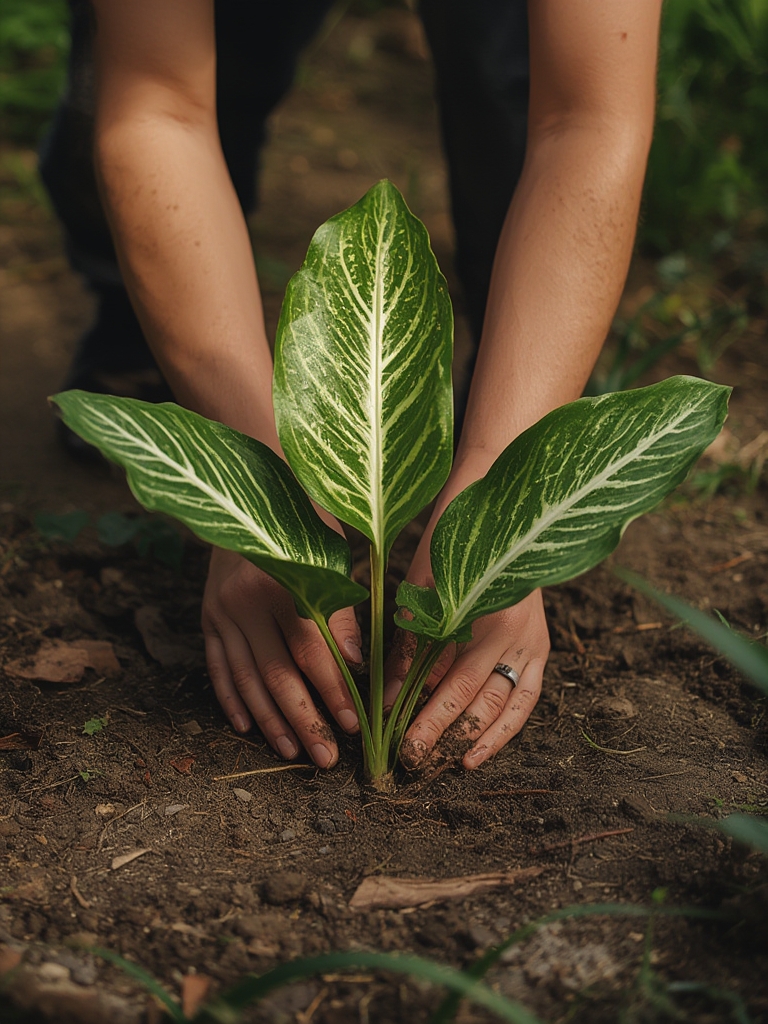
Acclimation – Allow your new Dragon Scale Alocasia to adjust to your home for 1-2 weeks in a bright spot away from direct sunlight.
Potting – Plant in a well-draining mix in a pot just slightly larger than the root system. Avoid oversized containers which can lead to root rot.
Placement – Position in bright, indirect light. Morning sun is beneficial, but avoid harsh afternoon rays which can scorch leaves.
Watering routine – Allow the top 1-2 inches of soil to dry out between waterings. Reduce frequency significantly during winter dormancy.
Humidity management – Maintain 60-70% humidity using a humidifier, pebble tray, or grouping with other plants. Mist leaves occasionally but ensure good air circulation to prevent fungal issues.
Fertilization – Feed monthly during growing season with half-strength balanced fertilizer. Stop feeding during winter dormancy.
Cleaning – Gently wipe leaves with a damp cloth monthly to remove dust and keep leaf pores clear for optimal photosynthesis.
Benefits / Advantages
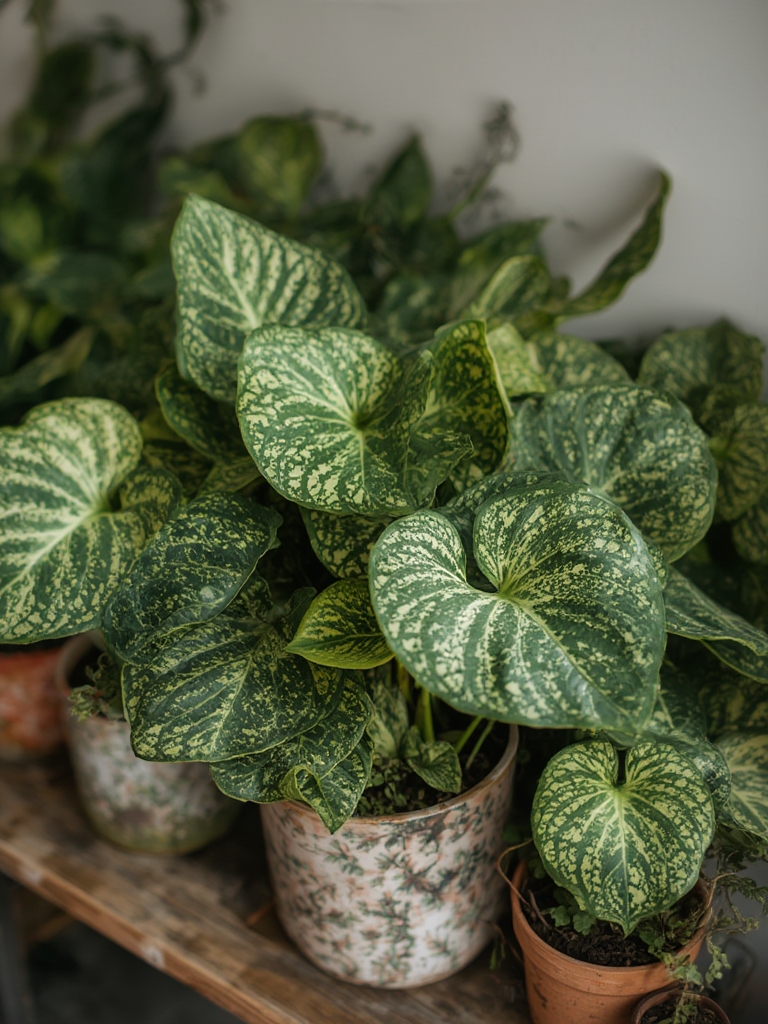
Growing Dragon Scale Alocasia offers numerous benefits:
- Air purification – Like many Elephant Ear Plant varieties, they help filter indoor air pollutants
- Aesthetic value – Their unique textured leaves add visual interest and become conversation pieces
- Space efficiency – Provides dramatic visual impact without requiring extensive floor space
- Mental wellbeing – Studies show that caring for ornamental houseplants reduces stress and anxiety
- Biodiversity appreciation – Growing rare tropical plants increases awareness of plant conservation needs
Tips, Alternative Methods, or Gardening Advice
For optimal Dragon Scale growth, consider these specialized approaches:
- Terrarium cultivation – Smaller specimens thrive in closed or semi-closed terrariums where humidity is naturally higher
- Bathroom placement – The natural humidity from showers benefits these moisture-loving plants
- Grow lights – Use artificial lighting on a 12-hour cycle for locations with insufficient natural light
- Bottom watering – This method reduces the risk of water sitting on leaves or in the crown
- Leca growing – For those prone to overwatering, semi-hydroponic methods using clay pebbles can prevent root rot
Common Mistakes to Avoid
- Overwatering – The number one killer of Dragon Scales; wait until top soil is dry before watering again
- Insufficient humidity – Crispy leaf edges indicate humidity is too low; address immediately
- Excessive repotting – These plants prefer being slightly rootbound and don’t need annual repotting
- Direct sunlight exposure – Can cause irreversible leaf burn; filtered light is essential
- Cold drafts – Avoid placing near doors, windows or air conditioning vents as cold air damages leaves
- Using tap water – Chlorine and fluoride can cause brown leaf tips; use filtered or distilled water instead
Maintenance Tips
Regular maintenance ensures your Dragon Scale thrives:
- Rotate plant weekly to ensure even growth on all sides
- Inspect leaves bi-weekly for pests like spider mites, which are attracted to the textured foliage
- Remove damaged leaves at the stem base using clean shears
- Dust leaves monthly with a soft, damp cloth to maintain their distinctive appearance
- Monitor humidity levels using a hygrometer, especially during winter when indoor heating reduces moisture
- Repot every 2-3 years in spring when the plant becomes rootbound
Conclusion
With its remarkable textured foliage and manageable care requirements, the Dragon Scale Alocasia offers a rewarding experience for plant enthusiasts seeking something extraordinary. Though it requires some specific care considerations, the visual impact of these Elephant Ear Plant relatives makes every effort worthwhile.
Why not challenge yourself to add this stunning tropical specimen to your collection? Share your Dragon Scale growing journey in the comments below, or check out our guides on other exotic houseplants to complement your indoor jungle!
FAQs
Why are my Dragon Scale Alocasia’s leaves turning yellow?
Yellowing leaves typically indicate overwatering. Allow the soil to dry out more between waterings and ensure your pot has adequate drainage. Old leaves may naturally yellow and die off as new growth emerges.
How often should I repot my Dragon Scale?
Dragon Scales prefer being slightly rootbound and typically need repotting only every 2-3 years. Repot in spring when you notice roots growing through drainage holes or the plant becoming top-heavy.
Can I propagate my Dragon Scale Alocasia?
Yes, propagation is typically done by division when repotting. Carefully separate offshoots (pups) that have at least one leaf and some roots, then pot them individually in appropriate soil mix.
Why isn’t my Dragon Scale producing new leaves?
Dormancy during fall/winter is normal. If growth stalls during spring/summer, check light levels (too low), humidity (too dry), or nutrient deficiencies. Fertilize monthly during growing season to encourage new growth.
How do I prevent pest infestations on my Dragon Scale?
Preventive measures include regular leaf cleaning, proper spacing between plants, and monthly neem oil applications. Inspect new plants thoroughly before bringing them home to prevent introducing pests to your collection.