
7 Black Spot Roses Prevention Tips
Introduction:
Have you noticed mysterious dark spots appearing on your beloved rose bushes? Don’t worry, you’re not alone. Black Spot Roses is one of the most common and frustrating fungal diseases that can plague rose gardens across the country. This troublesome condition can quickly spread throughout your garden, leaving your once-beautiful roses looking diseased and unhealthy.
Table of Contents
Fortunately, with the right knowledge and tools, including a quality Fungicide for roses, you can effectively combat this issue and restore your roses to their former glory. In this guide, we’ll walk through everything you need to know about identifying, preventing, and treating black spot disease in your rose garden.

Materials & Supplies
To effectively treat and prevent black spot disease in roses, you’ll need:
- Pruning shears (clean and sharp)
- Garden gloves
- Fungicide for roses (copper-based or sulfur-based options work well)
- Neem oil (as an organic alternative)
- Spray bottle or garden sprayer
- Mulch (organic is preferable)
- Watering can or drip irrigation system
- Rake for cleaning up fallen leaves
- Compost or rose-specific fertilizer
- pH testing kit (optional but helpful)
Timing / Growing Schedule
Black spot disease typically appears during warm, humid weather conditions, usually beginning in late spring and persisting through fall in most regions. Prevention should begin early in the growing season before symptoms appear.
- Early Spring: Begin preventative treatments as leaves emerge
- Growing Season (Summer): Monitor weekly and apply treatments every 7-14 days
- Fall: Clean up all fallen leaves and debris to reduce overwintering spores
- Winter: Prune affected canes during dormancy to reduce infection sources
Step-by-Step Instructions
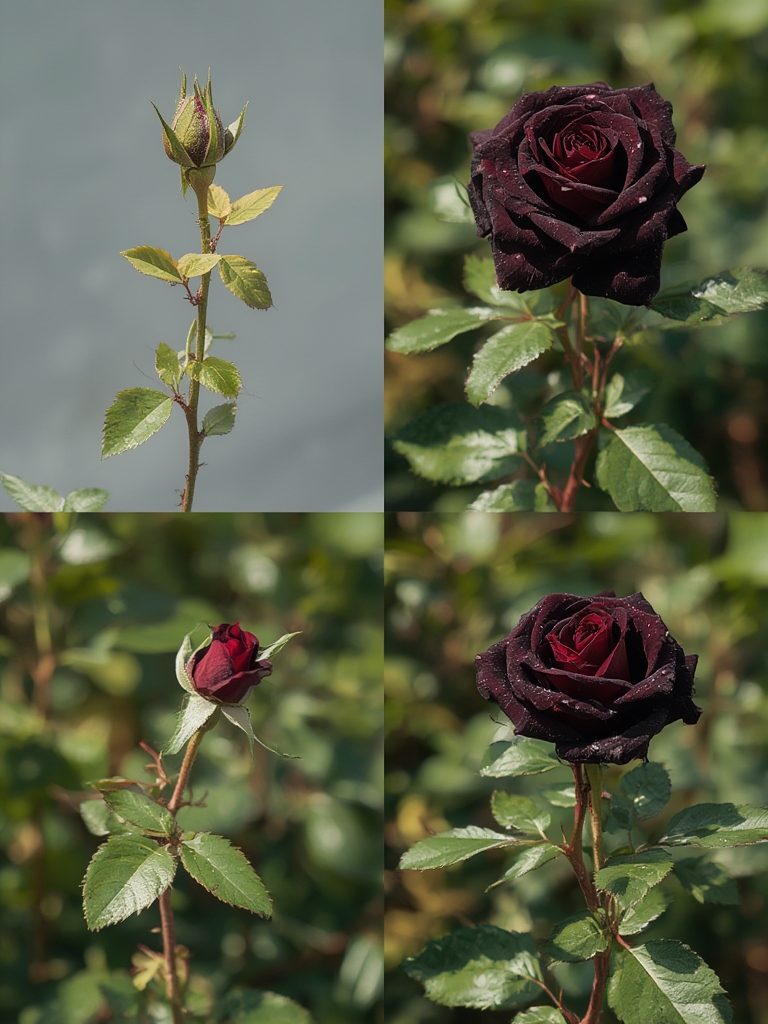
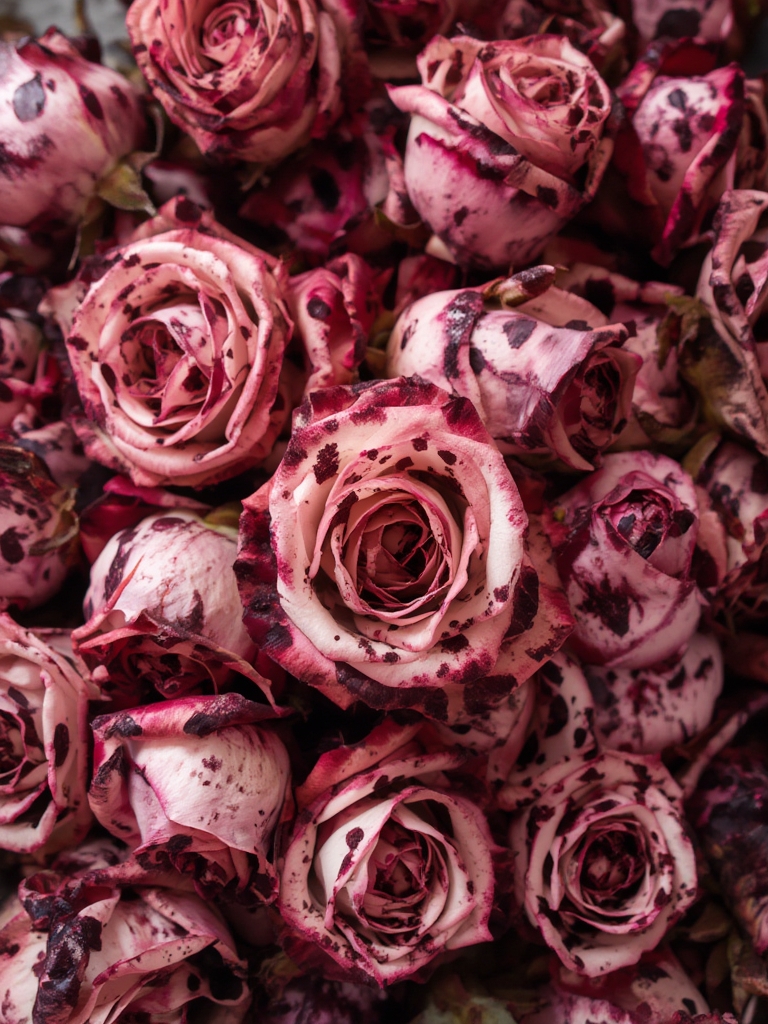
Identify the Problem: Look for dark, circular spots with feathery margins on leaves, typically starting on lower leaves and working upward. Infected leaves will eventually yellow and drop.
Remove Infected Material: Prune away severely affected canes and remove all spotted leaves, even those still on the plant. Be sure to disinfect your pruning tools between cuts.
Clean Up Thoroughly: Rake up and dispose of all fallen leaves and debris around your Black Spot Roses. Never compost this material as it can spread the disease.
Apply Fungicide: Follow package directions to apply an appropriate fungicide. For severe infections, apply weekly until symptoms subside, then every two weeks for prevention.
Adjust Watering Practices: Water at the base of plants in the morning so foliage can dry completely before evening. Avoid overhead watering which promotes fungal growth.
Benefits / Advantages
Treating black spot disease properly offers numerous benefits:
- Preserves the aesthetic beauty of your rose garden
- Extends the blooming period of your roses
- Improves overall plant health and vigor
- Prevents spread to other susceptible plants in your garden
- Reduces the need for chemical interventions when caught early
- Teaches valuable plant care skills applicable to other garden areas
Tips, Alternative Methods, or Gardening Advice
- Consider planting black spot-resistant rose varieties for new additions
- Space plants properly to improve air circulation
- Apply a layer of mulch to prevent spores from splashing up from the soil
- Try milk spray (1:10 milk to water ratio) as an organic preventative
- Plant companion species like garlic or marigolds that may help deter fungal issues
- In container gardens, elevate pots to improve drainage and air flow
Common Mistakes to Avoid
- Waiting too long to treat: Begin treatment at the first sign of infection, not after it’s widespread.
- Improper disposal: Never compost infected material; bag and dispose of it instead.
- Inconsistent treatment: Applying fungicides sporadically rather than on a regular schedule.
- Overhead watering: Wetting the foliage, especially late in the day, creates ideal conditions for fungal growth.
- Overcrowding: Planting roses too close together restricts air circulation, encouraging disease.
Maintenance Tips
- Apply a balanced, slow-release fertilizer in early spring to boost plant immunity
- Maintain a regular pruning schedule to improve air circulation
- Consider preventative fungicide applications before symptoms appear in known problem areas
- Refresh mulch regularly to prevent splash-up of spores from soil
- Monitor plants weekly during growing season for early signs of recurrence
Conclusion
With consistent care and the right approach, you can effectively manage and prevent Black Spot Roses from ruining your garden. Remember that prevention is always easier than treatment, so establish good cultural practices and keep quality Fungicide for roses on hand before problems arise. Your diligence will be rewarded with healthy, vibrant roses that remain the crowning glory of your garden for years to come. Share your success stories or ask questions in the comments below!
FAQs
Can black spot disease kill my roses?
While rarely fatal on its own, severe or repeated infections can weaken plants, making them susceptible to other problems that may eventually kill them.
Are some roses more resistant to black spot than others?
Yes! Many modern rose varieties have been bred specifically for black spot resistance. Look for varieties like ‘Knock Out’, ‘Carefree Beauty’, and ‘Rainbow Knockout’.
How often should I apply fungicide during an active infection?
For active infections, apply every 7-10 days. For prevention, every 10-14 days is usually sufficient during susceptible periods.
Can I use the same fungicide all season, or should I rotate products?
It’s best to rotate between different types of fungicides to prevent the fungus from developing resistance.
Is black spot contagious to other plants in my garden?
Black spot is specific to roses and a few closely related plants. It won’t spread to unrelated garden plants but can quickly infect other roses.