
7 Best Simple Leaf Mulch DIY Tips
Ever wondered how to transform fallen leaves into gardening gold? Nature provides an abundance of free resources each autumn, and Leaf Mulch stands out as one of the most valuable. Creating your own mulch from fallen leaves not only saves money but also recycles nutrients back into your garden ecosystem. Unlike store-bought alternatives, homemade Garden Mulch from leaves contains a perfect balance of nutrients specifically adapted to your local environment.
Table of Contents
The transformation process is surprisingly simple and rewards gardeners with rich, dark mulch that improves soil structure, retains moisture, and suppresses weeds naturally. This guide will walk you through everything you need to know about creating and using leaf mulch effectively in your garden, helping you turn what many consider yard waste into a gardening superpower.
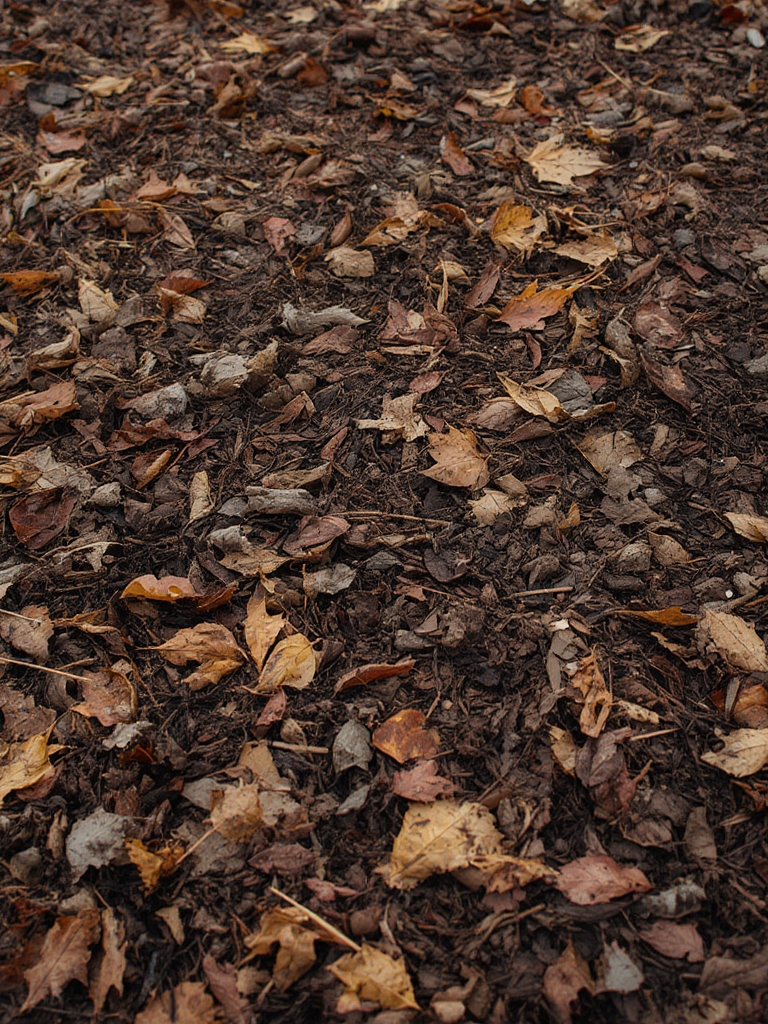
Materials & Supplies
To create effective leaf mulch, you’ll need:
- Fallen leaves (oak, maple, and beech work exceptionally well)
- Leaf rake or garden vacuum for collection
- Leaf shredder or lawn mower with collection bag (optional but recommended)
- Garden fork for turning the pile
- Tarp or dedicated bin for leaf storage
- Garden gloves
- Watering can or hose
- Nitrogen source (optional): coffee grounds, grass clippings, or blood meal
- Compost thermometer (optional)
- Wheelbarrow for transporting finished mulch
Timing / Growing Schedule
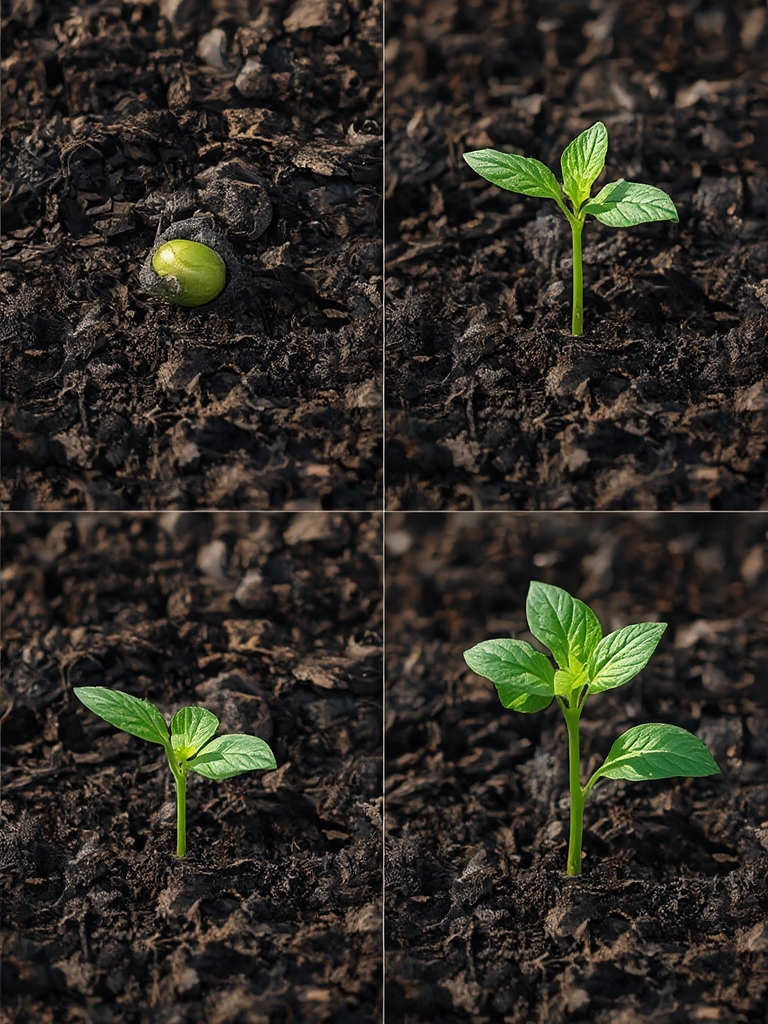
Fall is prime collection time when deciduous trees shed their leaves. The decomposition process varies depending on your method:
- Fast method (shredded leaves): 3-6 months
- Traditional method (whole leaves): 1-2 years for complete breakdown
- Leaf mold (highly decomposed): 2-3 years for premium quality
Start collecting in autumn for use the following growing season. For continuous supply, establish a rotation system with multiple piles at different decomposition stages.
Step-by-Step Instructions
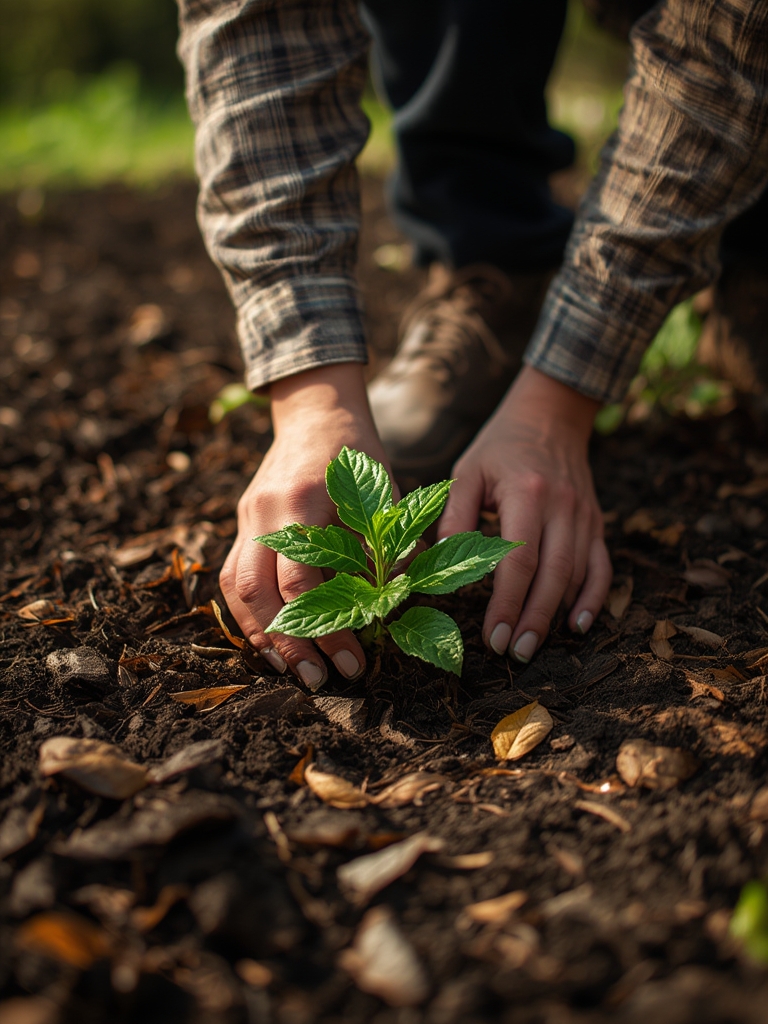
Collect fallen leaves: Rake or vacuum leaves when they’re dry. Avoid collecting leaves from roadsides which may contain pollutants.
Shred the leaves: Running leaves through a shredder or lawn mower accelerates decomposition. Aim for pieces smaller than one inch—the smaller, the faster they’ll break down.
Create your pile: Choose a location that’s convenient but somewhat sheltered. Layer your Leaf Mulch pile about 3-4 feet high and wide.
Maintain moisture: Your leaf pile should feel like a wrung-out sponge—damp but not soggy. Water during dry periods to maintain consistent moisture.
Turn regularly: Every 2-4 weeks, use a garden fork to turn the pile, bringing outside materials to the center. This introduces oxygen and speeds decomposition.
Add nitrogen (optional): Mix in Garden Mulch accelerators like grass clippings or coffee grounds to boost the decomposition process.
Apply when ready: Use partially decomposed mulch as a top dressing around plants (2-3 inches deep), keeping it away from direct contact with stems.
Benefits / Advantages
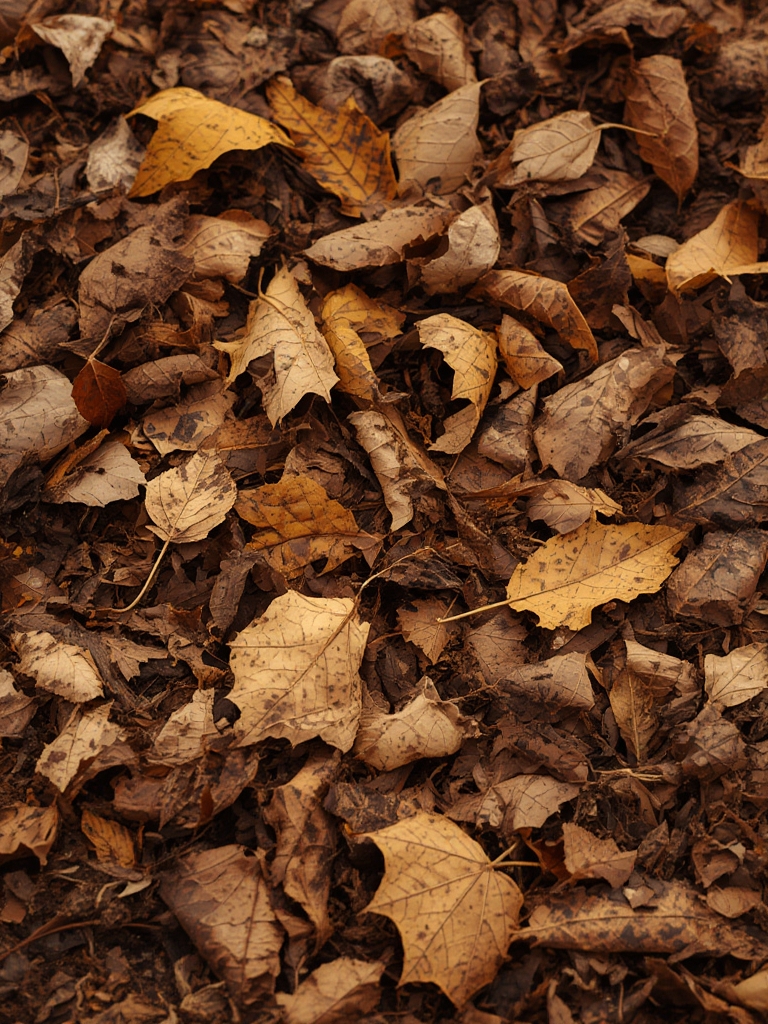
- Improves soil structure and fertility as it breaks down
- Conserves soil moisture, reducing watering needs by up to 30%
- Moderates soil temperature fluctuations
- Suppresses weeds naturally
- Provides habitat for beneficial organisms like earthworms
- Creates a sustainable, zero-cost gardening resource
- Reduces landfill waste and carbon footprint
- Adds organic matter to soil, improving drainage in clay soils
- Prevents soil compaction and erosion
Tips, Alternative Methods, or Gardening Advice
For faster decomposition, use a dedicated compost tumbler for leaves. Line garden paths with leaf mulch to create attractive, weed-free walkways. For container gardening, mix fully decomposed leaf mold with potting soil at a 1:3 ratio for excellent moisture retention. In drought-prone areas, increase mulch depth to 4 inches to maximize water conservation.
Seasonal consideration: Apply fresh leaf mulch in fall around perennials and shrubs for winter protection, then top with partially decomposed mulch in spring for weed suppression.
Common Mistakes to Avoid
- Using unshredded leaves which can mat together, creating a water-repellent barrier
- Applying too thick a layer (over 4 inches) which can prevent water penetration
- Piling mulch against plant stems or tree trunks, which encourages rot and pests
- Collecting diseased leaves which can spread problems to healthy plants
- Forgetting to maintain moisture in the decomposition pile
- Including walnut leaves in mulch for vegetable gardens (they contain growth inhibitors)
Maintenance Tips
Store excess leaf mulch in a dry, covered location to prevent nutrient leaching. For ongoing leaf mulch care, check moisture levels weekly during dry periods and add water if needed. In spring, pull back mulch slightly from emerging perennials to allow soil to warm more quickly. Replenish mulch layers annually as they decompose into the soil, adding approximately 1-2 inches of fresh material.
Conclusion
Creating your own Leaf Mulch transforms a common yard “waste” into a valuable gardening resource that improves soil health while reducing maintenance. The process connects gardeners to natural cycles and provides sustainable solutions for garden care. By following these steps, you’ll produce nutrient-rich Garden Mulch that benefits your plants, soil, and wallet. Start your leaf mulch system this season and share your experiences with fellow gardeners—nature’s recycling system is truly the gift that keeps on giving.
FAQs
Can I use pine needles in my leaf mulch?
Yes, but limit them to 10-20% of your pile as they decompose more slowly and create more acidic mulch, making them ideal for acid-loving plants like azaleas and blueberries.
How do I know when my leaf mulch is ready to use?
Partially decomposed mulch (6-12 months old) should be dark brown, fragrant, and still recognizable as shredded leaves. Fully decomposed leaf mold (1-2 years) will be black, crumbly, and smell earthy.
Can I use leaf mulch in my vegetable garden?
Absolutely! Leaf mulch is excellent for vegetable gardens, suppressing weeds and retaining moisture. Use partially decomposed mulch between rows and fully decomposed leaf mold in planting holes.
Will leaf mulch attract pests to my garden?
Properly maintained leaf mulch rarely attracts pests. Keep the mulch several inches away from building foundations and plant stems to discourage rodents or insects from nesting.
How much area will one bag of collected leaves cover?
One standard yard waste bag of shredded leaves can cover approximately 15-20 square feet with a 2-inch layer of mulch once partially decomposed.