
7 Best Plants for Autumn Color
Have you been yearning to transform your garden into a mesmerizing tapestry of autumn hues? As the summer heat fades, nature prepares for its most spectacular color display. Best Plants for Autumn Color can turn your outdoor space into a breathtaking seasonal showcase that neighbors will envy.
Table of Contents
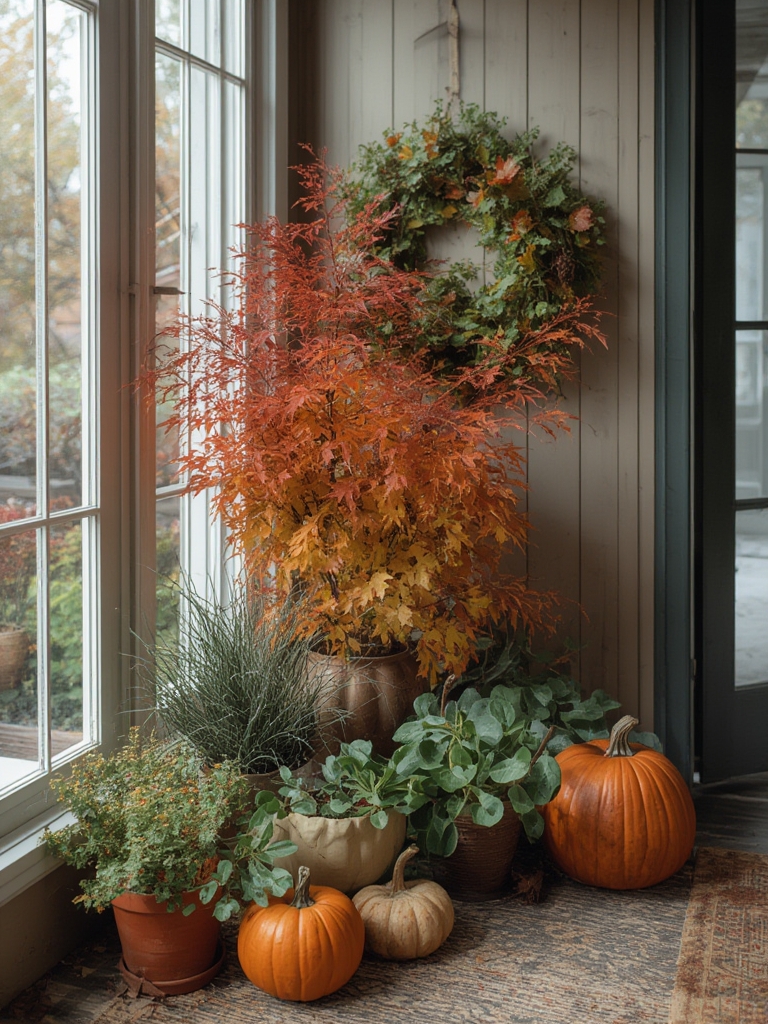
Creating your personal fall paradise isn’t complicated when you select the right plants. From the fiery oranges of maple trees to the deep purples of autumn asters, these seasonal stunners can elevate any landscape. Including Fall Foliage Trees in your garden design ensures months of visual interest as temperatures drop.
Materials & Supplies
- Quality Nursery Plants: Select healthy specimens with established root systems
- Compost or Organic Matter: For soil amendment (2-3 cubic feet per planting area)
- Mulch: 2-3 inches of bark mulch or leaf compost
- Garden Spade and Fork: For digging and soil preparation
- Pruners: For trimming and maintenance
- Garden Gloves: To protect hands during planting
- Watering Can or Hose: With spray attachment for gentle watering
- pH Testing Kit: To ensure proper soil acidity for specific plants
- Slow-Release Fertilizer: Appropriate for woody plants and perennials
- Plant Labels: To identify varieties throughout the garden
Timing / Growing Schedule
For maximum autumn impact, most deciduous trees and shrubs should be planted in early spring or fall when temperatures are moderate (40-75°F). Fall-planted specimens establish roots through winter, giving them a head start for spring growth. Allow 2-3 years for newly planted trees to develop their full autumn color potential, while most shrubs will display impressive color in their second season.
Step-by-Step Instructions
Select Your Location: Choose a spot with good drainage and appropriate sunlight for your chosen Best Plants for Autumn Color. Most require at least 6 hours of sunlight for optimal foliage color.
Test and Prepare Soil: Test pH levels (most fall plants prefer slightly acidic soil) and amend with compost. For Fall Foliage Trees, create a planting hole twice the width of the root ball.
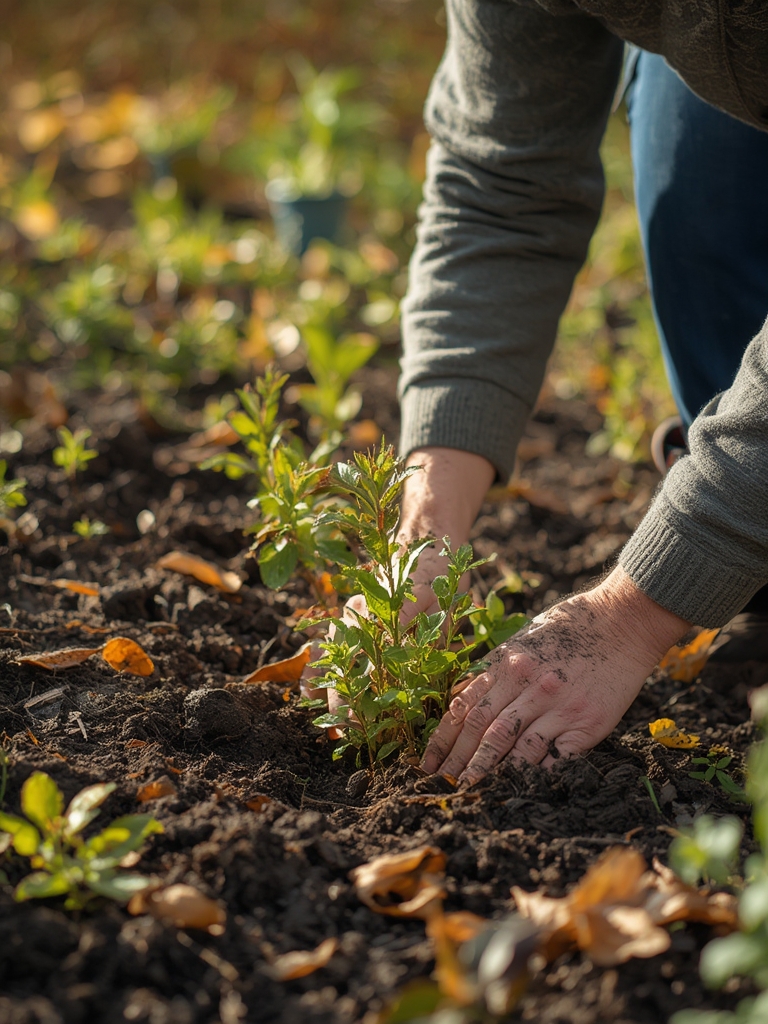
Plant Properly: Position plants at their original growing depth, backfill with amended soil, and water thoroughly to eliminate air pockets.
Apply Mulch: Add 2-3 inches around plants, keeping mulch away from trunks and stems to prevent rot.
Establish Watering Schedule: Provide deep, infrequent watering (about 1 inch per week) until plants are established.
Benefits / Advantages
- Extended Garden Interest: Colorful foliage extends the garden’s visual appeal beyond summer blooms
- Wildlife Support: Berries and fruits provide essential food for birds and other wildlife preparing for winter
- Improved Property Value: Well-designed fall landscapes can increase home valuation by 5-11%
- Reduced Maintenance: Many fall-interest plants require less watering and care than summer flowering varieties
- Environmental Benefits: Deciduous trees provide summer shade and winter sun access, reducing energy costs
Tips, Alternative Methods, or Gardening Advice
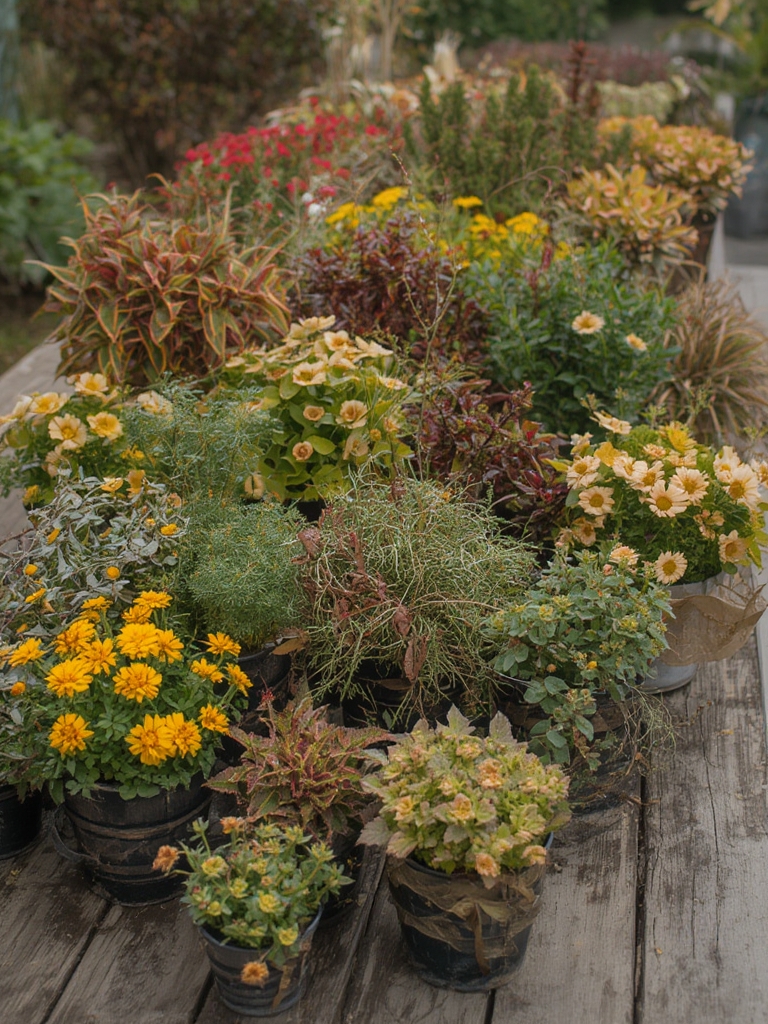
- Container Options: For small spaces, try dwarf varieties like ‘Little Henry’ sweetspire or Japanese maples in large containers
- Layered Planting: Create visual depth by combining tall trees, mid-height shrubs, and low-growing perennials
- Color Combinations: Plan complementary color schemes—pair golden foliage with purple asters or burgundy leaves with orange berries
- Microclimates: Use walls or structures to create sheltered spots that protect delicate fall bloomers from early frosts
Common Mistakes to Avoid
- Overcrowding: Allow sufficient spacing for mature growth—crowded plants compete for nutrients and display poor fall color
- Improper Pruning: Never prune fall-interest plants in late summer or early fall, as this removes branches that would display color
- Inconsistent Watering: Drought stress in late summer often results in early leaf drop before colors fully develop
- Excessive Fertilizing: Too much nitrogen promotes green growth at the expense of fall pigmentation
Maintenance Tips
- Seasonal Pruning: Prune spring-flowering shrubs immediately after blooming; summer bloomers in early spring
- Fall Cleanup: Remove fallen leaves from lawns, but consider leaving some under trees and shrubs as natural mulch
- Winter Protection: Apply winter mulch after the ground freezes to prevent frost heaving of newly planted specimens
- Spring Assessment: Evaluate performance each spring and relocate underperforming plants to more suitable locations
Conclusion
Creating a magnificent autumn landscape is a rewarding endeavor that pays dividends in visual splendor year after year. With the right selection of Best Plants for Autumn Color, your garden can become a seasonal showcase that evolves beautifully through the years. Remember that patience is key—many Fall Foliage Trees improve their display as they mature. Start your autumn garden journey today, and share your colorful creations with fellow gardening enthusiasts!
FAQs
Which trees develop the most reliable fall color?
Japanese maples, sugar maples, and sweetgum trees consistently produce spectacular autumn displays regardless of weather variations.
How can I improve my soil to enhance fall color?
Maintain slightly acidic soil (pH 5.5-6.5) for most fall-coloring plants, and avoid excessive nitrogen fertilization which can diminish color intensity.
Do fall-interest plants require special winter care?
Newly planted specimens benefit from winter mulch and wind protection, but established plants typically need minimal special treatment.
Can I grow fall color plants in shade?
While full sun produces the most vibrant colors, partial shade options include Virginia sweetspire, oakleaf hydrangea, and certain Japanese maple varieties.
When is the best time to plant for fall color?
Early spring and early fall are ideal planting times, allowing roots to establish before extreme temperatures arrive.