
5 Rosemary plant Gardening Tips
Have you ever wondered how to bring the aromatic essence of Mediterranean hillsides into your own garden? Growing a Rosemary plant at home offers not just a fragrant addition to your garden but also a versatile culinary herb that elevates countless dishes.
Table of Contents
The woody perennial isn’t just valued for its culinary applications; its essential oils have been prized for centuries. Many home gardeners extract rosemary essential oil for aromatherapy, natural cleaning products, and homemade skincare remedies. Let’s discover how you can successfully grow this Mediterranean marvel in your own space!
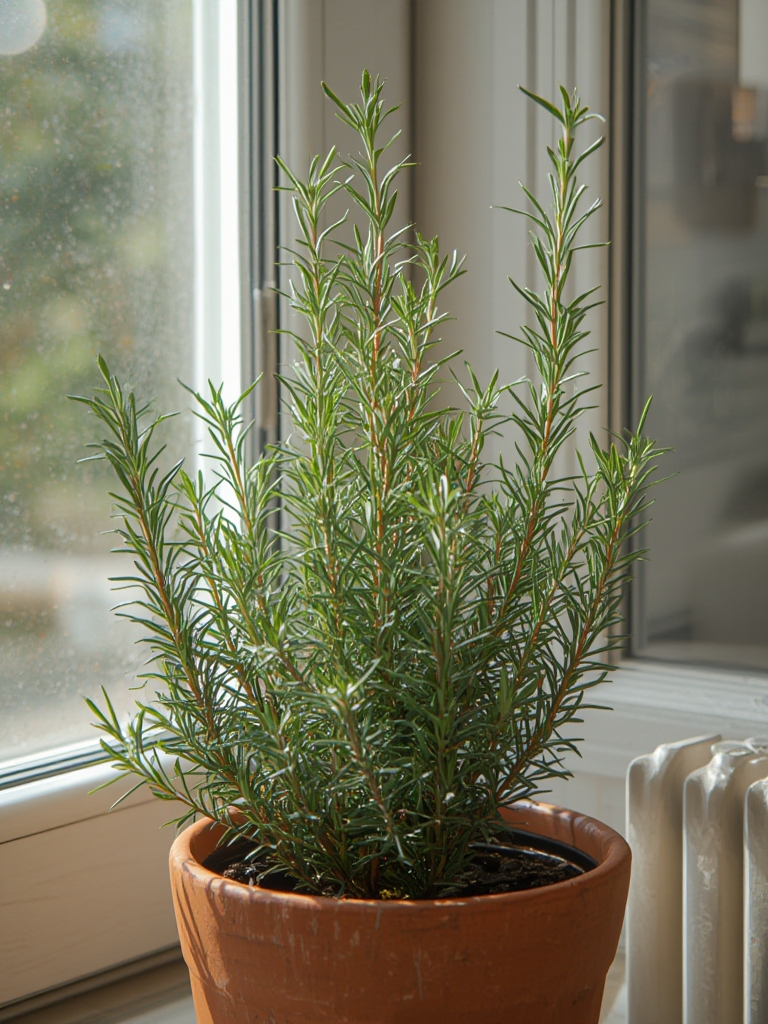
Materials & Supplies
To start your rosemary growing journey, you’ll need:
- Rosemary seedlings or cuttings (seeds have low germination rates)
- Well-draining potting mix or garden soil amended with sand
- Terracotta or clay pots (8-10 inches deep minimum) with drainage holes
- Organic slow-release fertilizer
- Pruning shears
- Full-spectrum grow light (for indoor growing)
- Watering can with narrow spout
- Spray bottle for misting
- Pebbles for drainage layer (optional)
- Plant labels
- Organic pest control spray
Timing / Growing Schedule
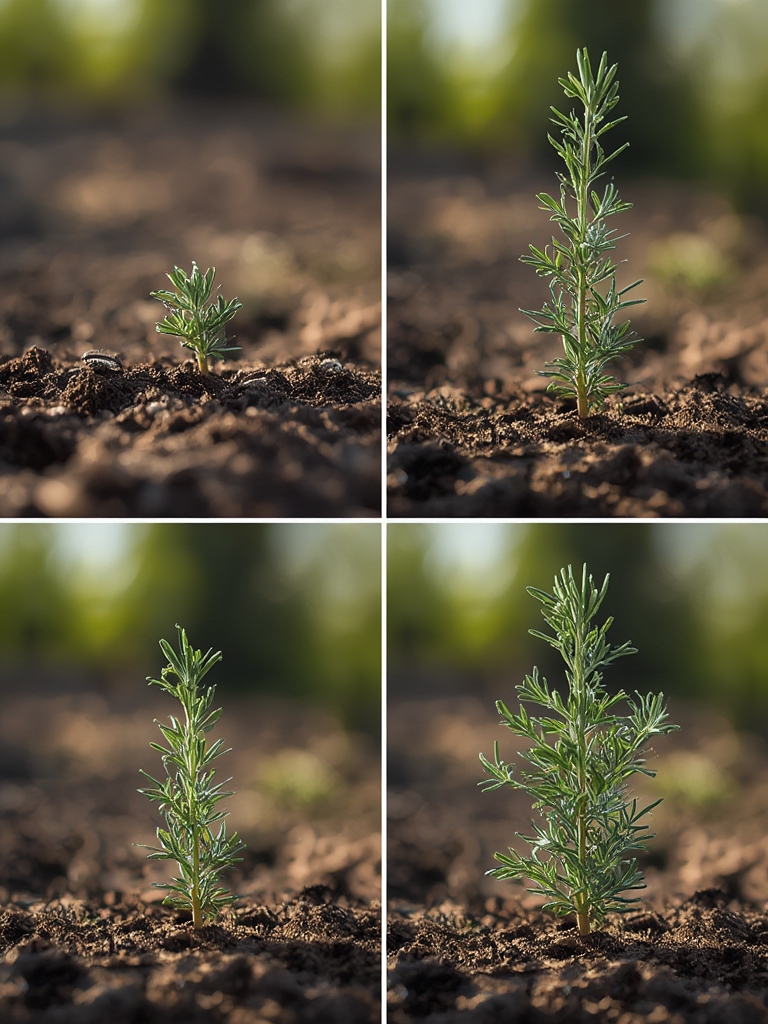
Rosemary is best started in spring when temperatures reach 60-70°F consistently. From planting to first harvest typically takes about 6-8 weeks. A mature rosemary plant produces harvestable sprigs year-round in warmer climates (zones 8-10), though growth slows during winter. In cooler regions, expect active growth from spring through fall.
Unlike annual herbs that complete their lifecycle in one season, rosemary is a perennial that can live for 15-20 years with proper care. Plan for 2-3 years to develop a fully mature, bush-sized plant.
Step-by-Step Instructions
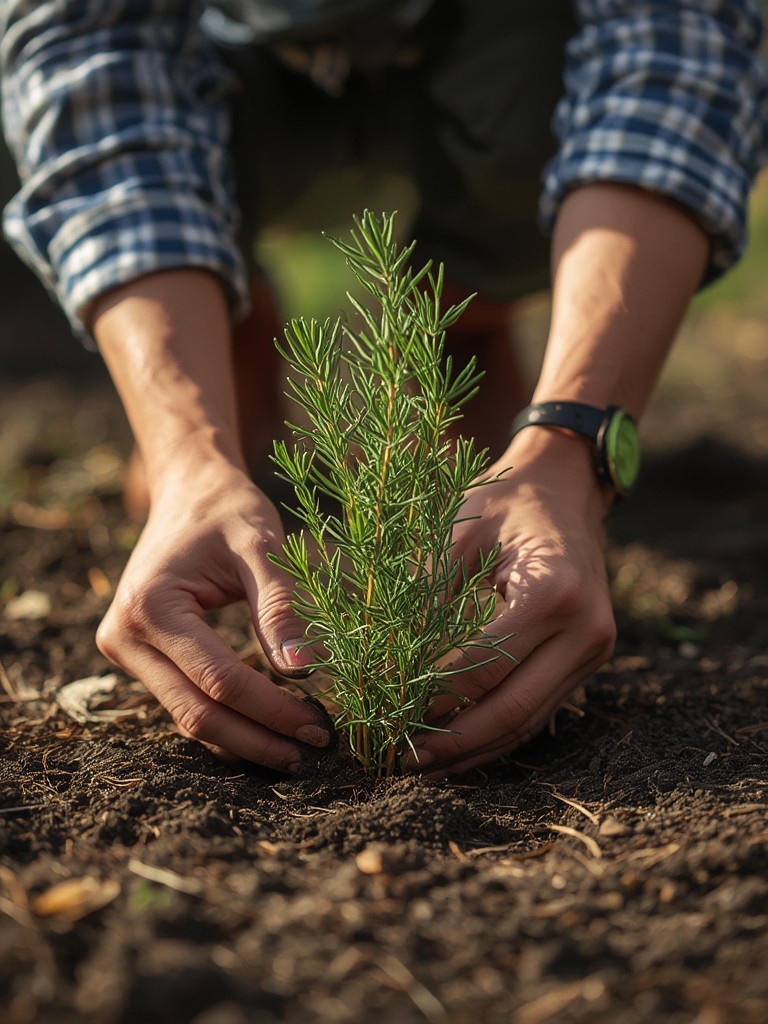
Choose the right location: Select a spot with 6-8 hours of direct sunlight daily. A south-facing window or garden area works best.
Prepare the container or soil: Fill your pot with well-draining soil mix. For garden planting, amend heavy soil with sand and compost to improve drainage.
Plant properly: Set your Rosemary plant at the same depth it was in its nursery container. Space plants 2-3 feet apart if planting multiple specimens.
Watering regime: Water thoroughly but infrequently. Allow the top inch of soil to dry completely between waterings.
Fertilize sparingly: Apply a light dose of balanced organic fertilizer in spring
Harvest correctly: Wait until the plant is at least 6 inches tall before harvesting. Cut stems in the morning when rosemary essential oil content is highest.
Benefits / Advantages
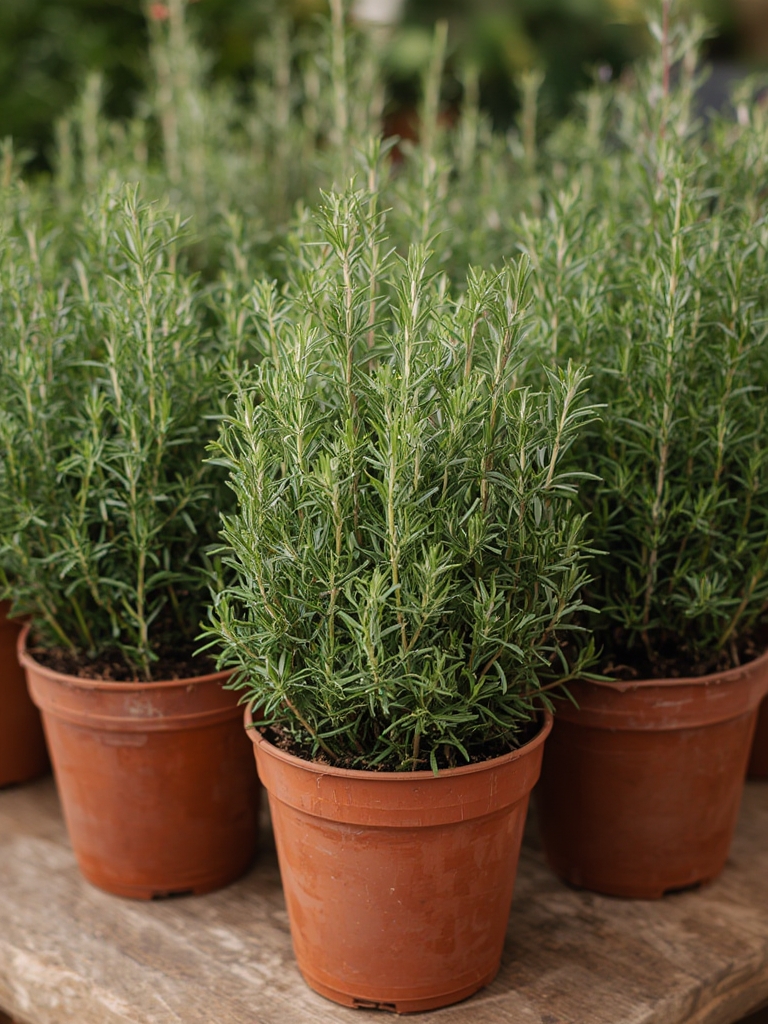
- Culinary versatility: Enhances meats, vegetables, breads, and oils
- Medicinal properties: Contains antioxidants and anti-inflammatory compounds
- Aromatherapy benefits: Improves concentration and memory
- Natural pest repellent: Deters mosquitoes, cabbage moths, and carrot flies
- Drought tolerance: Requires minimal watering once established
- Pollinator friendly: Attracts beneficial bees and butterflies
- Year-round interest: Provides evergreen foliage and spring/summer blooms
Tips, Alternative Methods, or Gardening Advice
For container growing, choose terracotta pots which allow soil to breathe. In humid climates, increase air circulation around plants to prevent fungal issues. In cold regions (zones 6 and below), grow rosemary as a potted plant that can be brought indoors during winter.
Try growing prostrate varieties as ground cover on slopes, or upright types as hedging. For indoor growing, supplement natural light with grow lights during darker months and place on pebble trays to increase humidity.
Common Mistakes to Avoid
- Overwatering: Rosemary has evolved in dry Mediterranean conditions and hates wet feet.
- Poor drainage: Never leave rosemary sitting in water; ensure containers have drainage holes.
- Overfertilizing: Too much nitrogen creates weak, floppy growth with less essential oil content.
- Insufficient light: Without adequate sun, plants become leggy and less flavorful.
- Overcrowding: Rosemary needs air circulation to prevent powdery mildew.
Maintenance Tips
Prune regularly to maintain shape and encourage bushier growth. Remove any dead or yellowing branches immediately. In winter, reduce watering frequency but never let the plant completely dry out. Apply mulch outdoors to insulate roots in cooler climates, keeping it away from the stem to prevent rot.
Conclusion
Growing rosemary at home connects you to a herb with thousands of years of human history while providing a sustainable source for your cooking and wellness needs. The Rosemary plant rewards minimal effort with years of aromatic harvests and rosemary essential oil production possibilities. Start your rosemary journey today, and you’ll enjoy the benefits for years to come. Share your rosemary growing experiences in the comments, and let us know how you use this versatile herb!
FAQs
Can rosemary be grown from seed?
Yes, but germination rates are low (30%) and growth is slow. Starting from cuttings or purchasing young plants gives faster, more reliable results.
How often should I water my rosemary?
Water when the top 1-2 inches of soil feels completely dry. In containers, this might be weekly in summer and bi-weekly in winter.
Why is my rosemary turning brown?
Browning often indicates overwatering, poor drainage, or fungal issues. Ensure proper airflow, reduce watering, and check for root rot if symptoms persist.
Can I grow rosemary indoors year-round?
Yes, with bright light (6+ hours daily), good air circulation, and proper humidity levels. Use a south-facing window or supplement with grow lights.
When is the best time to harvest rosemary?
Harvest in the morning after dew has dried but before the heat of the day, when oil concentration is highest. Never remove more than one-third of the plant at once.